South Dakota's SR-22 requirement covers liability only — dropping collision and comprehensive after your DUI conviction is legal and can cut your premium 40-60%, but you'll need to understand lien holder rules and gap coverage first.
South Dakota SR-22 Filing Requires Only Liability Coverage
South Dakota law requires SR-22 filers to maintain minimum liability coverage of 25/50/25 — $25,000 bodily injury per person, $50,000 per accident, and $25,000 property damage. The state does not require collision or comprehensive coverage to satisfy your SR-22 filing, even after a DUI conviction. You can legally drop full coverage and still meet DMV reinstatement requirements.
This creates a real cost reduction opportunity for South Dakota DUI drivers facing premium increases of 80-150% after conviction. A liability-only SR-22 policy typically costs $95-$180/mo for a first-offense DUI in South Dakota, compared to $240-$420/mo for full coverage with the same violation. Dropping to liability-only cuts your premium roughly in half.
The SR-22 filing itself is a certificate your insurance carrier submits to the South Dakota DMV confirming you carry continuous coverage at state minimum limits. The filing doesn't mandate coverage type — only that you maintain uninterrupted liability insurance for your entire filing period, typically 3 years from conviction date in South Dakota for DUI.
When You Cannot Drop Full Coverage Despite SR-22 Rules
If you finance or lease your vehicle, your lien holder requires collision and comprehensive coverage until the loan is paid off. This is a contract requirement separate from state SR-22 rules. Your lender will force-place coverage at 2-3 times normal cost if you drop it without paying off the loan, and that force-placed policy will not include SR-22 filing.
South Dakota allows only registered vehicle owners to file SR-22, so if your lender repossesses your vehicle due to coverage cancellation, you lose your ability to maintain the SR-22 filing. A lapse of even one day resets your 3-year filing period to zero. Dropping full coverage while carrying a lien creates a compliance failure that extends your SR-22 requirement.
If you own your vehicle outright, no lien holder contract applies. You can drop to liability-only SR-22 immediately after conviction with no legal or compliance consequence in South Dakota.
Find out exactly how long SR-22 is required in your state
Rate Reality for Liability-Only SR-22 After DUI in South Dakota
First-offense DUI drivers in South Dakota pay $95-$180/mo for liability-only SR-22 coverage at state minimum limits through non-standard carriers. Bristol West, Dairyland, GAINSCO, and Direct Auto write new DUI policies in South Dakota and file SR-22 directly with the state. Progressive and The General also accept DUI applicants but availability varies by county.
Full coverage SR-22 with collision and comprehensive adds $120-$240/mo to that base, depending on vehicle value and deductible selection. Older vehicles with low market value under $5,000 produce minimal collision/comprehensive payout potential, making full coverage a poor actuarial trade for many DUI drivers paying elevated base rates.
Aggravated DUI or repeat-offense conviction adds 20-40% to these ranges. Repeat-offense DUI drivers in South Dakota typically pay $140-$260/mo for liability-only SR-22 and $310-$520/mo for full coverage. The liability-only discount remains consistent across conviction classes.
Estimates based on available industry data; individual rates vary by age, vehicle, exact BAC, and county.
Gap Coverage Risk When You Drop Collision and Comprehensive
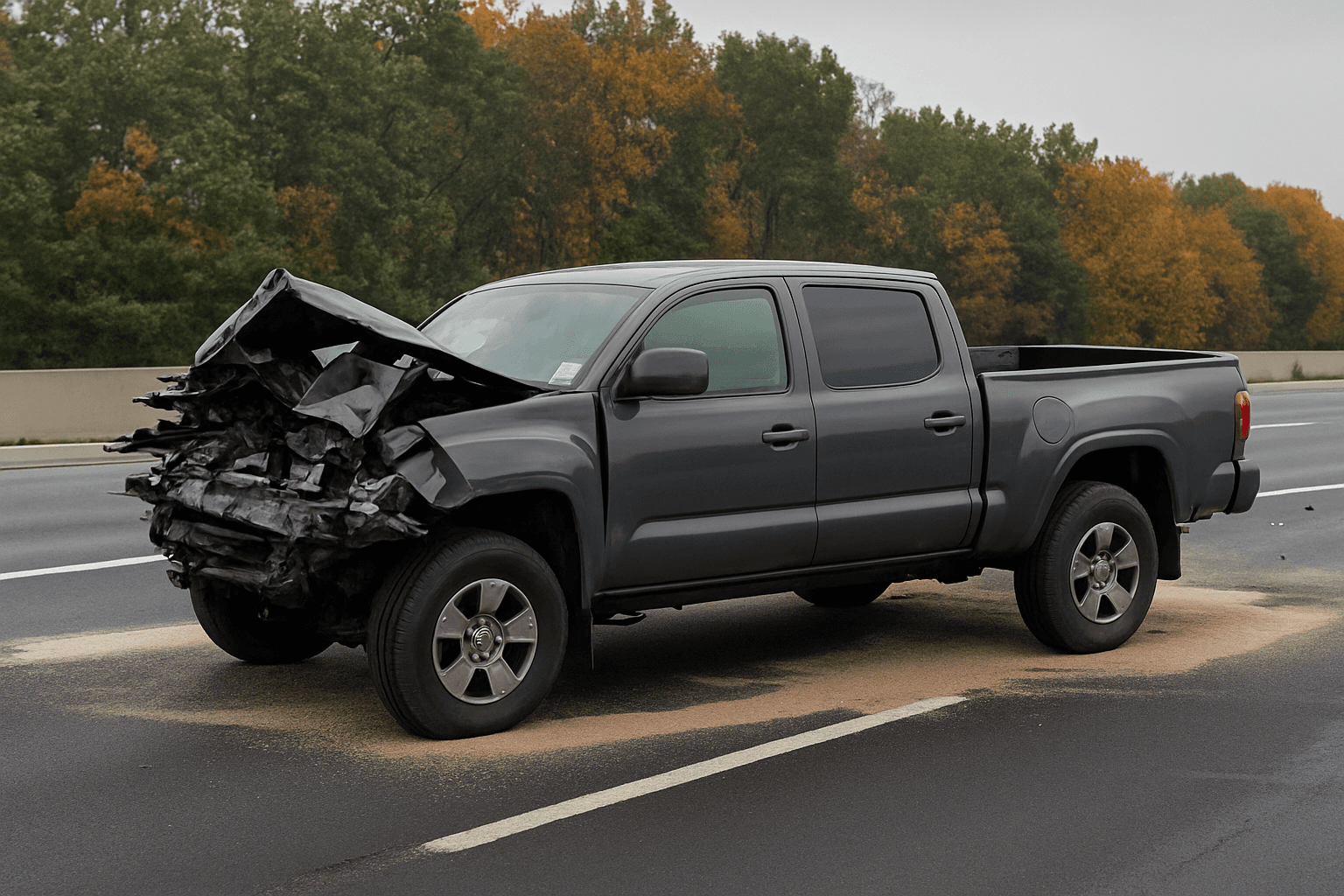
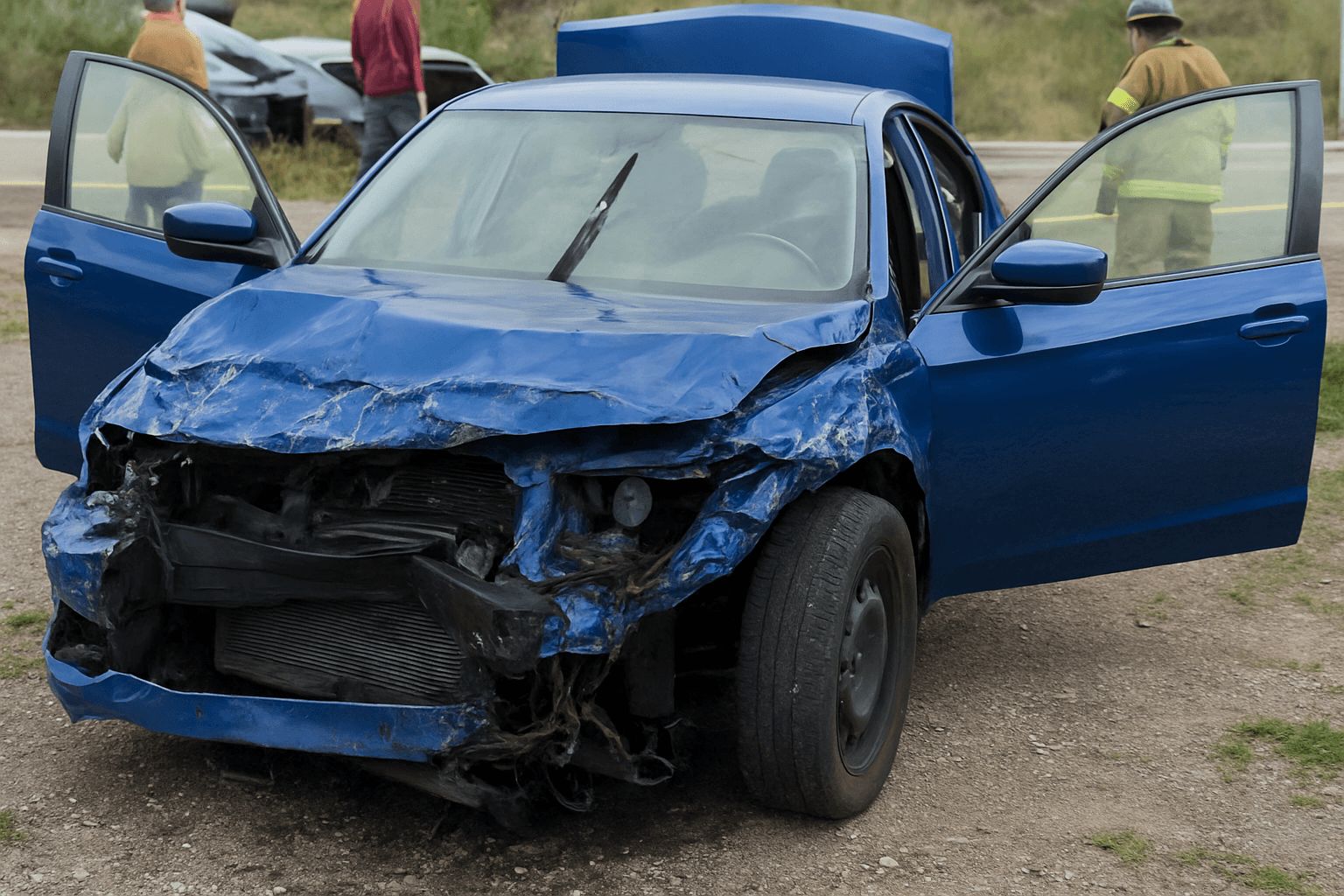
Dropping to liability-only means you carry zero coverage for damage to your own vehicle. If you cause an accident, total your vehicle in a single-car crash, or sustain damage from weather, theft, or vandalism, you pay 100% of repair or replacement cost out of pocket. Collision covers at-fault crashes; comprehensive covers non-collision events like hail, fire, and theft.
South Dakota DUI drivers often face a trade-off between affordable SR-22 premiums and vehicle replacement risk. If your vehicle's market value is under $3,000 and you can absorb total loss without financing a replacement, dropping full coverage reduces wasted premium. If your vehicle is worth $12,000 and represents your only transportation to work or DUI education classes, liability-only creates real financial exposure.
Uninsured motorist coverage is not required for SR-22 filing in South Dakota but protects you when an at-fault driver has no insurance. South Dakota allows you to reject UM coverage in writing, but most DUI drivers benefit from keeping it — a $25-$45/mo cost that covers your medical bills and vehicle damage when the other driver is uninsured or underinsured.
How to Switch from Full Coverage to Liability-Only SR-22
Contact your current carrier and request removal of collision and comprehensive coverage while maintaining continuous SR-22 filing. Most non-standard carriers process this change within 24-48 hours and issue a revised SR-22 to the South Dakota DMV confirming your ongoing compliance at liability-only limits. Your filing period does not reset when you reduce coverage, only when you cancel the policy entirely.
If your current carrier cannot offer competitive liability-only rates, shop before canceling. Request quotes from at least three non-standard carriers that file SR-22 in South Dakota, confirm the new policy start date, then cancel your full coverage policy effective the same day the new policy begins. A gap of even one day between policies triggers an SR-22 lapse notice to the DMV and resets your 3-year filing clock.
Verify your new carrier has submitted the SR-22 to the South Dakota DMV within 5 business days. Call the DMV licensing office at 605-773-6883 or check your online driver record to confirm filing receipt. Most SR-22 lapses after DUI result from carrier filing delays or miscommunication during the policy switch, not intentional cancellation.
South Dakota Filing Period and Compliance Timeline
South Dakota requires 3 years of continuous SR-22 filing from your DUI conviction date for first-offense standard DUI. Aggravated DUI or repeat-offense conviction may extend this to 5 years depending on sentencing. Your court order or DMV reinstatement letter specifies your exact filing period — verify before assuming a 3-year clock.
Your SR-22 filing period begins the day your carrier submits the certificate to the DMV, not the day you purchase the policy. If you wait 60 days after conviction to buy coverage and file SR-22, your 3-year clock starts 60 days late. Most South Dakota DUI drivers file SR-22 within 30 days of conviction to avoid extending their compliance timeline.
The DMV does not send a notice when your SR-22 period ends. Track your end date independently and confirm with the DMV 30 days before expiration that no additional filing time was added due to lapse, suspension, or court modification. Drivers who assume their filing ended and cancel coverage early face immediate license re-suspension and a new 3-year filing requirement.