You can legally drop collision and comprehensive to lower your premium after a Colorado DUI, but most lenders won't allow it if you're still financing. Here's what actually happens when you try.
Colorado SR-22 Filing Requires Only Liability Coverage, Not Full Coverage
Colorado law requires SR-22 proof of financial responsibility after a DUI, but the state mandates only liability coverage minimums: 25/50/15 bodily injury and property damage limits. You are not required to carry collision or comprehensive coverage to satisfy your SR-22 filing obligation. The SR-22 filing itself costs $15–$25 through most carriers and attaches to whatever policy you maintain.
If you own your vehicle outright with no loan or lease, you can legally drop to liability-only coverage and still meet your SR-22 requirement. The filing tracks your liability coverage, not your physical damage coverage. Colorado DMV does not mandate full coverage for DUI offenders.
Most drivers assume SR-22 means full coverage because carriers often recommend it or because their loan contract requires it. The state filing requirement and your lender's contractual requirement are separate obligations with different rules.
Lenders Block Coverage Downgrades Until the Loan Is Paid Off
If you're financing or leasing your vehicle, your loan contract almost certainly requires comprehensive and collision coverage until the loan is satisfied. This is a contractual requirement between you and the lender, not a state SR-22 rule. Dropping to liability-only while carrying a loan violates your finance agreement and gives the lender the right to force-place coverage at a much higher cost or repossess the vehicle.
Force-placed insurance typically costs 2–3 times what you'd pay directly and covers only the lender's interest, not your liability or your ability to drive. The lender receives monthly insurance verification reports from carriers. If your collision or comprehensive coverage lapses, they know within 30 days.
Your only paths to dropping full coverage while financing: pay off the loan in full, refinance under terms that allow liability-only (rare and generally unavailable to recent DUI offenders), or surrender the vehicle. Most DUI-SR-22 drivers remain locked into full coverage premiums until the loan term ends.
Find out exactly how long SR-22 is required in your state
Liability-Only SR-22 Cuts Premiums by 40–60%, but Carrier Acceptance Varies Sharply
Dropping collision and comprehensive coverage after a Colorado DUI typically reduces your premium by $60–$110/month, depending on vehicle value and your rating tier. A driver paying $240/month for full coverage might pay $140–$160/month for liability-only SR-22. The reduction comes entirely from eliminating physical damage coverage; the SR-22 filing fee and DUI surcharge remain.
Carrier willingness to write liability-only policies for fresh DUI convictions varies. State Farm, Geico, and Allstate generally non-renew DUI customers at policy term and rarely write new liability-only SR-22 policies for recent convictions. Progressive and Nationwide may write liability-only SR-22 but assign you to high-risk tiers with compressed discount eligibility.
Non-standard carriers like Dairyland, The General, GAINSCO, and Bristol West routinely write liability-only SR-22 policies for DUI offenders and often quote 20–35% lower than mainstream carriers for the same coverage. These carriers expect DUI risk and price it into base rates rather than applying separate violation surcharges. If your current carrier won't write you liability-only or quotes liability-only at an inflated rate, you're likely overpaying by staying with them.
You Lose Collision Protection on a Financed Vehicle You Still Owe Thousands On
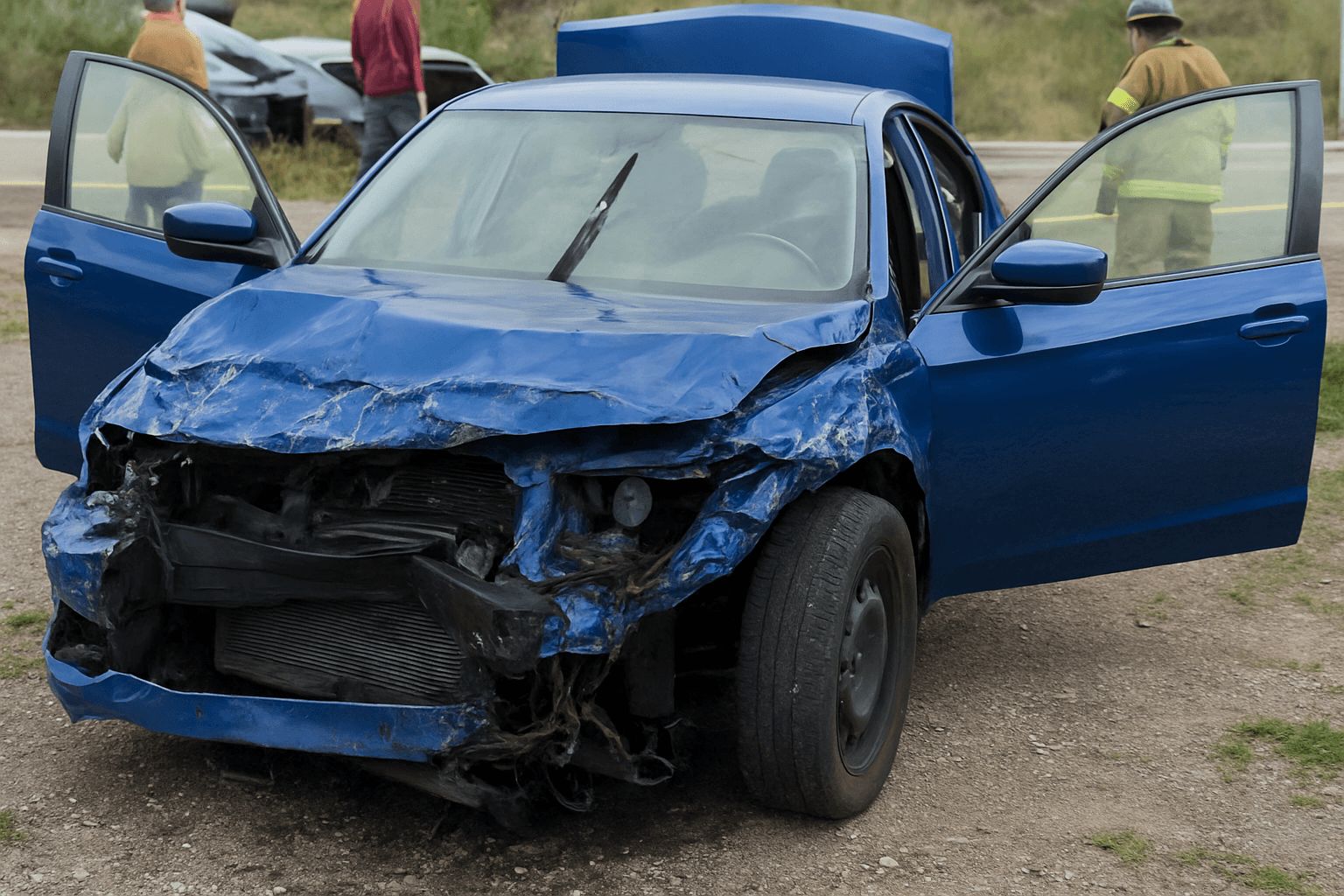
Even if you could legally drop full coverage, doing so on a financed vehicle leaves you personally responsible for all repair or replacement costs after an at-fault accident. If you owe $12,000 on a vehicle and total it in an at-fault crash, you owe the lender the full $12,000 even though the vehicle is gone. Liability coverage pays the other driver; it does not pay your loan.
Colorado uses a modified comparative negligence system, meaning you can be held liable for accident costs even if you're only partially at fault. A $6,000 repair bill on your vehicle after a 60% at-fault accident leaves you paying $3,600 out of pocket with no collision coverage. With collision coverage and a $500 deductible, you'd pay $500.
Gap insurance, if you carry it, covers the difference between your loan balance and the vehicle's actual cash value after a total loss — but only if you maintain full coverage. Dropping collision and comprehensive voids gap protection. Most DUI offenders financing a vehicle cannot afford the exposure of driving uninsured against their own loan balance.
Older Paid-Off Vehicles Make Liability-Only SR-22 the Correct Financial Move
If you own your vehicle outright and its market value is under $4,000, paying $600–$900/year for collision and comprehensive coverage rarely makes financial sense. Your maximum claim payout after a total loss equals the vehicle's actual cash value minus your deductible. A $3,200 vehicle with a $500 deductible pays a maximum of $2,700, and you've paid $750/year in premiums for that coverage.
Colorado DUI-SR-22 drivers with older paid-off vehicles should compare liability-only quotes from non-standard carriers immediately. A 2009 sedan valued at $2,800 does not justify $85/month in collision and comprehensive premiums when liability-only SR-22 quotes from Dairyland or Bristol West run $95–$125/month total.
Before dropping coverage, confirm you can afford to replace the vehicle out of pocket if it's totaled in an at-fault crash or stolen. If losing the vehicle means losing your ability to work or meet probation requirements, keep the coverage. If you have $3,500 in accessible savings and the vehicle is worth $2,200, drop to liability-only and bank the premium savings.
Your SR-22 Filing Period Starts Over If You Lapse Coverage for Any Reason
Colorado requires continuous SR-22 filing for the full duration of your requirement — typically 3 years from your DUI conviction reinstatement date for a first offense. If your policy lapses or cancels for non-payment, your carrier notifies the DMV within 10 days, your license suspends immediately, and your SR-22 filing period resets to zero in most cases.
Switching from full coverage to liability-only does not create a lapse if you execute the change correctly: secure the new liability-only SR-22 policy with a confirmed start date, then cancel your old full-coverage policy effective the same day the new policy begins. Any gap between cancellation and new coverage, even one day, triggers a suspension and restart.
Most DUI offenders who lapse coverage do so because they could not afford the premium after a rate increase or non-renewal. Dropping to liability-only before a lapse occurs is almost always preferable to letting full coverage cancel for non-payment. A $140/month liability-only payment you can sustain beats a $240/month full-coverage payment you'll miss in month four.