North Dakota requires liability coverage to file SR-22, but full coverage protects you differently after a DUI. Here's what changes your rate and what doesn't.
What North Dakota Actually Requires for SR-22 Filing
North Dakota requires 25/50/25 liability coverage to maintain valid SR-22 filing: $25,000 per person for bodily injury, $50,000 per accident for bodily injury, and $25,000 for property damage. Your SR-22 certificate confirms you carry at least these minimums. Adding collision or comprehensive coverage does not change your filing status, does not shorten your required filing period, and does not influence the DMV's reinstatement decision.
The 3-year SR-22 requirement after DUI in North Dakota starts from your license reinstatement date, not your conviction date or the day you first file SR-22. If you let coverage lapse even one day during that period, your carrier files an SR-26 cancellation notice with the DMV, your license suspends again, and the 3-year clock resets to zero from your next reinstatement.
Carriers price your DUI conviction into the liability premium whether you buy liability-only or full coverage. The DUI surcharge applies to your base rate calculation, typically increasing premiums 80–140% compared to your pre-conviction rate. Full coverage adds collision and comprehensive on top of that surcharged liability rate — it does not replace it or reduce the DUI impact.
When Liability-Only Makes Sense After a DUI
Liability-only SR-22 works if you own your vehicle outright, drive an older car with low replacement value, and need to minimize monthly insurance costs during your filing period. North Dakota non-standard carriers writing DUI-SR-22 policies — Bristol West, Dairyland, GAINSCO, The General — quote liability-only policies starting around $110–$190/mo after DUI, compared to $220–$380/mo for full coverage on the same driver and vehicle.
You absorb all repair or replacement costs if you cause an accident or your car is damaged by weather, theft, or vandalism under a liability-only policy. If your vehicle is worth less than $3,000 and you have savings to replace it if totaled, liability-only keeps your SR-22 active at the lowest possible cost. If losing the vehicle would eliminate your ability to commute to work or meet probation obligations, that calculation changes.
Most North Dakota drivers on liability-only SR-22 policies are managing stacked post-DUI costs: court fines, IID installation and monitoring fees, DUI education programs, reinstatement fees, and monthly SR-22 premiums. Choosing liability-only frees up $100–$200/mo compared to full coverage, but only if you can self-insure the vehicle replacement risk.
Find out exactly how long SR-22 is required in your state
When Full Coverage Is Required or Recommended
North Dakota lenders and lessors require collision and comprehensive coverage on any financed or leased vehicle regardless of your SR-22 status. Your loan or lease contract mandates coverage limits — typically $500 or $1,000 deductible max — and names the lienholder as loss payee. Dropping to liability-only violates your financing agreement, triggers a lender-placed insurance policy at 3–5 times your quoted rate, and can default your loan.
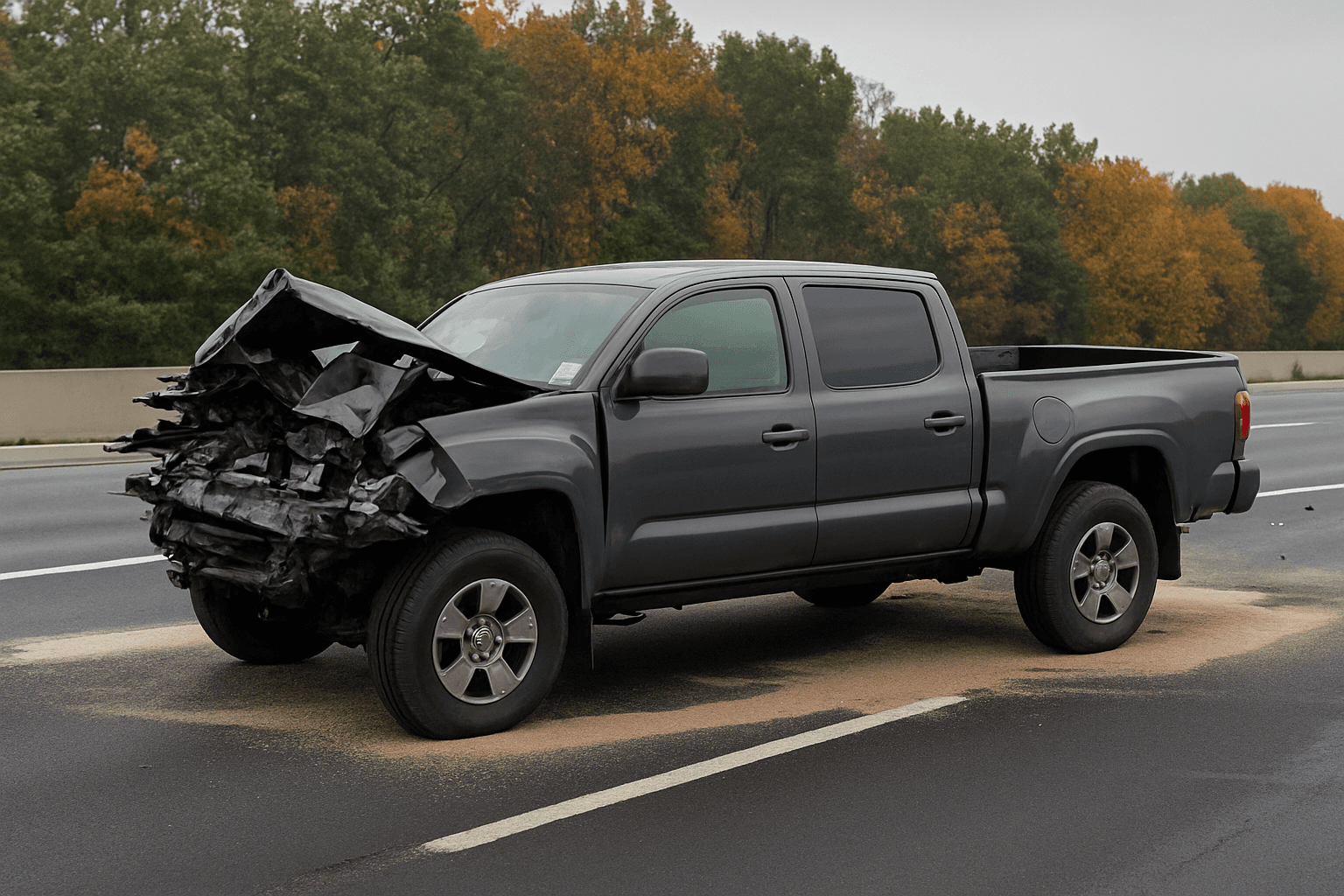
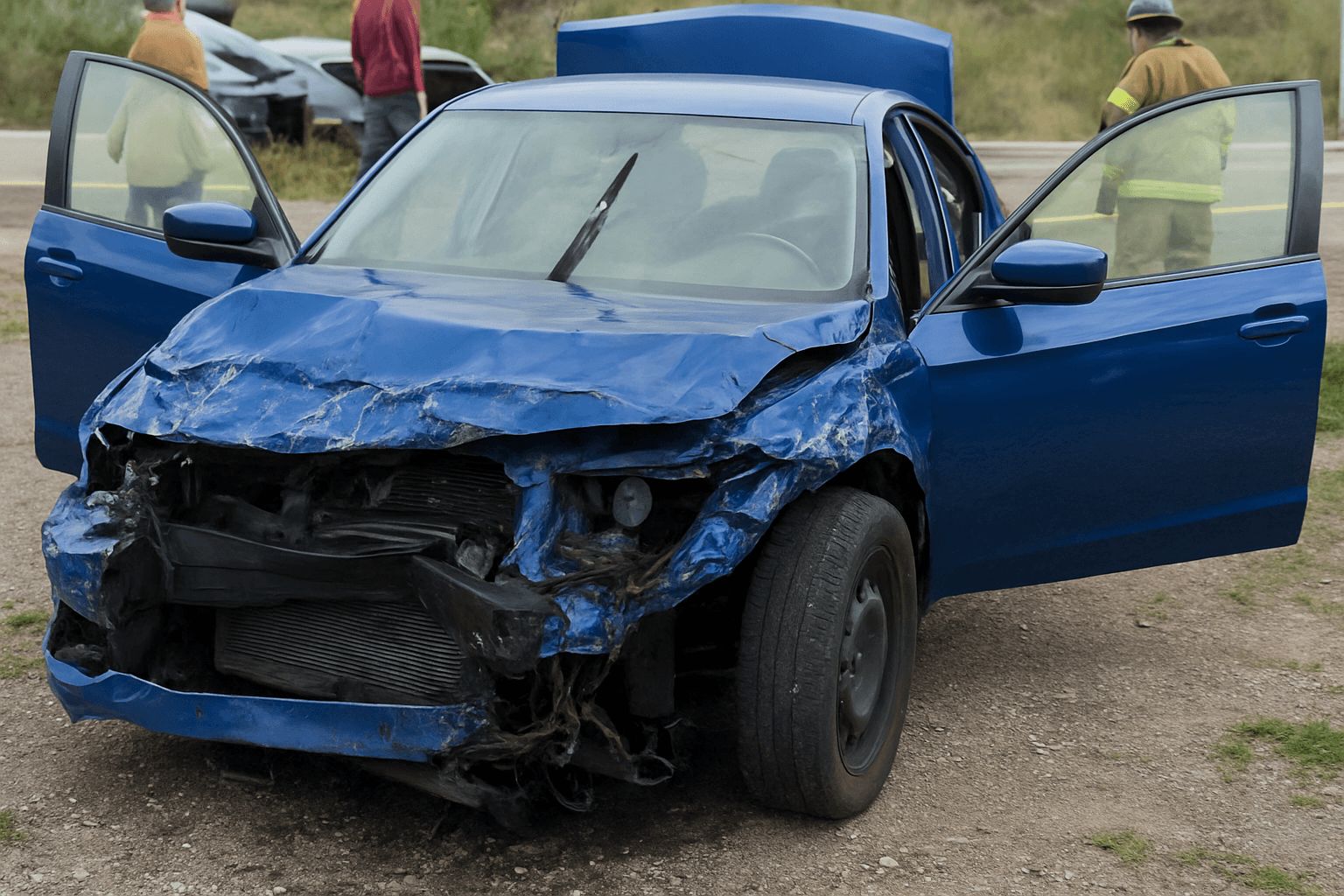
If you own a vehicle worth more than $5,000 and cannot afford to replace it out of pocket, full coverage protects that asset. A totaled vehicle during your SR-22 period creates a compounding problem: you lose transportation, you still owe SR-22 filing for the remaining period, and you need to secure another vehicle and insure it at post-DUI rates to avoid suspension. Full coverage pays actual cash value minus your deductible if your car is totaled or stolen, keeping you mobile through your filing period.
North Dakota allows you to switch from full coverage to liability-only mid-policy as long as you satisfy any loan obligation first. Your carrier files an SR-22 amendment reflecting the coverage change, but your filing remains active and continuous. Switching does not restart your 3-year clock or require DMV approval — it only changes what your policy covers.
How Coverage Choice Affects Your Premium
Your DUI conviction surcharges the liability portion of your premium first. North Dakota non-standard carriers calculate your post-DUI liability rate, then add collision and comprehensive as separate line items if you select full coverage. A driver paying $85/mo for liability before DUI typically pays $145–$240/mo for liability-only SR-22 after DUI, then adds $75–$140/mo for collision and comprehensive if they choose full coverage.
Collision coverage cost depends on your vehicle's actual cash value, your selected deductible, and your at-fault accident history. Comprehensive cost depends on theft rates in your zip code, weather risk, and your vehicle's replacement cost. Both coverages require underwriting after a DUI, and some non-standard carriers cap vehicle value or require higher deductibles — $1,000 minimum is common — for DUI-SR-22 policies with full coverage.
Switching to liability-only after 12–18 months of filing can reduce your premium if your vehicle depreciates below the threshold where full coverage makes financial sense. Estimates based on available industry data; individual rates vary by driving history, vehicle, coverage selections, and location.
What Happens If You Change Coverage Mid-Filing
You can add or drop collision and comprehensive coverage anytime during your SR-22 period without affecting your filing status. Your carrier files an SR-22 amendment with the North Dakota DMV showing your current liability limits remain compliant. The amendment does not reset your filing clock, does not trigger a new reinstatement process, and does not require you to notify the DMV separately.
Dropping below 25/50/25 liability limits at any point during your filing period triggers an SR-26 cancellation, suspends your license, and resets your 3-year requirement from zero. Collision and comprehensive are optional coverages under North Dakota law — your SR-22 tracks liability only. As long as liability stays active and compliant, you control whether to carry full coverage based on loan requirements and replacement cost risk.
If you total your vehicle and carry only liability coverage, you lose the car but your SR-22 filing continues. You have two options: buy another vehicle and transfer your SR-22 policy to it within the grace period your carrier allows (typically 30 days), or switch to a non-owner SR-22 policy until you replace the vehicle. Non-owner SR-22 satisfies your filing requirement and keeps your license valid, but does not cover a vehicle you drive regularly.
Comparing Costs Over Your Full Filing Period
North Dakota's 3-year SR-22 requirement means you pay 36 months of premiums at post-DUI rates. A liability-only policy averaging $155/mo costs $5,580 over three years. A full coverage policy averaging $290/mo costs $10,440 over the same period — a $4,860 difference. That cost gap narrows if your vehicle depreciates significantly during year two or three and you drop to liability-only mid-filing.
Most North Dakota DUI-SR-22 drivers see rate reductions after 12 months of continuous filing if they avoid new violations or at-fault accidents. Non-standard carriers reward claim-free periods with 10–20% rate decreases at renewal, and some drivers qualify to move back to standard carriers after 24–36 months of clean SR-22 filing. Your coverage choice does not influence that timeline — your violation-free filing history does.
If you carry full coverage for all 36 months and your vehicle is worth under $4,000 by month 30, you paid collision and comprehensive premiums that exceed your car's replacement value. Running a cost-benefit comparison annually during your filing period identifies the point where liability-only makes more sense than continuing full coverage on a depreciating asset.