North Dakota only mandates liability during SR-22 filing. If you own your vehicle outright, dropping collision and comprehensive is legal — but lenders and lessors won't allow it until the loan is paid off.
What North Dakota Actually Requires During SR-22 Filing
North Dakota requires liability coverage only: 25/50/25 minimums. The SR-22 certificate proves you carry at least that much liability insurance continuously. Collision and comprehensive coverage are not part of the SR-22 requirement, and dropping them does not violate your filing obligation or trigger a DMV notification.
The confusion stems from how policies are sold. Most drivers leaving a DUI conviction are quoted "full coverage" packages because carriers assume financed vehicles. The SR-22 itself does not care whether you carry physical damage coverage. It certifies liability only.
If you own your vehicle outright and can absorb repair costs out-of-pocket, you can legally drop collision and comprehensive the day your SR-22 policy starts. Your insurer files the SR-22 based on your liability coverage alone.
When Your Lender Blocks the Change
If you financed or leased your vehicle, your loan contract requires collision and comprehensive until the balance is paid. This is a contractual obligation to the lender, not a state law. Dropping physical damage coverage while a lien exists puts you in breach of the loan agreement, which typically allows the lender to force-place its own coverage at a much higher cost and add that premium to your loan balance.
Your lender does not communicate with the North Dakota DMV about your SR-22 status, but it does monitor your insurance coverage through its own tracking systems. If your carrier notifies the lender that you dropped required coverages, the lender will act within 30 to 45 days.
The only way to drop collision and comprehensive on a financed vehicle is to pay off the loan in full or refinance under terms that don't require physical damage coverage — which most auto lenders will not offer for high-risk drivers.
Find out exactly how long SR-22 is required in your state
Rate Impact of Dropping Physical Damage Coverage
Collision and comprehensive represent 40 to 60 percent of total premium cost for most drivers. Dropping both can reduce monthly costs from $180–$310/mo for SR-22 full coverage down to $75–$140/mo for liability-only SR-22 in North Dakota. Estimates based on available industry data; individual rates vary by conviction class, age, vehicle, and ZIP code.
The savings are larger for older vehicles with low actual cash value. A 2010 sedan with $3,200 market value might carry $90/mo in collision and comprehensive premiums. If that vehicle is totaled, the payout after your deductible might be $2,400. You're paying $1,080/year to protect a diminishing asset.
Carriers writing SR-22 policies after DUI in North Dakota include Dairyland, GAINSCO, Bristol West, and The General. Not all offer liability-only SR-22 policies — some require at least state minimum comprehensive as a condition of writing high-risk business. Always confirm coverage options before assuming you can drop physical damage coverage.
What Happens If You Total an Uninsured Vehicle During SR-22 Filing
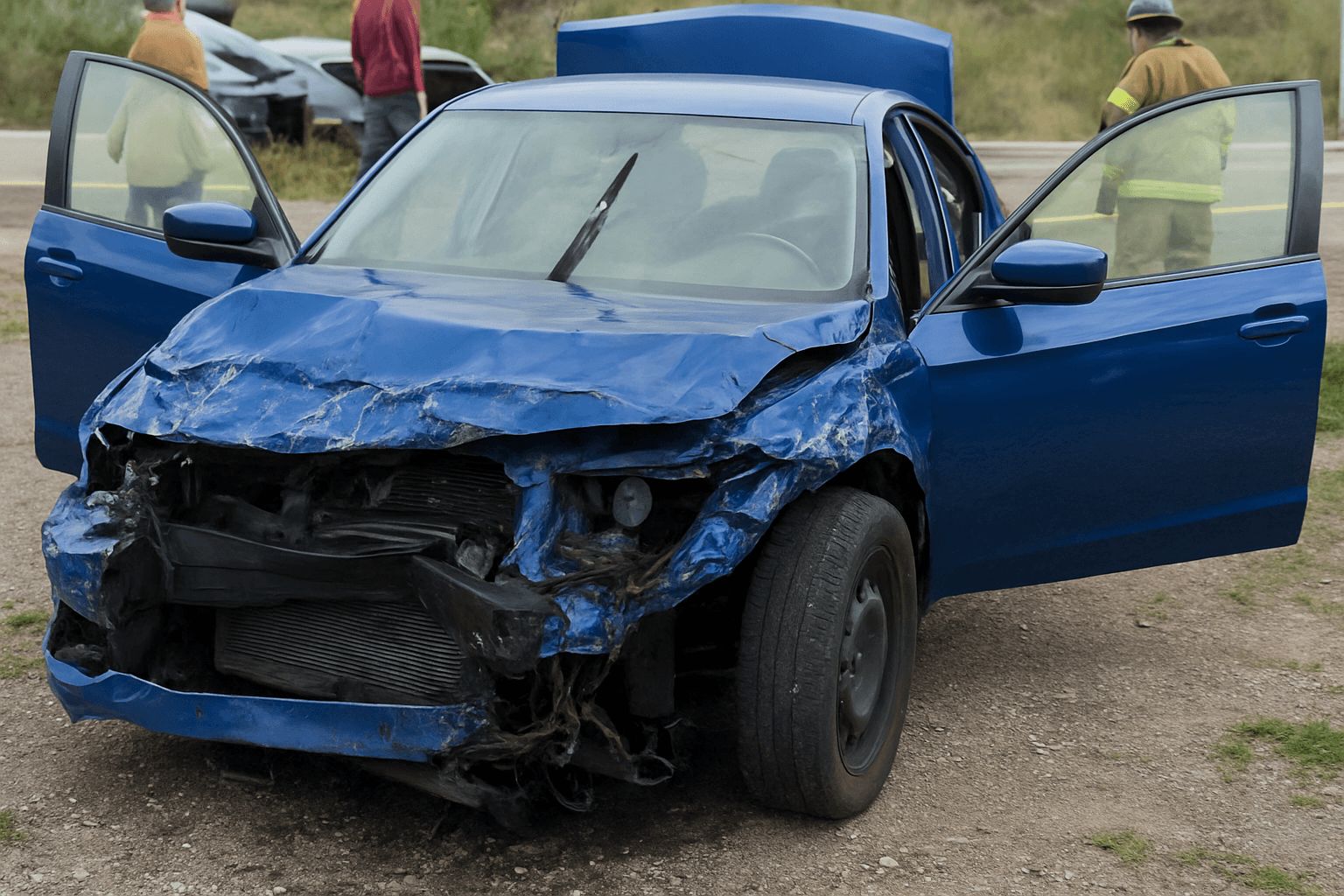
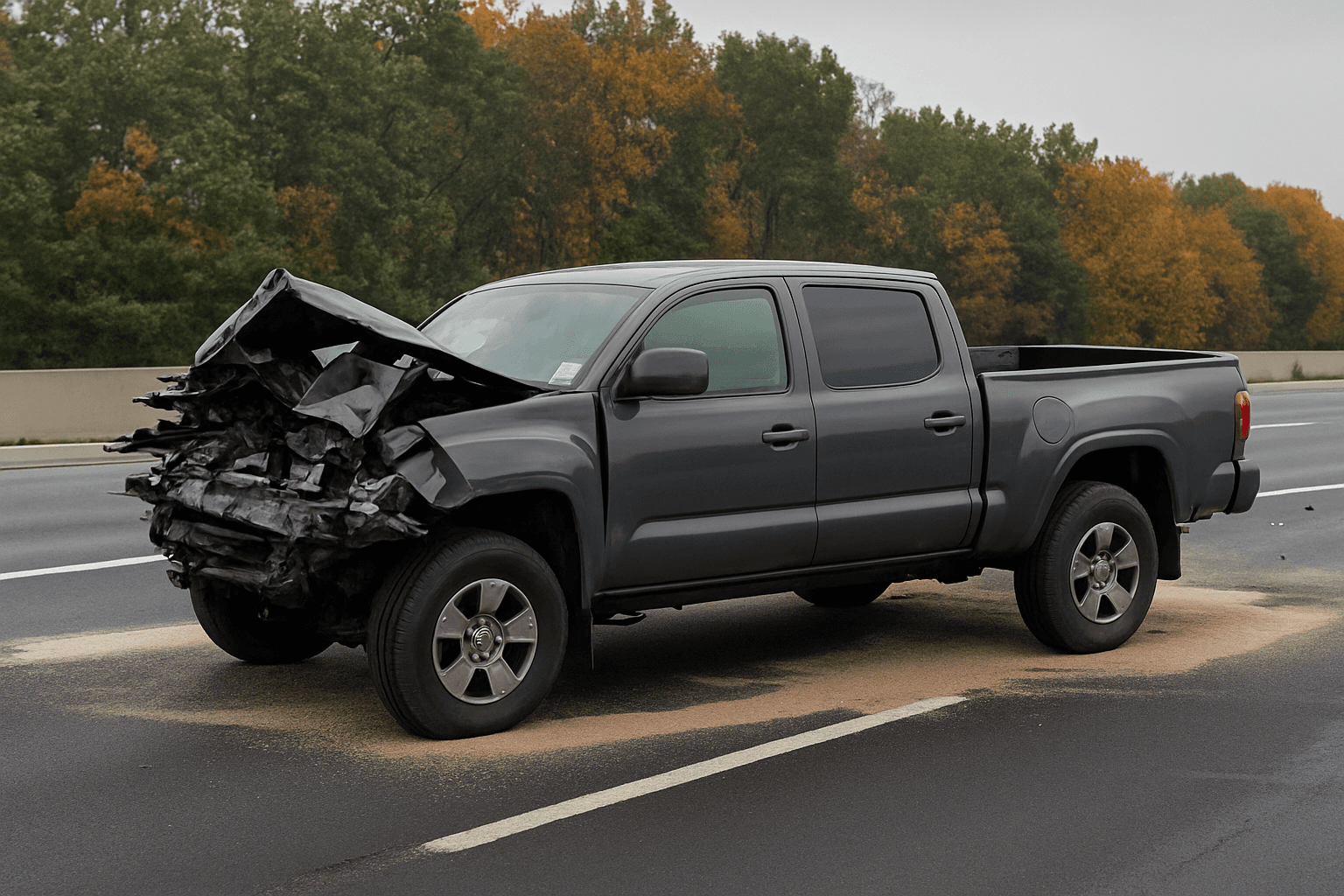
If you drop collision and comprehensive and total your vehicle, your liability coverage continues and your SR-22 filing remains active. You are still insured for state purposes. The problem is replacing the vehicle with no payout.
North Dakota requires continuous SR-22 filing for three years after DUI conviction. If you cannot afford to replace the totaled vehicle and let your policy lapse, the carrier notifies the DMV within 10 days. Your license is suspended again, and the three-year SR-22 clock resets to zero on the day you reinstate.
If you need a vehicle to commute but cannot afford a replacement, non-owner SR-22 insurance maintains your filing while you save for another car. Monthly cost is typically $45–$85/mo in North Dakota, far less than insuring a vehicle you no longer own.
How to Decide Whether to Keep Physical Damage Coverage
Run the break-even calculation. If your vehicle's actual cash value is less than two years of collision and comprehensive premiums, you are paying more to insure the vehicle than it is worth. A $4,000 vehicle with $95/mo in physical damage premiums breaks even in 42 months — longer than most drivers keep an older car.
Consider your cash position. If you have $3,000 in accessible savings and your vehicle is worth $5,500, you can absorb most of a total loss. If you have $400 in savings, losing the vehicle leaves you stranded with no SR-22 policy, which suspends your license and resets your filing period.
Weigh your conviction class and driving behavior during SR-22 filing. First-offense standard DUI with no prior at-fault accidents suggests lower near-term crash risk than repeat-offense DUI or a history of distracted driving citations. Carriers cannot legally use your DUI alone to predict physical damage claims, but your own assessment of risk matters when you are self-insuring.