You're required to file SR-22 after a DUI in South Dakota, but your carrier didn't say what coverage level the state actually requires. Here's what you legally need and what protects you better.
What South Dakota Legally Requires for SR-22 Filing
South Dakota requires liability coverage minimums of 25/50/25 to satisfy SR-22 filing: $25,000 per person for bodily injury, $50,000 per accident for bodily injury, and $25,000 for property damage. The SR-22 certificate itself is not insurance — it's proof your carrier filed confirmation with the South Dakota Department of Public Safety that you're carrying at least those minimums.
You do not legally need collision or comprehensive coverage to satisfy the SR-22 requirement. If you own your vehicle outright and can afford to replace it out of pocket after another incident, liability-only meets the state's reinstatement condition.
The filing period in South Dakota is typically 3 years from your conviction date for a first-offense DUI, but your court order or DMV reinstatement letter will specify your exact end date. If you let coverage lapse even one day during that period, the SR-22 clock resets to zero and you start the full 3-year filing requirement over again.
Why Most Carriers Require Full Coverage for DUI SR-22 Policies
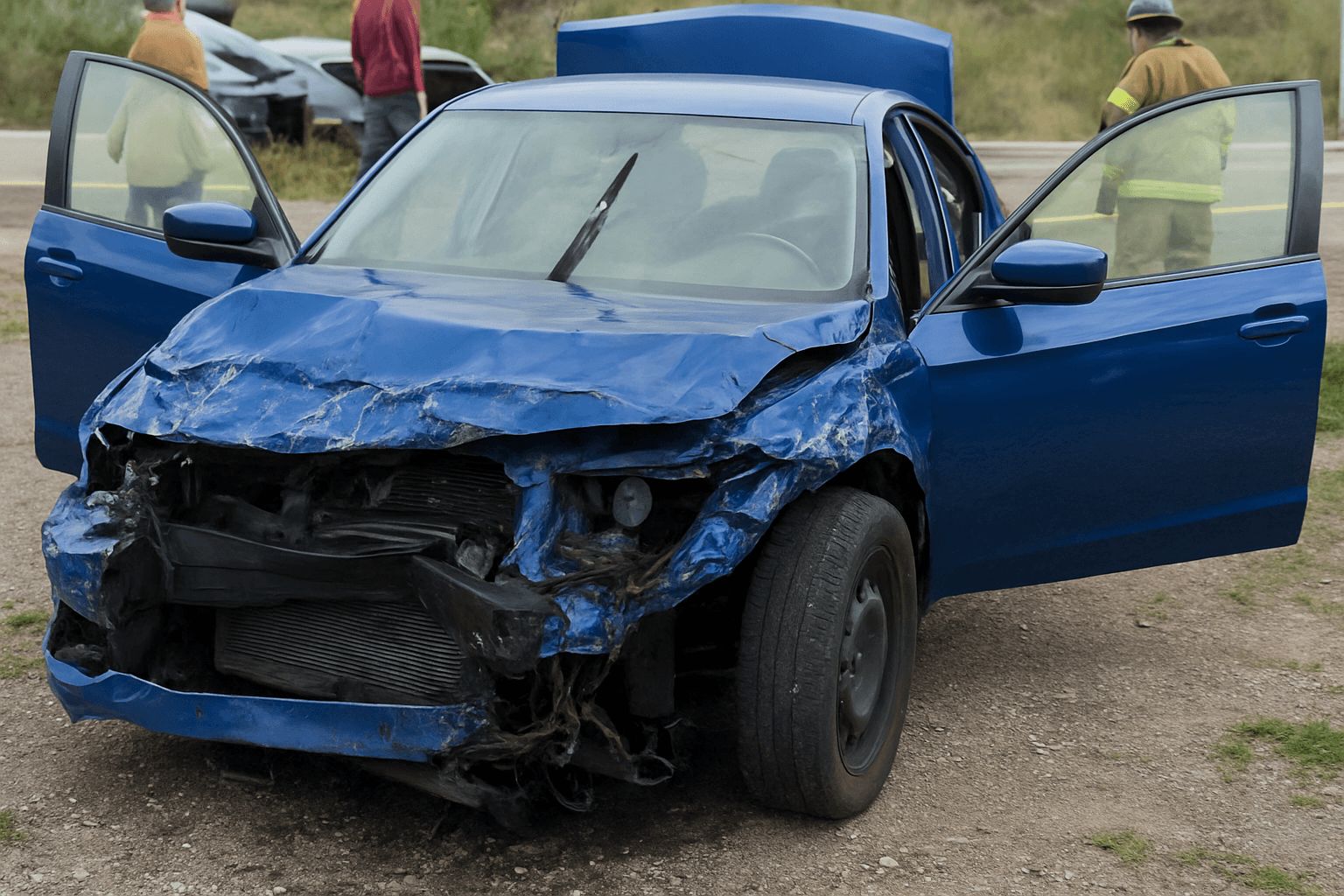
Most non-standard carriers writing SR-22 policies after a DUI will not offer liability-only coverage. Bristol West, Dairyland, GAINSCO, The General, and Direct Auto typically require full coverage — collision and comprehensive included — for drivers with DUI convictions because the actuarial risk of a second incident is high enough that they won't underwrite liability-only exposure.
If you financed or leased your vehicle, your lender requires full coverage regardless of what the state mandates. The lienholder clause in your loan agreement overrides state minimum requirements, and your lender will force-place coverage at a much higher cost if you drop to liability-only.
Carriers that do write liability-only SR-22 for DUI drivers — typically Safe Auto, Acceptance, or regional non-standard writers — charge premiums within 10-20% of full coverage pricing because the loss history is identical. You save $15-30/month but give up collision and comprehensive protection on a vehicle you may not be able to replace if totaled.
Find out exactly how long SR-22 is required in your state
Rate Difference Between Liability-Only and Full Coverage After DUI
A liability-only SR-22 policy after a DUI in South Dakota typically costs $110-160/month. A full coverage SR-22 policy for the same driver runs $130-190/month. The gap is smaller than most drivers expect because the DUI conviction drives the base rate, not the coverage level.
Collision and comprehensive premiums are calculated separately from liability premiums, and the DUI surcharge applies to your liability portion only. Adding collision and comprehensive to an SR-22 policy costs roughly the same as adding it to a clean-record policy for the same vehicle — $20-40/month depending on vehicle value and deductible.
If your vehicle is worth less than $3,000, the collision coverage premium over 3 years may exceed the vehicle's actual cash value. In that case, liability-only makes financial sense if you can find a carrier willing to write it and you can afford to self-insure the vehicle replacement cost.
What Happens If You Drop to Liability-Only Mid-Filing Period
If you start your SR-22 period with full coverage and later try to drop collision and comprehensive, your carrier will allow it only if your loan is paid off and their underwriting guidelines permit liability-only for DUI drivers. Most non-standard carriers do not permit mid-term coverage reduction for SR-22 filers.
Switching from full coverage to liability-only does not cancel your SR-22 filing as long as you maintain continuous liability coverage at state minimum limits or higher. The SR-22 tracks your liability coverage status only — collision and comprehensive are invisible to the DMV filing system.
If you switch carriers mid-period, your old carrier files an SR-26 cancellation notice with the state, and your new carrier must file a new SR-22 before the old policy cancels. If there's any gap, the state suspends your license immediately and restarts your 3-year filing clock from the new reinstatement date.
Decision Framework: When Liability-Only Makes Sense
Liability-only makes sense if your vehicle is worth under $3,000, you own it outright, you have savings to replace it after another incident, and you can find a carrier willing to write liability-only SR-22 for a DUI driver in South Dakota. That combination is rare.
Full coverage makes sense if your vehicle is worth over $5,000, you're still paying off a loan, you cannot afford sudden replacement cost, or the only carriers quoting you require it as a condition of writing the policy. Most DUI SR-22 drivers fall into this category.
The coverage decision matters less than continuous coverage. A lapse triggers immediate suspension and resets your filing clock to zero, which costs you far more in reinstatement fees, extended high-risk premiums, and lost driving privileges than the monthly difference between liability-only and full coverage.