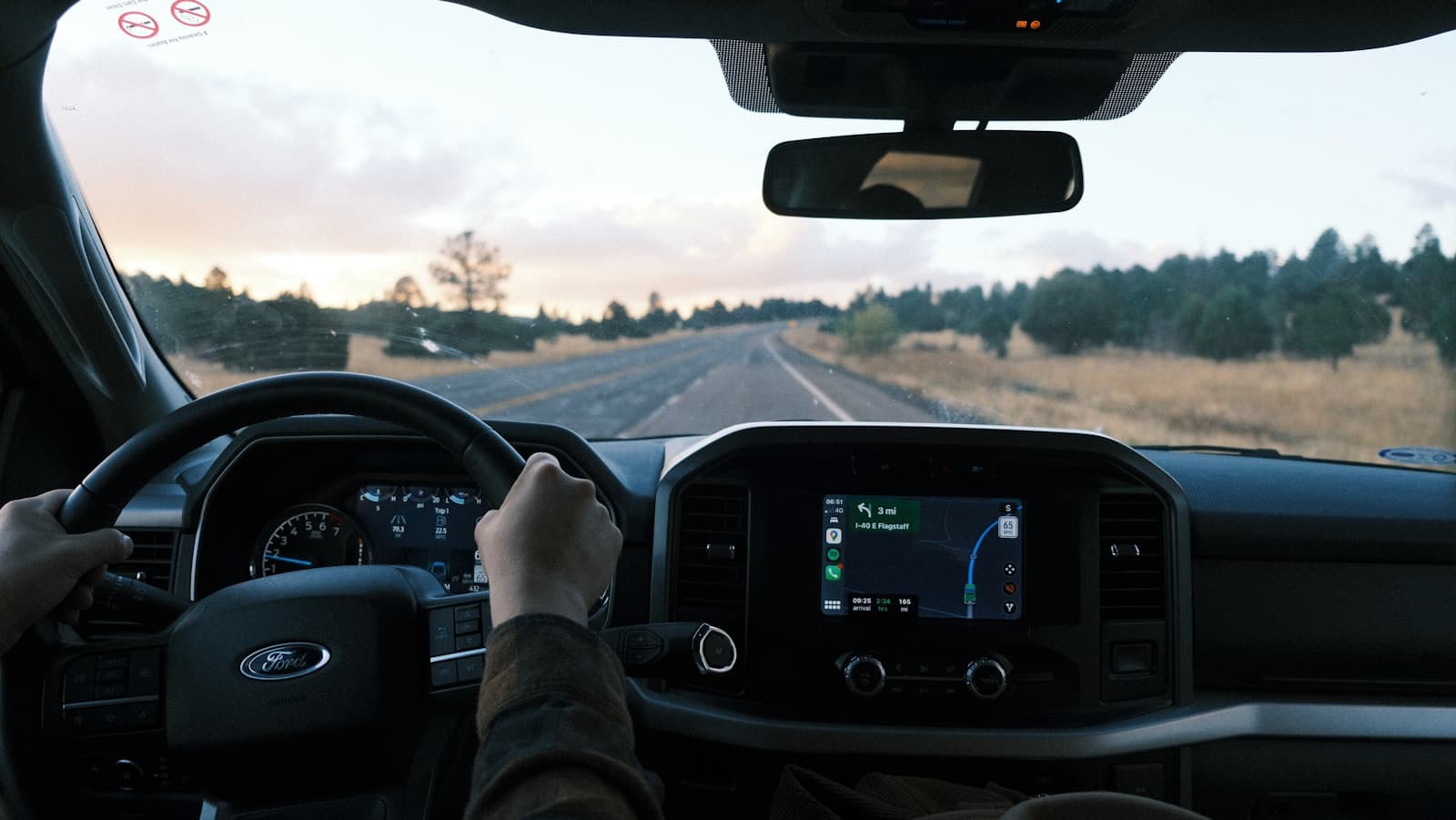
Idaho's restricted license statute limits driving to daylight hours, which eliminates most night shift work. Employer documentation can extend hours in specific cases, but seasonal sunset changes create a compliance trap.
Idaho Restricted License Hours Prohibit Most Night Shift Commutes
Idaho issues restricted driving permits under Idaho Code 18-8002A after a DUI suspension, but the statute limits driving to daylight hours unless the court grants a specific exception. Daylight hours in Idaho means sunrise to sunset, which ranges from roughly 5:30 AM to 9:00 PM in June down to 8:00 AM to 5:15 PM in December in Boise. If your shift starts after sunset or ends before sunrise at any point during your filing period, you are driving outside your restriction.
The court can extend hours for employment purposes, but you must file a motion with supporting documentation from your employer before your restricted license is issued. Most judges require a signed letter on company letterhead stating your exact shift hours, job location, and confirmation that no alternative shift is available. This documentation requirement creates two common failure points: employers unwilling to commit in writing, and seasonal sunset changes that invalidate your original approval.
Idaho DMV does not track restricted license violations in real time, but a traffic stop during non-permitted hours triggers an immediate driving without privileges charge under Idaho Code 18-8001. That charge carries up to 6 months in jail, a $1,000 fine, and an extension of your SR-22 filing requirement. Most SR-22 carriers will non-renew your policy if a second violation appears on your record during the filing period.
How Idaho Courts Handle Night Shift Employment Exceptions
Idaho district courts have discretion to grant work-related exceptions to daylight-only restrictions, but the burden is on you to prove necessity before the restricted license is issued. You file a motion for restricted driving privileges as part of your DUI sentencing or administrative license suspension hearing, and you must include employer verification at that time. Courts will not retroactively approve hours after your license is already issued.
The employer letter must specify your shift start and end times, physical work address, and a statement that your position requires those specific hours. Generic letters stating "employee may need to work nights" are routinely rejected. Judges in Ada and Canyon counties require the employer to confirm that no daylight shift is available and that termination is the consequence if you cannot work the stated hours.
If your employer refuses to provide documentation or if your shift changes after the court order is issued, you must file a new motion to modify your restricted license conditions. That process takes 2 to 4 weeks, during which you cannot legally drive outside daylight hours. Most night shift workers in this position either lose the job or drive illegally and hope enforcement does not catch them before their full license is reinstated.
Find out exactly how long SR-22 is required in your state
SR-22 Filing Requirements Do Not Change Restricted License Hours
SR-22 insurance is a separate compliance requirement from your restricted license conditions. Filing SR-22 with the Idaho DMV proves you carry liability coverage, but it does not grant you any additional driving privileges beyond what the court order specifies. If your restricted license limits you to daylight hours, SR-22 filing does not expand that window.
Idaho requires SR-22 filing for 3 years after a standard first-offense DUI conviction, measured from the date your driving privileges are reinstated. If you are on a restricted license during part of that period, your SR-22 requirement continues through the full 3 years regardless of whether your license restrictions are lifted earlier. Most drivers mistakenly believe that once their full license is restored, the SR-22 requirement ends. It does not.
SR-22 carriers in Idaho's non-standard market include Bristol West, Dairyland, GAINSCO, The General, and Direct Auto. Monthly premiums for SR-22 DUI policies in Idaho typically range from $110 to $190 depending on your age, county, and whether you have a second violation on record. Most mainstream carriers will file SR-22 for existing customers but non-renew at the end of your policy term.
What Happens If You Drive Outside Permitted Hours
Driving outside your restricted license hours is charged as driving without privileges under Idaho Code 18-8001, which is a misdemeanor. A conviction triggers up to 6 months in jail, a fine up to $1,000, and an additional license suspension of at least 30 days. The court may also extend your SR-22 filing period or impose additional restrictions on any future restricted license.
Idaho State Police and local law enforcement do not have real-time access to your restricted license conditions during a traffic stop, but they can verify your license status through dispatch. If you are stopped outside daylight hours and your license shows a restriction, the officer will request your court order. If the order does not explicitly permit night driving, you will be cited on the spot.
Your SR-22 carrier will receive notice of the violation within 10 to 15 days through Idaho's electronic reporting system. Most non-standard carriers will non-renew your policy at the end of the current term if a second violation appears. If you lose coverage and your SR-22 lapses even one day, Idaho DMV suspends your license again and restarts your 3-year SR-22 filing clock from zero.
Alternatives to Night Shift Work During Your Restricted Period
If your employer cannot or will not provide the documentation required for a night shift exception, your options are limited to finding daylight-hour employment or arranging alternative transportation for work commutes. Idaho restricted licenses typically permit driving to and from work, court-ordered programs, medical appointments, and school, but only during daylight hours unless the court order states otherwise.
Some drivers attempt to use rideshare or coworker transportation for night shifts, but that approach assumes reliable availability every shift for the duration of your restricted license period, which in Idaho is typically 90 to 180 days depending on whether this is a first or repeat offense. Missing shifts due to transportation gaps often results in termination, which eliminates the work-related driving privilege entirely.
If you lose your job during the restricted license period and your new employer offers only night shifts, you must file a new motion with the court to modify your conditions before starting the position. Idaho courts are skeptical of multiple modification requests and may deny the motion if the judge believes you are attempting to circumvent the daylight restriction. The safest path is to target daylight-shift employment before your restricted license is issued and secure employer documentation as part of your initial court filing.