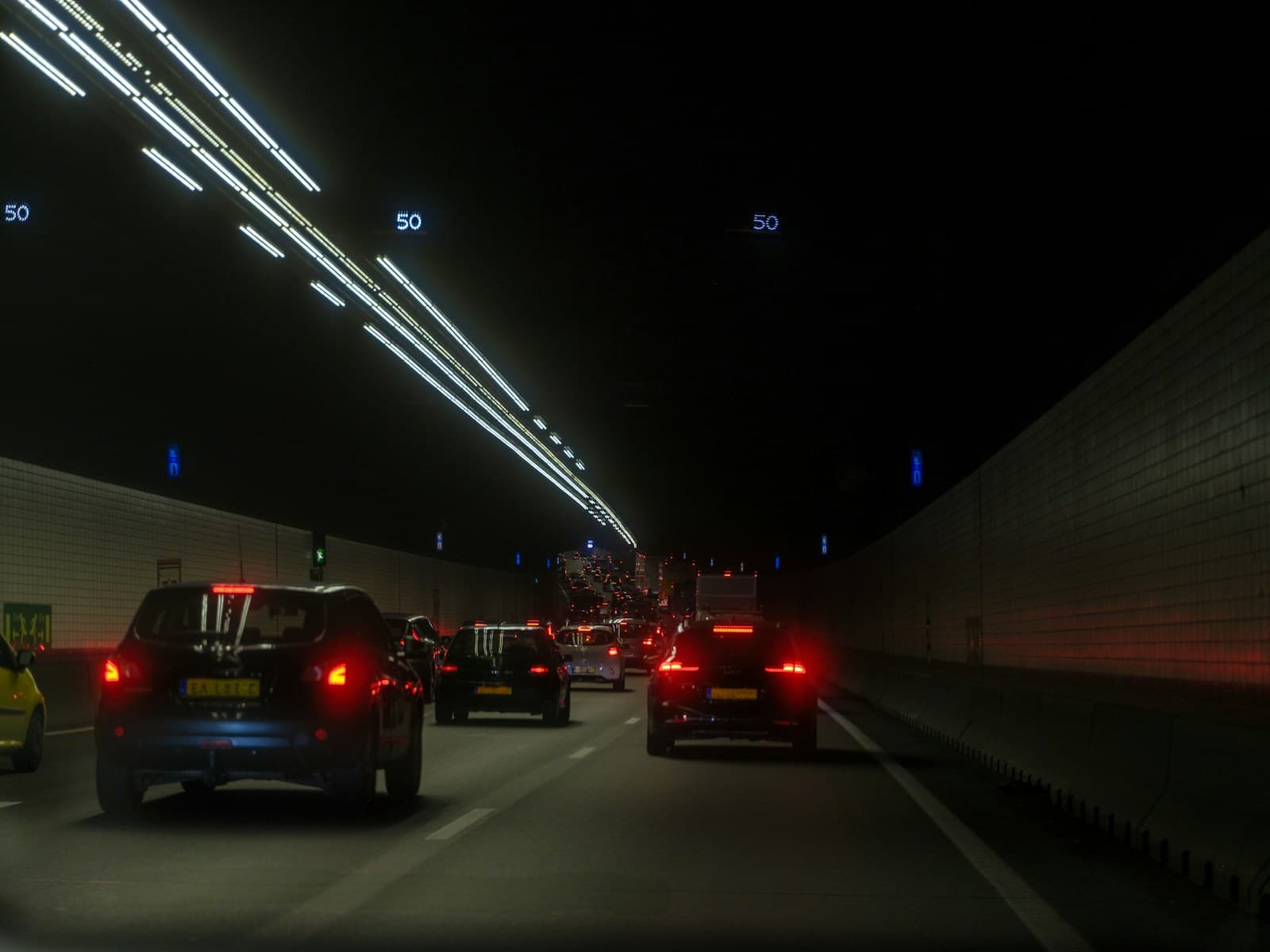
Nevada restricted licenses cover night shift commutes if your employer documents the schedule, but you must file SR-22 before the DMV issues the license — and that filing clock runs whether you reinstate fully or not.
Nevada restricted licenses cover employment at any hour if your employer documents the need
Nevada restricted licenses after DUI authorize travel to and from work regardless of shift time. The DMV does not limit restricted license use to daytime hours. If you work nights, swing shifts, or rotating schedules, your restricted license covers those commutes as long as your employer submits a letter on company letterhead stating your work location, days, and exact shift hours.
The restriction is route-based, not time-based. You can drive directly between home and work, home and DUI school, home and court-ordered treatment, and home and medical appointments. Side trips, errands, and non-authorized stops void the restriction and can result in a separate charge for driving outside restriction terms.
Nevada requires employer documentation at the time you apply for the restricted license. The letter must include your job title, work address, scheduled days, start time, and end time. If your schedule changes, you must notify the DMV and submit updated employer documentation within 10 days.
You must file SR-22 before Nevada issues a restricted license after DUI
Nevada will not issue a restricted license until you file SR-22 with the DMV. The SR-22 is proof your auto insurance carrier has accepted you as a high-risk driver and will notify the state if your policy cancels or lapses. Most DUI convictions in Nevada trigger a 3-year SR-22 filing requirement measured from the date of reinstatement, not the conviction date.
The filing clock starts the day the DMV processes your SR-22 and issues your restricted license. If you drive on a restricted license for 6 months and then apply for full reinstatement, you still owe 2.5 years of continuous SR-22 coverage from that original filing date. Many drivers assume the 3-year clock starts when they reinstate fully — it does not.
Nevada charges a $35 reinstatement fee and a $22 restricted license application fee. The SR-22 filing itself carries no state fee, but carriers charge $15–$50 to file the form. If your SR-22 lapses at any point during the 3-year period, Nevada suspends your license immediately and resets the filing requirement to zero.
Find out exactly how long SR-22 is required in your state
Most major carriers non-renew DUI policies at term, forcing restricted license holders into the non-standard market
State Farm, Geico, Allstate, and Progressive typically file SR-22 for existing customers after a DUI but non-renew the policy at the end of the current term. If you already had coverage when you received your DUI, your carrier will likely allow you to finish your 6-month or 12-month policy period, but you will receive a non-renewal notice 30–60 days before expiration.
Once non-renewed, you enter the non-standard insurance market. Carriers writing SR-22 policies for Nevada DUI drivers include Bristol West, Direct Auto, Dairyland, GAINSCO, Acceptance, Kemper, and The General. Monthly premiums for minimum liability coverage with SR-22 filing typically range from $110 to $190 depending on your age, county, and whether this is a first or repeat offense.
Nevada requires 25/50/20 liability minimums: $25,000 bodily injury per person, $50,000 bodily injury per accident, $20,000 property damage. Most non-standard carriers will not write collision or comprehensive coverage for restricted license holders, offering liability-only policies until full reinstatement.
Driving outside your authorized routes while on a restricted license is a separate misdemeanor
Nevada law treats unauthorized use of a restricted license as driving on a suspended license. If law enforcement stops you outside your approved route — running an errand after work, picking up a passenger, or making a side trip — you face a misdemeanor charge carrying up to 6 months in jail and a $1,000 fine. The DMV will also revoke your restricted license and extend your full suspension period.
The most common violation: stopping for gas, groceries, or food on the way home from work. Nevada restricted licenses do not authorize stops for errands or personal business. If you need gas, you must make a separate trip from home directly to the gas station and back, not combine it with your work commute.
If your employer requires you to drive between job sites during your shift, your restricted license does not cover that travel unless the DMV specifically approved multi-location work use. You must list all work locations on your employer letter and restricted license application.
Your SR-22 filing requirement continues after full license reinstatement
Nevada DUI convictions require 3 years of continuous SR-22 coverage starting from your first reinstatement date, whether restricted or full. Most drivers apply for full reinstatement after completing their restricted license period, DUI school, victim impact panel, and any court-ordered treatment. The SR-22 clock does not reset at full reinstatement — it continues running from the date you first filed.
If you filed SR-22 on March 1, 2024 to obtain a restricted license and reinstated fully on September 1, 2024, your SR-22 requirement ends March 1, 2027. You cannot drop SR-22 coverage early even if you maintain a clean driving record during the filing period. Nevada tracks the end date from the original filing, and your carrier must continue filing until that date or the DMV suspends your license.
After your 3-year SR-22 period ends, expect your insurance premium to drop 40–60% if you have maintained continuous coverage and avoided new violations. Drivers who let SR-22 lapse and restart face higher rates and extended filing periods.
Non-owner SR-22 policies cover restricted license holders who do not own a vehicle
Nevada allows non-owner SR-22 policies for drivers who do not own a car but need to satisfy the SR-22 filing requirement. These policies provide liability coverage when you drive a borrowed or rented vehicle and meet Nevada's SR-22 mandate for restricted license issuance. Monthly premiums for non-owner SR-22 policies range from $45 to $85, significantly lower than standard policies because the carrier assumes lower risk.
Non-owner policies do not cover a vehicle you own, lease, or regularly use. If you live with someone who owns a car and you drive it regularly, you must be listed on their policy or purchase a standard SR-22 policy in your name. Most carriers require you to certify you do not have regular access to a household vehicle when applying for non-owner coverage.
If you take public transit to work most days but occasionally borrow a car for night shifts when buses do not run, a non-owner SR-22 policy satisfies Nevada's filing requirement and provides liability protection during those trips. The policy must remain active for the full 3-year SR-22 period.