You're juggling court dates, kids, and a work commute with a suspended license. Maryland's restricted license process paired with SR-22 filing can get you back on the road faster than waiting out the full suspension.
Maryland Restricted License Starts Before Your Suspension—If You Act Fast
Maryland allows first-offense DUI drivers to apply for a restricted license with an ignition interlock device (IID) immediately after conviction, even before your suspension officially begins. Most single parents wait until their suspension starts, then apply—losing 45 to 90 days of legal driving they could have used for work and school runs.
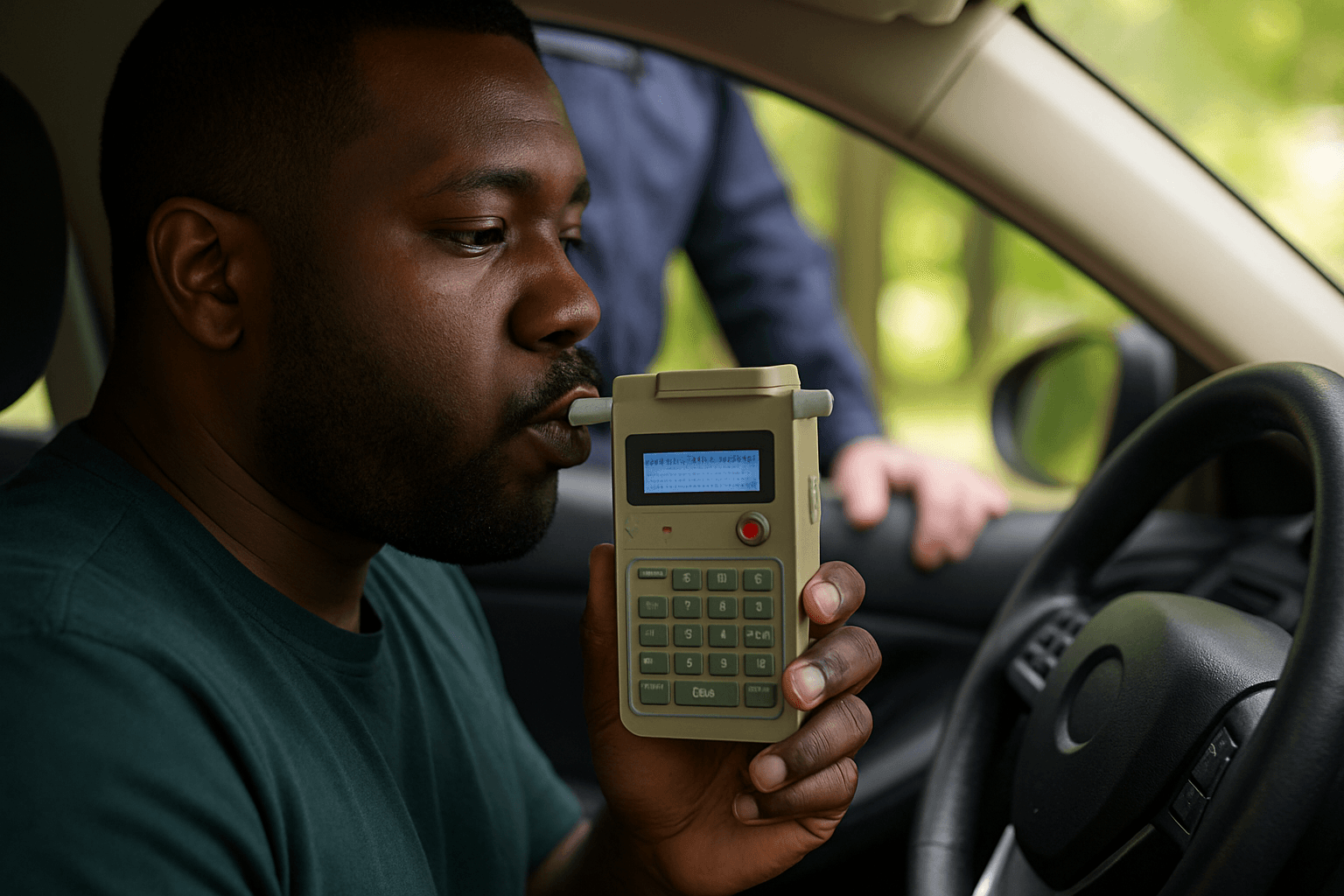
The Maryland Motor Vehicle Administration (MVA) requires IID installation before they'll issue the restricted license. Schedule your IID installation within 7 days of sentencing. Once installed, your provider submits proof to the MVA, and you can apply for the restricted permit the same week. Your SR-22 filing must be active before the MVA approves the permit.
This timing matters because Maryland's first-offense suspension runs 180 days for refusal, 90 days for BAC 0.15% or higher, and 45 days for standard DUI. A restricted license with IID lets you drive to work, medical appointments, childcare, school, DUI education classes, and court-ordered programs—essentially everything a single parent needs to maintain stability.
What Maryland's Restricted License Actually Allows You to Drive For
Maryland's restricted license isn't a full license. It's a work permit tied to specific approved locations. You submit a list of addresses when you apply: your employer, your children's school and daycare, your DUI education program, medical providers, grocery stores within your zip code, and the IID service center for monthly calibration.
The MVA approves or denies each location. You can drive only to approved addresses, only during hours that match your documented need. A second-shift retail job gets evening driving hours. A 9-to-5 office job does not justify 11 PM trips. The IID logs every trip—time, duration, route deviation. If you're pulled over outside your approved radius or time window, your restricted license is revoked and your suspension clock resets to day one.
Single parents typically include: employer address, children's school and after-school care, pediatrician, your own medical providers, DUI education program, MVA office for reinstatement, IID service center, and one grocery store. The MVA allows religious services if you provide the address and typical attendance times. Visiting family members or friends is not approved unless they provide documented childcare.
Find out exactly how long SR-22 is required in your state
SR-22 Filing in Maryland: When It Starts and How Long It Runs
Maryland requires SR-22 for 3 years after reinstatement for DUI convictions. The 3-year clock starts the day your full license is reinstated—not your conviction date, not the day you get your restricted license. Most drivers miscount and cancel their SR-22 a year early, triggering an immediate suspension.
SR-22 is a liability certificate your insurer files with the MVA proving you carry at least Maryland's minimum liability limits: 30/60/15 (30k per person, 60k per accident, 15k property damage). The filing itself costs $50 to $75 depending on your carrier. Your premium increase comes from the DUI conviction, not the SR-22 filing—but the two together push most drivers into the non-standard insurance market.
If you let your SR-22 lapse even one day during the 3-year period—because you miss a payment, switch carriers without transferring the SR-22, or cancel the policy—the MVA suspends your license immediately and restarts your SR-22 clock at zero. You'll need to file a new SR-22 and pay reinstatement fees again. Set up autopay and calendar reminders for 15 days before each renewal.
Carriers That Write SR-22 for DUI in Maryland—and Which Won't
Most major carriers—State Farm, Geico, Allstate, Progressive—will file SR-22 for existing customers after a DUI but typically non-renew at the end of your current policy term. If you're a new customer with a DUI, they'll decline to quote or route you to a non-standard subsidiary at a higher rate tier.
Maryland non-standard carriers actively writing DUI-SR-22 policies include Dairyland, The General, Bristol West, Safe Auto, and Acceptance. Expect monthly premiums of $180 to $320 for minimum liability with SR-22, depending on your age, zip code, and whether this is a first or repeat offense. Adding an IID to your policy sometimes qualifies for a risk-reduction discount of 5% to 10%—ask your agent explicitly.
Some drivers try non-owner SR-22 policies if they don't own a vehicle and plan to borrow a family member's car. Maryland allows this, but the family member's policy must also list you as a covered driver, and most carriers exclude drivers with active DUI convictions. Non-owner SR-22 premiums run $40 to $80 per month but won't cover you if you're driving someone else's car regularly.
IID Costs, Calibration, and How It Affects Your Insurance
Maryland's approved IID providers charge $100 to $150 for installation, then $75 to $100 per month for monitoring and calibration. You're required to bring the vehicle in every 30 days for recalibration—skip one appointment and the device locks your ignition until you comply. The provider reports every failed start attempt, every skipped calibration, and every tampering event directly to the MVA.
If you share a vehicle with a co-parent or older child who doesn't need the IID, Maryland allows a family exemption form—but only if that person has their own registered vehicle they can prove they use as their primary car. If you share one vehicle, the IID stays installed for the entire restricted license period, typically 12 to 18 months until full reinstatement.
Some insurers offer an IID discount because the device prevents drunk driving. Others charge a surcharge because it signals high-risk behavior. Ask your SR-22 carrier before installation whether the IID changes your rate. If your carrier doesn't recognize the device, shop before renewing—you might find a 10% to 15% difference between carriers that credit the IID and those that don't.
Reinstatement Fees and Timeline After Your Suspension Ends
When your suspension period ends and you've completed DUI education and the IID monitoring term, you pay the MVA $50 to $75 in reinstatement fees depending on whether your suspension was administrative, court-ordered, or both. Your SR-22 must be active and on file before the MVA processes reinstatement.
Bring proof of DUI program completion, your IID removal certificate (if your term has ended), your SR-22 confirmation letter from your insurer, and payment. The MVA processes same-day reinstatement at most branch offices, but bring every document—one missing form means another trip. Your full license is reissued, and your 3-year SR-22 clock starts that day.
Most single parents stay on the restricted license for 12 to 18 months because the IID monitoring period runs longer than the suspension. Maryland requires 1 year of IID for first-offense DUI, 18 months for repeat offense. You can't remove the IID or upgrade to a full license until both the suspension and the IID term are complete. Once both end, reinstate immediately—waiting extends your SR-22 requirement because the clock starts at reinstatement, not conviction.