Minnesota's restricted license rules allow driving to work and childcare — but only after IID installation, SR-22 filing, and reinstatement fees. Here's how to manage the compliance timeline when you're the only driver in your household.
What Restricted License Options Minnesota Offers After DUI
Minnesota offers a Limited License during your revocation period if you meet specific conditions: 15 days post-revocation waiting period completed, ignition interlock device (IID) installed in your vehicle, SR-22 insurance filed with the state, and all reinstatement fees paid. The Limited License allows driving to and from work, childcare, school, medical appointments, court-ordered treatment, and ignition interlock service appointments. You cannot drive for social or recreational purposes.
The waiting period starts the day your revocation begins, not the day of conviction. For a first-offense DUI with BAC under 0.16, you face a 30-day revocation minimum before Limited License eligibility. For aggravated DUI (BAC 0.16 or higher, child under 16 in vehicle, or prior DUI within 10 years), the waiting period extends to 90 days or longer depending on your violation class.
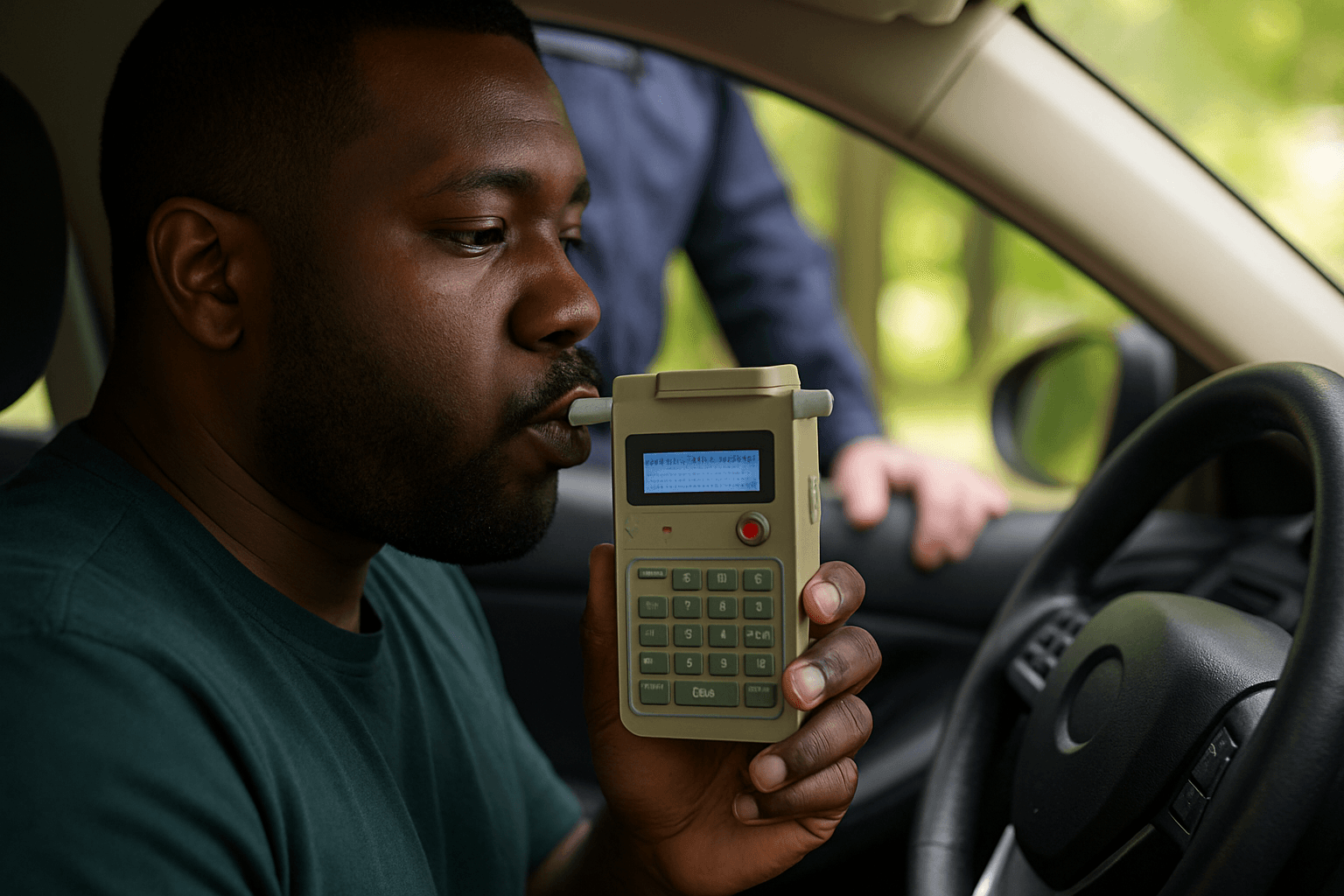
Single parents must plan around the IID installation timeline. Most Minnesota IID providers (Smart Start, LifeSafer, Intoxalock) require 3-7 business days from approval to installation. The Limited License cannot be issued until the IID is physically installed and the provider submits confirmation to Minnesota DVS. If you're coordinating childcare pickups or work shifts, count backward from your target reinstatement date to schedule IID installation early.
How SR-22 Filing Works With Minnesota's Limited License Process
Minnesota requires SR-22 filing for the entire revocation period plus three years after license reinstatement. For a first-offense DUI, that typically means SR-22 coverage for 3-4 years total. The SR-22 must be active before DVS will issue your Limited License — your carrier files it electronically, and DVS receives confirmation within 24-48 hours in most cases.
Most major carriers (State Farm, Geico, Allstate, Progressive) will file SR-22 for existing customers but typically non-renew at policy term. If you're shopping for new DUI-SR-22 coverage, expect quotes from non-standard carriers like Dairyland, Direct Auto, Bristol West, or The General. Minnesota DUI-SR-22 rates range from $140-$280/mo depending on violation class, age, vehicle, and coverage limits. Estimates based on available industry data; individual rates vary by driving history, vehicle, coverage selections, and location.
The filing-period clock starts on your reinstatement date, not your conviction date. If your license was revoked September 1 and you reinstate November 15 with a Limited License, your 3-year SR-22 requirement runs until November 15 three years later. Missing a single premium payment triggers an SR-22 lapse notice to DVS, which revokes your license again and restarts the entire filing period from zero.
Find out exactly how long SR-22 is required in your state
Managing Childcare and Work Commutes Under Limited License Restrictions
Minnesota's Limited License permits direct-route travel only. You can drive from home to daycare to work, but you cannot stop for groceries, run errands, or detour for non-approved purposes. If your childcare provider is 10 miles north and your workplace is 15 miles south, you're permitted both trips — but DVS expects you to take the most direct route for each.
Single parents managing multiple stops face timing challenges. If school dismissal is 3:15 PM and your shift ends at 5:00 PM, you'll need to document the scheduling conflict and apply for approval to leave work early. The Limited License application includes a section for listing all approved driving purposes with addresses and timeframes. Be specific: "Childcare pickup: Little Learners Daycare, 123 Main St, Minneapolis, Monday-Friday 5:30-6:00 PM."
If you share custody and need to drive children to the other parent's residence, that trip requires separate approval. Minnesota DVS considers custody exchanges a valid Limited License purpose if documented with a custody order or parenting plan. Include the address, scheduled exchange days, and timeframe on your application. Emergency medical trips for your children are permitted under the Limited License without prior approval, but you must be prepared to document the emergency if questioned.
What the Ignition Interlock Device Costs and How to Budget for It
Minnesota requires IID for all DUI convictions with BAC 0.16 or higher, and allows voluntary IID installation to reduce waiting periods for other DUI classes. Installation costs $70-$150, monthly lease fees run $70-$100, and calibration appointments every 60-67 days cost $20-$40 each. Over a 1-year IID requirement, expect total costs of $1,000-$1,400.
Single parents on low income may qualify for Minnesota's Indigent Interlock Program, which reduces monthly lease fees to $20-$30 and waives installation costs. Eligibility requires household income below 200% of federal poverty guidelines. Apply through your IID provider at installation — Smart Start, LifeSafer, and Intoxalock all participate in the program.
The IID logs every breath test, failed start, and violation. If your child attempts to start the car, blows into the device, or triggers a failed test, the device records it as a violation. Explain the device rules clearly to older children and ensure younger children cannot access the vehicle unattended. Accumulating violations extends your IID requirement and can delay full license reinstatement by months.
How to Avoid SR-22 Lapses When Insurance Premiums Spike
The single most common SR-22 failure mode for single parents is missed premium payments during financial stress. Minnesota SR-22 coverage costs 80-150% more than standard auto insurance, and non-standard carriers typically require full payment or short payment plans with high monthly installments. If your premium is $200/mo and you miss one payment, your carrier cancels the policy and notifies DVS within 10 days. DVS revokes your Limited License immediately.
Set up automatic payment through your bank or carrier portal to eliminate manual payment risk. If you're facing a financial gap, contact your carrier before the due date — many non-standard carriers offer 10-15 day grace periods or emergency payment extensions for established customers. Do not let the policy lapse and attempt to refile. Minnesota treats SR-22 lapses as a new violation, restarting your 3-year filing requirement from the lapse date.
If you cannot afford your current SR-22 policy, shop for a lower-cost carrier before cancellation. Minnesota allows SR-22 transfers between carriers without penalty as long as coverage remains continuous. The new carrier files an SR-22, the old carrier cancels, and DVS sees no gap. Use the 10-day overlap window to ensure no lapse appears in the DVS system.
When Full License Reinstatement Becomes Available
Minnesota allows full license reinstatement after you complete the minimum revocation period, satisfy all IID requirements, maintain SR-22 coverage without lapses, complete court-ordered DUI education or treatment, and pay all reinstatement fees. For a first-offense DUI, the earliest full reinstatement is typically 30-90 days after conviction if you complete all requirements immediately. For aggravated or repeat-offense DUI, the revocation period extends to 1-6 years depending on violation class.
The SR-22 filing requirement continues for 3 years after full reinstatement. If you reinstate your full license June 1, 2025, your SR-22 requirement runs until June 1, 2028. Once the SR-22 period ends, request a policy without SR-22 filing from your carrier. Your rates will drop significantly once the SR-22 endorsement is removed, though the DUI conviction remains on your driving record for 10 years and continues to affect premiums.
Single parents managing reinstatement alone should document every compliance step: IID service receipts, SR-22 filing confirmations, treatment completion certificates, and fee payment records. Minnesota DVS occasionally delays reinstatement due to missing documentation. Having a complete file allows you to resolve gaps immediately rather than waiting weeks for DVS to request clarification.