Maryland lets you drive to work with an ignition interlock during your suspension period, but your current carrier probably won't insure the vehicle once the device is installed. Here's how to maintain SR-22 compliance while working nights or rotating shifts.
Maryland's Work-Only Interlock License Lets You Drive During Suspension — But Not Everywhere
Maryland issues a restricted license with ignition interlock (IID) after a DUI conviction, allowing you to drive to and from work, during work hours, and for essential medical appointments while your full license is suspended. The restriction period runs 6 months for a first offense, 1 year for a second offense, and longer for aggravated or repeat convictions. Your SR-22 filing starts the day the MVA processes your reinstatement application, not the day you receive the restricted license.
The work-only restriction means exactly that: direct route to work, direct route home, driving during scheduled work hours if your job requires it. If you work rotating shifts or nights, the restriction covers those hours, but you must carry documentation proving your shift schedule. Maryland State Police and local enforcement can pull IID device logs during a traffic stop to verify your route and timing matched your stated work schedule.
The restriction does not cover side trips. Stopping for gas on the way home is defensible. Stopping at a friend's house, a bar, or a retail store that isn't on your direct commute route violates the restriction and triggers a violation report to the MVA, which typically adds 45–90 days to your restriction period and can restart your SR-22 clock.
Most Standard Carriers Drop Coverage Once the Interlock Device Is Installed
State Farm, Allstate, Progressive, and Geico will file SR-22 for existing customers after a DUI conviction, but most will non-renew your policy at the next term once an ignition interlock device is installed in your vehicle. The interlock itself isn't the disqualifier — the DUI conviction is — but the device flags your account for underwriting review, and standard carriers typically exit at that point rather than carry the policy through the full restriction period.
If your current carrier agrees to continue coverage with the IID installed, your premium will increase 80–150% from your pre-DUI rate, and you'll pay an SR-22 filing fee of $15–$50 depending on the carrier. That rate applies even if you're only driving to work under a restricted license. Mileage-based discounts don't apply to DUI-SR-22 policies in Maryland's non-standard market.
If your carrier non-renews, you'll need to move to a non-standard carrier before your current policy expires. Maryland requires continuous SR-22 coverage with no lapses. A single day without active SR-22 on file with the MVA resets your filing period to zero and triggers a new suspension notice.
Find out exactly how long SR-22 is required in your state
Non-Standard Carriers That Write IID Policies in Maryland
Dairyland, The General, and Bristol West write interlock-equipped vehicle policies in Maryland and will file SR-22 as part of the policy. Monthly premiums for a restricted-license IID policy with state-minimum liability (30/60/15) typically run $140–$220/mo for a first-offense DUI with no prior violations. That rate reflects the DUI surcharge, SR-22 filing, and interlock device presence. Estimates based on available industry data; individual rates vary by age, vehicle, county, and violation details.
Acceptance Insurance and GAINSCO also operate in Maryland but have tighter underwriting — they may decline coverage if your DUI involved an accident, injury, or BAC above 0.15. If you're on a second offense or your conviction included aggravating factors, expect fewer carrier options and premiums in the $200–$280/mo range.
You can bind coverage online or by phone with most non-standard carriers, but you'll need to provide proof of interlock installation (the installer gives you a certificate) and your restricted license documentation before the carrier will file SR-22 with the MVA. The filing is electronic and typically processes within 24–48 hours.
Your SR-22 Filing Period Starts at Reinstatement, Not at Conviction
Maryland requires SR-22 filing for 3 years after a DUI conviction, but the clock doesn't start on your conviction date. It starts the day the MVA processes your license reinstatement application and accepts your SR-22 filing. If your license was suspended for 90 days and you waited 2 weeks after the suspension ended to apply for reinstatement, your SR-22 period begins on the reinstatement application date, not 90 days earlier.
This timing matters because many drivers assume their filing period runs concurrently with their suspension or IID restriction. It does not. If you're on a 6-month IID restriction and your SR-22 filing starts 4 months into that restriction, you'll be carrying SR-22 for 2 years and 8 months after your restriction ends.
Maryland does not allow early termination of SR-22 even if you maintain a clean record during the filing period. You must carry continuous coverage for the full 3 years, and your carrier must maintain an active SR-22 certificate on file with the MVA for that entire period. If you switch carriers, the new carrier must file SR-22 before the old carrier cancels, or the MVA treats it as a lapse.
What Happens If You Miss a Shift or Drive Outside Your Restriction
If you're pulled over outside your approved work hours or off your approved route, the officer will check your IID device log. Maryland State Police and MVA-contracted enforcement can pull logs on-site during a traffic stop. If the log shows you started the vehicle outside your documented work schedule or your GPS route doesn't match your stated commute, the officer files a violation report with the MVA.
The MVA treats restriction violations seriously. A first violation typically extends your IID restriction period by 45 days and may trigger a compliance hearing. A second violation during the same restriction period usually results in full license re-suspension, immediate IID removal, and a restart of your entire suspension and filing timeline. Your SR-22 filing period does not pause during a re-suspension — the clock keeps running, but you're not legally allowed to drive.
If your work schedule changes — you move from day shift to night shift, or your employer adds weekend hours — you must notify the MVA in writing and provide updated employer documentation before driving the new schedule. The restriction follows your documented schedule, not your actual need. Driving a new shift without updating your restriction is treated as a violation even if you're genuinely driving to work.
Interlock Device Costs and Maintenance Requirements During Your Restriction
Maryland-approved IID providers (LifeSafer, Intoxalock, Smart Start) charge $75–$100 for installation and $70–$90/month for the device lease and monitoring. You're required to return for calibration every 30–60 days depending on the provider and your offense class. Each calibration visit costs $10–$20 and takes about 20 minutes. Miss a scheduled calibration, and the device logs a violation that the provider reports to the MVA.
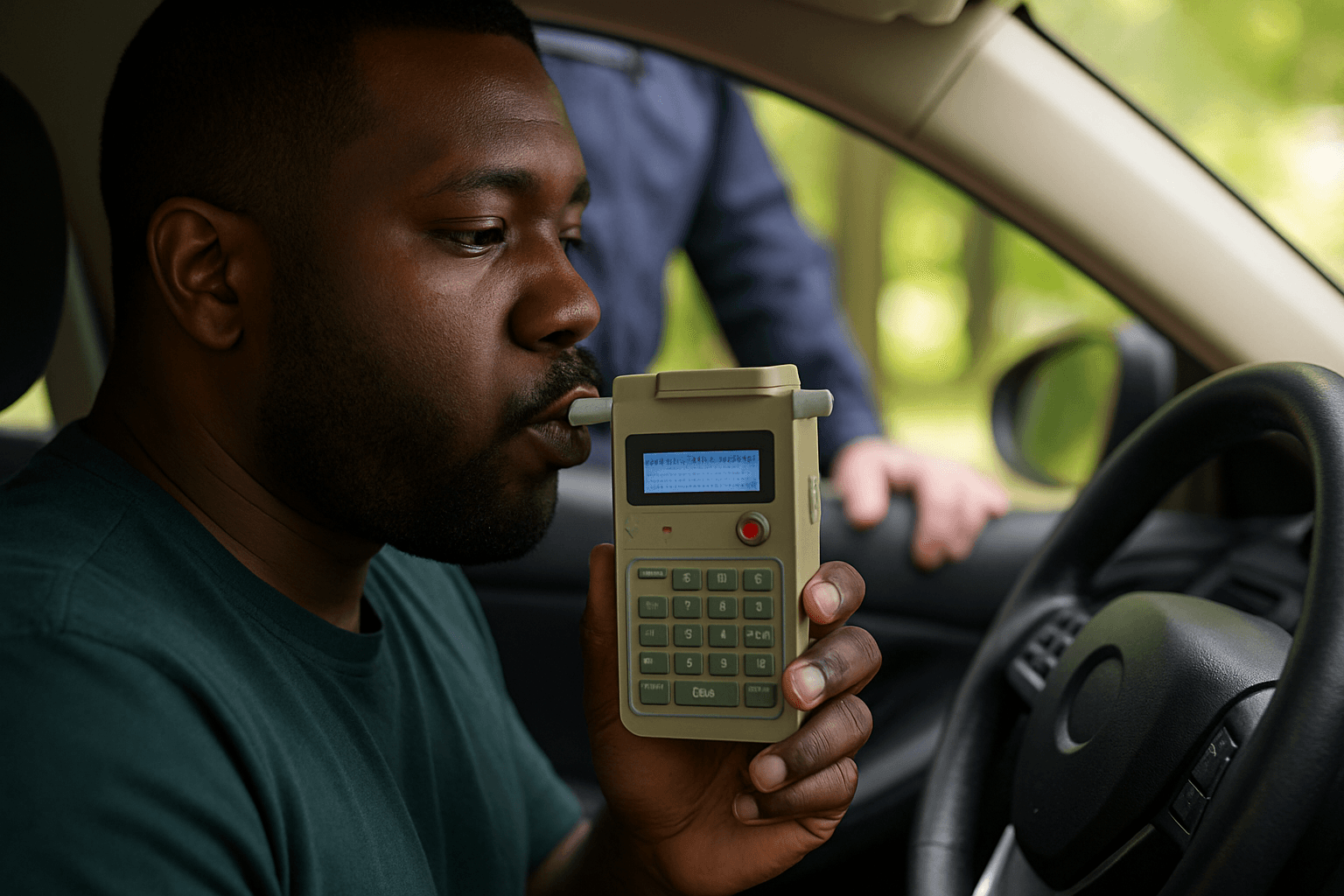
The device requires a rolling retest every 5–15 minutes while the vehicle is running. If you fail a rolling retest — your BAC reads above 0.02 — the device logs the failure and your horn honks until you turn off the ignition. The log goes to the MVA. One failed rolling retest usually triggers a warning letter. Two failed tests in a 30-day period typically result in a compliance hearing and possible restriction extension.
If you're driving for work and a rolling retest prompt appears, you must pull over safely, complete the test, and continue. You cannot disable the prompt or delay the test. Drivers working delivery, rideshare, or courier jobs often struggle with rolling retests during active work hours. Maryland does not exempt work driving from retest requirements.
How to Maintain SR-22 Compliance While Your Employer or Schedule Changes
If you lose your job during your IID restriction period, your work-only license becomes functionally useless, but your SR-22 requirement does not pause. You must maintain continuous insurance and SR-22 filing even if you're not driving. Letting your policy lapse because you're unemployed triggers an immediate SR-22 violation notice from the MVA and restarts your 3-year filing clock.
If you don't own a vehicle or you're between jobs, switch to a non-owner SR-22 policy. Non-owner policies cost $30–$60/mo in Maryland and meet the state's SR-22 filing requirement without requiring you to insure a specific vehicle. You can't drive under a work-only restriction without a vehicle, but you can keep your SR-22 active and avoid a lapse violation until you find new employment.
If your employer changes your schedule or you switch jobs, update your MVA restriction paperwork before driving the new route or new hours. The update requires a new employer letter on company letterhead stating your job title, work address, and scheduled hours. Mail it to the MVA Driver Wellness and Safety Division with your license number and case reference. Processing takes 7–10 business days. Do not start driving the new schedule until you receive written confirmation from the MVA.