Maryland's MVA orders SR-22 filing before license reinstatement, but the ignition interlock requirement starts first. Here's the sequence that keeps you compliant without overlap penalties.
Maryland DUI Creates Three Separate Compliance Timelines Running Simultaneously
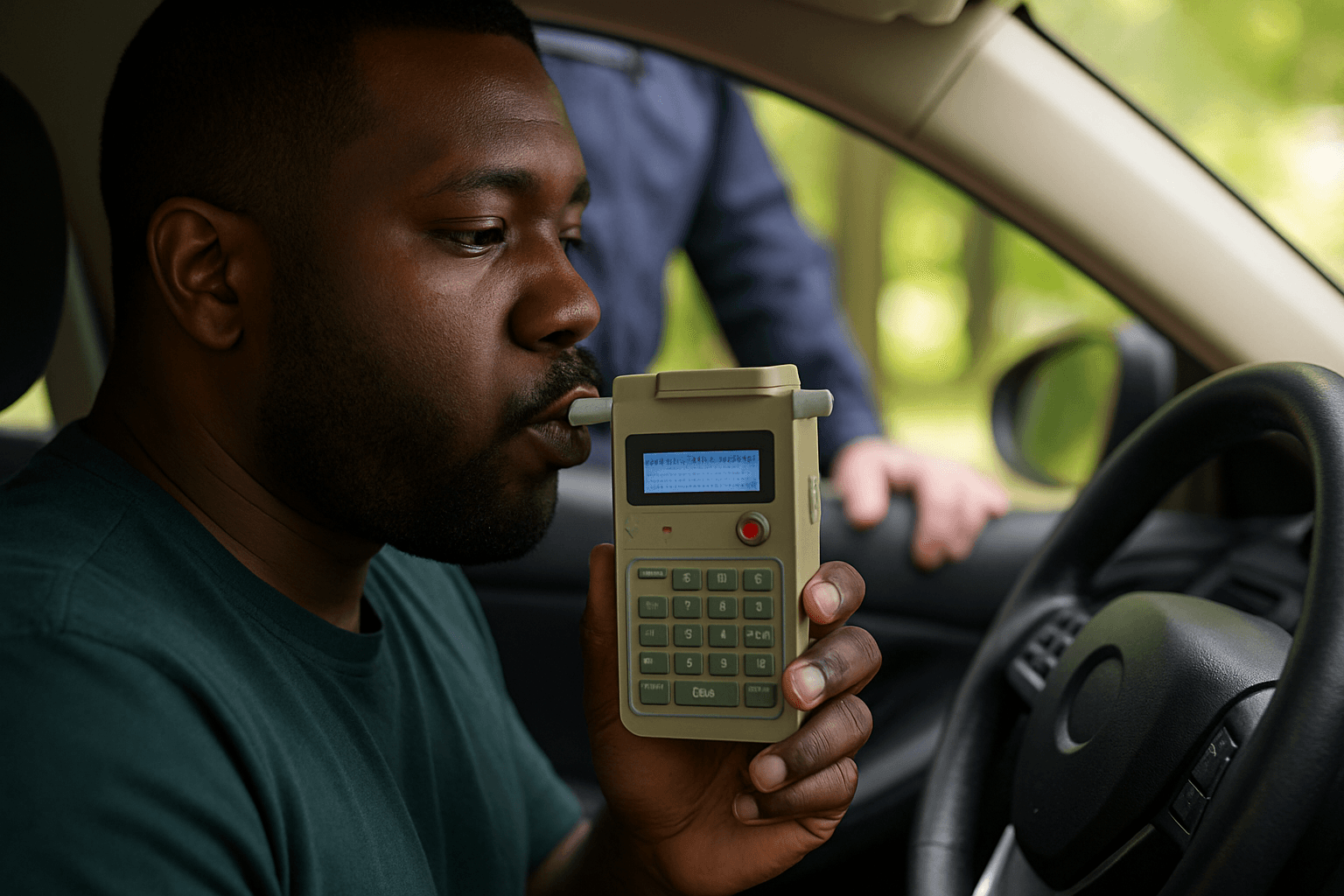
Maryland's Motor Vehicle Administration treats DUI as three parallel requirements: license suspension (45–180 days depending on BAC and prior offenses), mandatory ignition interlock device installation, and SR-22 insurance filing. The confusion happens because these don't start on the same date.
Your suspension begins the day MVA receives notice from the court or arresting officer. IID installation must happen before you apply for a restricted license. SR-22 filing happens after you get that restricted license approved. Most drivers assume SR-22 comes first because it's insurance-related, but Maryland's sequence runs IID → restricted license → SR-22.
First-offense DUI with BAC 0.08–0.14% triggers 45-day suspension, 6-month IID requirement, and 3-year SR-22 filing period. BAC 0.15% or higher, refusal, or second offense within 5 years doubles or triples each timeline. The MVA does not consolidate these — you're managing three separate clocks with three separate compliance proofs.
Why Ignition Interlock Installation Comes Before SR-22 Filing
Maryland Transportation Code §16-404.1 requires IID installation as a condition of restricted license eligibility after DUI. You cannot apply for the restricted license until an MVA-approved vendor installs the device and submits proof to the Ignition Interlock Program office in Hanover.
SR-22 filing only becomes required once MVA issues your restricted license. Carriers will not file SR-22 for a suspended license — the filing certifies that you carry at least Maryland's minimum liability limits on an active policy covering an active license. No active license means no valid SR-22.
This creates the 45-day gap. Your suspension starts immediately. You schedule IID installation during the suspension period. You apply for the restricted license after IID proof clears, typically 5–10 business days. Only then do you contact your carrier or a non-standard market broker for SR-22 filing, which must be in place before MVA finalizes reinstatement.
Find out exactly how long SR-22 is required in your state
The Restricted License Application Window Most Drivers Miss
Maryland allows restricted license applications after serving 45 days of suspension for first-offense standard DUI, or after 90 days for aggravated DUI or refusal. You must complete the Drinking Driver Program (DDP) through an MVA-approved provider before applying — 12 hours of classroom education plus assessment, typically $350–$450.
Once DDP certification, IID installation proof, and the $50 restricted license fee are submitted, MVA processes the application in 7–14 business days. Your SR-22 filing must be active before the restricted license is issued, which means you're calling carriers the week after your IID installer sends confirmation to MVA.
The failure mode happens when drivers assume they can handle SR-22 during the suspension period. Calling carriers on day 10 of suspension gets you nowhere — they can't file until you have license eligibility. Waiting until day 50 to start the IID and DDP process means you're adding weeks to your driving ban because restricted license approval is sequential, not automatic.
SR-22 Carrier Reality After Maryland DUI
State Farm, Geico, Allstate, and Progressive will file SR-22 for existing Maryland customers after DUI, but most non-renew at the 6-month term. New DUI-SR-22 policies go through the non-standard market: Dairyland, Bristol West, The General, GAINSCO, Safe Auto, and Acceptance write Maryland post-DUI drivers.
Monthly premiums for Maryland DUI-SR-22 policies run $180–$320/mo for minimum liability (30/60/15 limits), compared to $95–$140/mo for clean-record drivers. The $25 SR-22 filing fee is one-time. Your rate stays elevated for 3–5 years even after SR-22 requirement ends — DUI stays on your MVA record for 5 years and on your insurance loss history for 5–7 years depending on carrier.
Non-owner SR-22 policies cost $40–$75/mo in Maryland if you sold your car or don't own a vehicle. This satisfies the SR-22 filing requirement during your restricted license period, but you still need IID installed in any vehicle you drive, including employer vehicles or family cars.
The IID Compliance Trap That Extends Your SR-22 Clock
Maryland's IID requirement is performance-based, not time-based. You must complete 6 months of violation-free monitoring for first-offense DUI — no failed breath tests, no tampering alerts, no missed rolling retests. Any violation restarts the 6-month clock from the date of the violation.
Your SR-22 filing must remain active for 3 years from the date MVA removes the FR suspension flag, which happens only after you complete the IID term successfully. If IID violations extend your monitoring from 6 months to 9 months, your SR-22 3-year clock doesn't start until month 10.
The MVA Ignition Interlock Program office in Hanover tracks compliance separately from the Driver Wellness and Safety Division that manages SR-22 filings. A lapse in your SR-22 — even one day — triggers an FR suspension, which voids your restricted license and requires you to refile SR-22 and pay $50 reinstatement fee before driving privileges return. That lapse does not extend your IID term, but it does reset your SR-22 start date in most cases.
What to Do in the First 10 Days After Maryland DUI Conviction
Contact an MVA-approved IID vendor within 5 days of your conviction or suspension notice. Maryland approves LifeSafer, Intoxalock, Smart Start, and Guardian Interlock — installation costs $75–$125, monthly monitoring $70–$90. The vendor submits proof electronically to MVA, but confirm they've done it.
Enroll in a Drinking Driver Program immediately. DDP courses run on fixed schedules, and some counties have 3–4 week wait times for the next available session. Completing DDP before your 45-day suspension window closes means you can apply for restricted license eligibility the same week IID proof clears.
Call three non-standard carriers or a broker specializing in Maryland high-risk drivers 30 days into your suspension. Get SR-22 quotes in writing with effective dates that align with your restricted license approval timeline. You want the SR-22 filed the day MVA confirms your restricted license is active — not before, when it's invalid, and not after, when you're driving without proof.
How Long You're Actually Filing SR-22 After Maryland DUI
Maryland requires 3 years of continuous SR-22 filing from the date your FR suspension is lifted, not from your conviction date. If you complete IID in 6 months and apply for full license reinstatement, your SR-22 clock starts when MVA removes the suspension flag — typically 7–10 business days after your final IID compliance report clears.
Second-offense DUI or refusal extends SR-22 filing to 3 years minimum, but MVA can impose longer terms based on violation severity. Felony DUI (injury or death involved) typically carries 5-year SR-22 terms. The reinstatement order from MVA specifies your filing period — read it carefully.
Your carrier sends an SR-26 cancellation notice to MVA if you cancel your policy, miss a payment, or let coverage lapse. MVA suspends your license the day they receive the SR-26. Reinstatement requires a new SR-22 filing, $50 fee, and in most cases restarts your 3-year clock from zero. Maintaining continuous coverage without lapses is the only way to serve your full term on schedule.