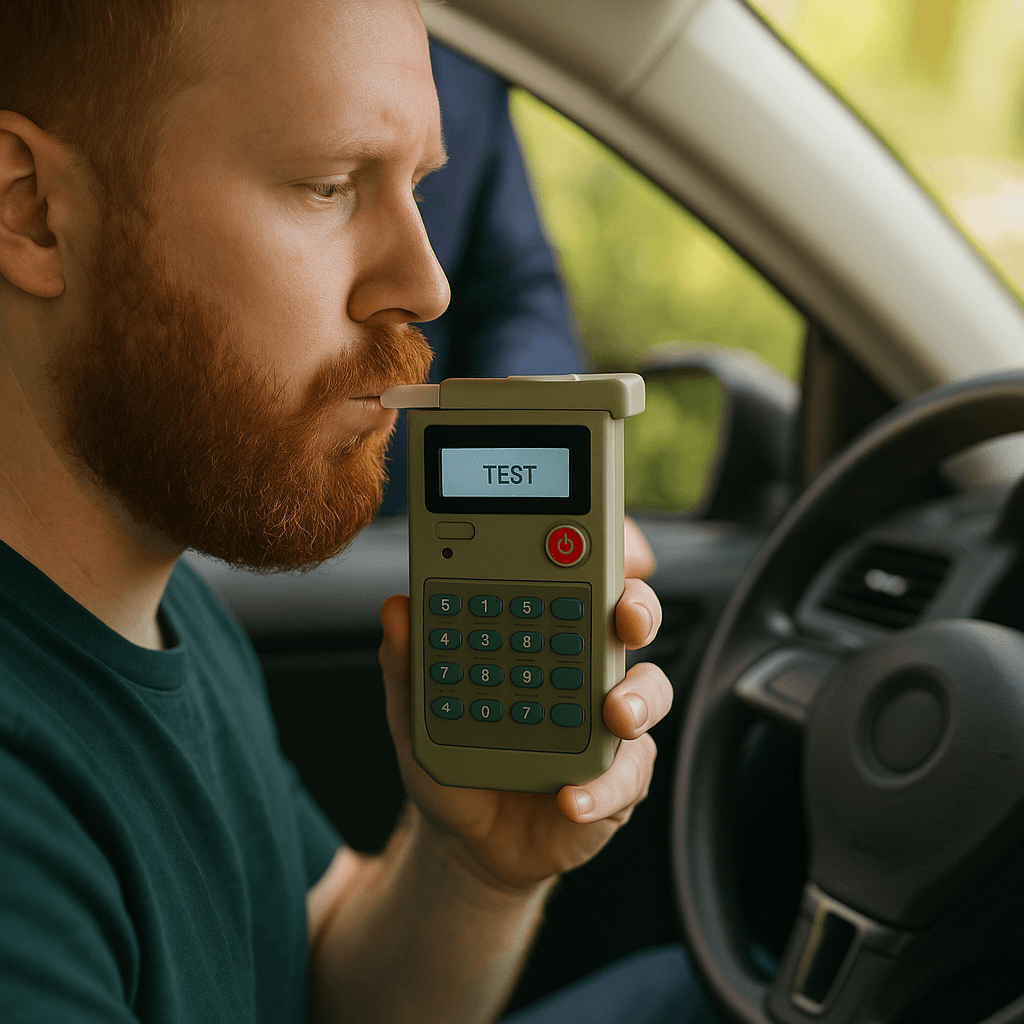
Oregon DMV won't process your SR-22 until your court-ordered IID is installed and verified. Filing early creates a gap that resets your compliance timeline and delays reinstatement.
Oregon requires IID installation before SR-22 filing for most DUII convictions
Oregon DMV will not accept your SR-22 filing until your ignition interlock device is installed and the installation is reported to the state. If you file SR-22 before the IID goes in, DMV treats it as incomplete compliance and your filing period does not start.
This sequence requirement applies to all first-offense DUII convictions with BAC above 0.15%, all second or subsequent DUII convictions, and all DUII convictions involving property damage or injury. First-offense standard DUII (BAC 0.08–0.14% with no aggravating factors) may qualify for exemption from IID, but that exemption must be court-approved before you proceed with SR-22-only filing.
The IID installation triggers a 24-hour DMV notification from the certified installer. Your SR-22 filing must occur after that notification clears DMV's system. Most installers recommend waiting 48 hours after installation before instructing your carrier to file SR-22 to avoid the gap. Filing out of sequence creates a compliance mismatch that requires corrective filing and typically adds 2–3 weeks to your reinstatement timeline.
What happens if you file SR-22 before IID installation
DMV flags the SR-22 as non-compliant and does not credit it toward your required filing period. Your carrier filed correctly, but the state rejects the filing because the IID condition precedent is missing. You will receive a notice stating your filing does not satisfy reinstatement requirements.
You must then contact your carrier, explain the sequence error, and request a corrective SR-22 filing. Most carriers treat this as a new filing event, which triggers a second filing fee — typically $25–$50 depending on carrier. Your three-year SR-22 filing period starts on the date of the corrective filing, not the original filing, which means you lost time and paid twice.
Carriers cannot override this sequence. State Farm, GEICO, Progressive, and Bristol West all file SR-22 on instruction from the policyholder, but Oregon DMV applies the IID-first rule at the state level regardless of carrier. The carrier has no visibility into whether your IID is installed when you request filing.
Find out exactly how long SR-22 is required in your state
How to confirm your IID installation is on record before filing SR-22
Call Oregon DMV Driver Records at 503-945-5000 and request verbal confirmation that your IID installation has been recorded. Provide your driver license number and the installation date. DMV can confirm within 48 hours of installation in most cases.
Your IID installer is required to submit Form 6208 (Ignition Interlock Device Installation Certificate) to DMV electronically within 24 hours of installation. The installer should provide you a copy of this form at the time of installation. If you did not receive Form 6208, contact the installer immediately — missing or delayed submission is the most common cause of the filing gap.
Once DMV confirms your IID installation is on record, contact your insurance carrier the same day and instruct them to file SR-22. The filing typically reaches DMV within 24–48 hours electronically. You can verify SR-22 receipt by calling DMV Driver Records again 72 hours after your carrier confirms filing.
Oregon IID duration and SR-22 filing period do not align
Oregon requires IID for one year minimum for most DUII convictions, measured from installation date. SR-22 filing is required for three years, measured from reinstatement date or the date DMV specifies in your suspension order. These periods run on different clocks and do not expire simultaneously.
Most drivers will satisfy IID requirements 12 months after installation, but must maintain SR-22 filing for an additional 24 months. Removing the IID after one year does not end your SR-22 obligation. Allowing your SR-22 to lapse at any point during the three-year period — even after IID removal — resets your filing clock to zero and triggers a new suspension.
Second-offense DUII and aggravated DUII convictions carry longer IID requirements: two years for second offense, and up to five years for third or subsequent offenses. SR-22 remains three years from reinstatement in all cases. Track both compliance periods separately and do not assume one ending signals the other.
Which carriers write SR-22 policies with IID restrictions in Oregon
Most mainstream carriers will not write new policies for drivers with active IID requirements. State Farm and Allstate may file SR-22 for existing customers but typically non-renew at the end of the current policy term. GEICO and Progressive accept some DUII-IID drivers on a case-by-case basis but rate them in the non-standard tier with premiums 120–180% higher than standard.
Non-standard carriers that actively write DUII-IID policies in Oregon include Bristol West, Dairyland, The General, and GAINSCO. Monthly premiums for minimum liability coverage with SR-22 filing range from $145–$240/mo depending on age, county, and conviction class. Estimates based on available industry data; individual rates vary by driving history, vehicle, coverage selections, and location.
Some carriers apply an IID surcharge — an additional $15–$30/mo on top of the DUII surcharge — to offset administrative tracking and claims risk. Ask each carrier whether the quote includes both the DUII rate increase and the IID surcharge before binding coverage.
Cost and timeline to complete IID installation and SR-22 filing in Oregon
IID installation costs $75–$150 depending on installer and device type. Monthly monitoring and calibration fees range from $70–$100/mo for the duration of your IID requirement. Oregon-certified installers include Intoxalock, LifeSafer, Smart Start, and Guardian Interlock.
SR-22 filing fees are typically $25–$50 one-time, charged by your insurance carrier at the time of filing. This fee is separate from your premium increase. Total first-month cost for a DUII-IID driver obtaining SR-22 coverage in Oregon: installation ($75–$150) + first month IID monitoring ($70–$100) + first month premium ($145–$240) + SR-22 filing fee ($25–$50) = $315–$540.
Timeline from court order to reinstatement: IID installation requires 1–2 weeks from order to appointment depending on installer availability. DMV processes IID notification within 48 hours. SR-22 filing reaches DMV within 24–48 hours after carrier submission. Full reinstatement typically requires 3–4 weeks from the date you begin the IID installation process, assuming no sequence errors or missing documentation.
What to do if you already filed SR-22 before IID installation
Contact your insurance carrier immediately and explain that you filed SR-22 before IID installation. Request a corrective SR-22 filing to be submitted after your IID installation is confirmed by DMV. Expect a second filing fee.
Call Oregon DMV Driver Records at 503-945-5000 and confirm that your IID installation has been recorded. Once confirmed, instruct your carrier to submit the corrective SR-22 filing. Verify with DMV 72 hours later that the corrective filing was received and accepted.
Your three-year SR-22 filing period starts on the date of the corrective filing, not the original filing. If the original filing was weeks before the corrective filing, you have extended your total compliance period by that gap. There is no waiver or appeal process for sequence errors — the corrective filing is the only remedy.