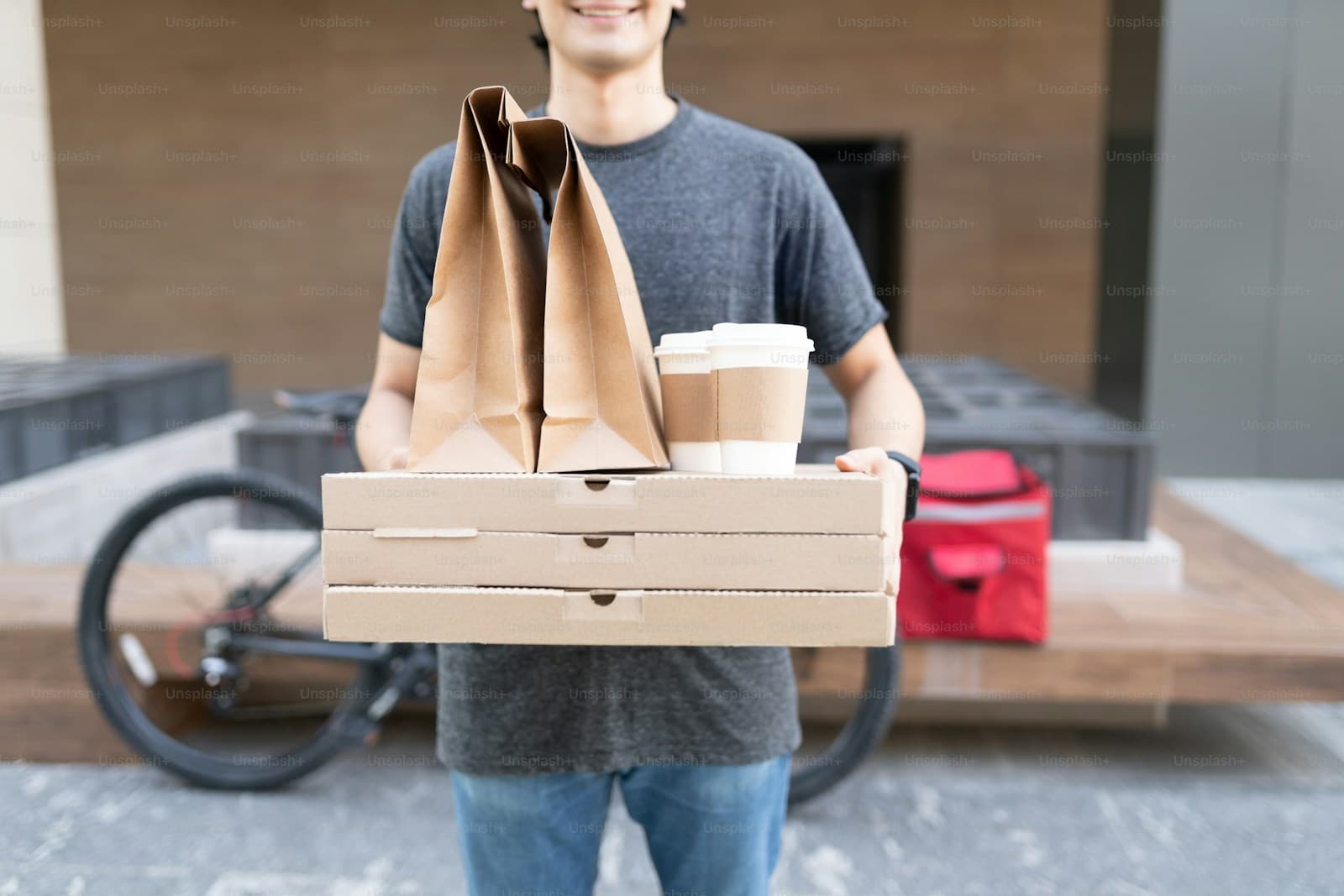
A DUI conviction ends your eligibility for most rideshare and delivery platforms immediately, even with SR-22 filing. Here's what each platform requires and which ones still accept drivers after a conviction.
Why Your DUI Disqualifies You From Uber and Lyft Immediately
Uber and Lyft both run annual motor vehicle record checks and maintain a 7-year lookback window for major violations. A DUI conviction triggers immediate deactivation, even if you filed SR-22, completed court requirements, and reinstated your license. The platforms classify DUI as a major moving violation that disqualifies you from passenger transport for the full 7-year period from conviction date.
Neither platform distinguishes between first-offense standard DUI and aggravated DUI. Both result in the same permanent deactivation. Lyft's published driver requirements state "no DUI or other drug-related driving violations in the past 7 years," and Uber's policy mirrors this exactly. Your SR-22 filing proves you carry insurance, but it does not erase the conviction from your MVR.
Some North Dakota drivers attempt reapplication after license reinstatement assuming SR-22 compliance satisfies platform requirements. It does not. The conviction remains visible on your MVR for 7 years in North Dakota, and both platforms access this record through third-party background check providers like Checkr. Reapplying before the 7-year mark results in automatic denial at the MVR review stage.
Food Delivery Platforms That Still Accept DUI Convictions
DoorDash, Instacart, and Grubhub maintain more lenient driver acceptance policies than rideshare platforms because they classify as delivery services, not passenger transport. DoorDash runs a 7-year MVR check but evaluates DUI convictions case-by-case rather than applying automatic rejection. Drivers with a single first-offense DUI conviction more than 3 years old and no other major violations frequently pass DoorDash approval, especially if SR-22 filing and license reinstatement are complete.
Instacart applies a 5-year lookback window for DUI convictions and accepts drivers with a single offense if more than 5 years have passed since conviction date. Grubhub uses a similar 5-year threshold but adds a secondary requirement: proof of continuous insurance coverage with no lapses in the 12 months prior to application. Your SR-22 filing satisfies this if maintained without interruption.
Amazon Flex maintains the strictest food delivery policy and mirrors Uber's 7-year automatic rejection rule. Walmart Spark accepts drivers with DUI convictions older than 5 years but requires SR-22 documentation at time of application if your filing period is still active. Approval is not guaranteed and varies by regional demand.
Find out exactly how long SR-22 is required in your state
SR-22 Filing Requirements North Dakota Platforms Verify
North Dakota requires SR-22 filing for 3 years following DUI conviction, measured from the date your license is reinstated, not the conviction date itself. Every rideshare and delivery platform that accepts post-DUI drivers verifies active SR-22 status during onboarding and at annual renewal. Your insurance carrier electronically files your SR-22 certificate with the North Dakota Department of Transportation, and platforms access this filing status through MVR checks.
If your SR-22 lapses for any reason during your 3-year filing period, the NDDOT suspends your license again within 10 days. Platform background check systems flag this suspension immediately, triggering deactivation even if you were previously approved. Maintaining continuous SR-22 coverage without a single lapse is mandatory for staying active on any delivery platform that accepted your application post-DUI.
DoorDash and Instacart both require uploaded proof of insurance showing SR-22 endorsement at time of application. Grubhub requests this documentation only if your MVR shows an active filing requirement. None of these platforms accept non-owner SR-22 policies because delivery requires regular vehicle access. You must carry owner-operator SR-22 coverage on the vehicle listed in your platform application.
What Platforms Pay After DUI Compared to Standard Rates
Drivers who qualify for DoorDash or Instacart after DUI conviction earn base rates 30–50% lower than Uber or Lyft drivers in the same North Dakota market. DoorDash pays $2.50–$6.00 per delivery in Fargo and Bismarck markets, compared to Uber's $8.00–$15.00 per ride average. Instacart batch payments range from $7.00–$12.00 for single-store orders, with higher-paying batches prioritized to drivers with longer platform tenure and higher acceptance rates.
Grubhub operates a tiered scheduling system that gives priority block access to drivers with the highest acceptance and completion metrics. New drivers with recent DUI convictions receive access to leftover delivery windows only, which average 40% fewer orders per scheduled hour than priority blocks. This metric penalty typically lasts 90–120 days from activation date.
Most post-DUI drivers working delivery platforms in North Dakota report earning $12–$18 per active hour after subtracting mileage costs, compared to $20–$28 per hour that rideshare drivers average during the same peak windows. The income gap reflects both lower base pay and reduced order volume for newer drivers still building platform metrics.
How Annual Background Checks Trigger Deactivation Years Later
Every gig platform runs annual MVR checks on active drivers, and a DUI conviction that occurs while you're already driving triggers immediate deactivation. This catches North Dakota drivers who receive a second DUI years after their first approval. Platforms do not grandfather existing drivers — the annual check applies the same 5-year or 7-year lookback policy as initial onboarding.
DoorDash and Instacart both email deactivation notices within 48 hours of the annual background check identifying a new major violation. Neither platform offers appeals for DUI-related deactivations. If your conviction falls outside the platform's published lookback window at the time of your next annual check, reactivation may be possible, but you must initiate the request manually through driver support.
Some drivers assume that maintaining perfect delivery metrics or high customer ratings protects against deactivation after a new violation. It does not. MVR violations trigger automatic removal regardless of performance history. Your SR-22 filing in North Dakota does not appear as a violation itself, but the underlying DUI conviction that triggered the filing requirement does.
Alternative Gig Work That Accepts Post-DUI Drivers Immediately
Roadie, GoShare, and Dolly focus on furniture and large-item delivery and maintain no specific DUI lookback policies. These platforms verify that you hold a valid driver's license and active insurance but do not run detailed MVR checks during onboarding. Your North Dakota SR-22 filing satisfies insurance requirements as long as the policy covers the vehicle you use for deliveries.
TaskRabbit and Handy accept service providers for non-driving tasks and run criminal background checks but do not access motor vehicle records. Moving assistance, furniture assembly, and home cleaning gigs posted on these platforms generate income while your DUI conviction ages past the 5-year or 7-year thresholds required by food delivery apps.
Shipt runs a 7-year MVR check identical to Uber and Lyft and auto-rejects DUI convictions within that window. Point Pickup and Burq both accept drivers with single DUI convictions older than 3 years and do not require SR-22 documentation upload during application, though your insurance must meet North Dakota state minimum liability requirements of 25/50/25.