You have a DUI conviction and an SR-22 requirement in Minnesota. You also need income now. Here's what Uber, Lyft, DoorDash, and Instacart actually require, how long you're barred, and which platforms are most likely to clear you.
Minnesota Platform Requirements After a DUI Conviction
Minnesota DUI convictions trigger mandatory SR-22 filing, license suspension or revocation, and waiting periods that directly conflict with gig platform background check policies. Most major platforms enforce a 7-year lookback from conviction date for DUI offenses, but the actual barrier is shorter if you understand how conviction class and compliance milestones interact with their approval process.
Uber and Lyft both run annual background checks through Checkr or HireRight that flag any DUI conviction within 7 years, any felony DUI permanently, and any active license suspension or restriction. Minnesota categorizes DUI convictions into four classes: first-offense misdemeanor (0.08–0.15 BAC, no aggravating factors), gross misdemeanor (0.16+ BAC, prior within 10 years, or refusal), enhanced gross misdemeanor (third offense within 10 years), and felony (fourth offense or injury). Each carries different SR-22 filing periods and reinstatement timelines that determine when you can realistically apply.
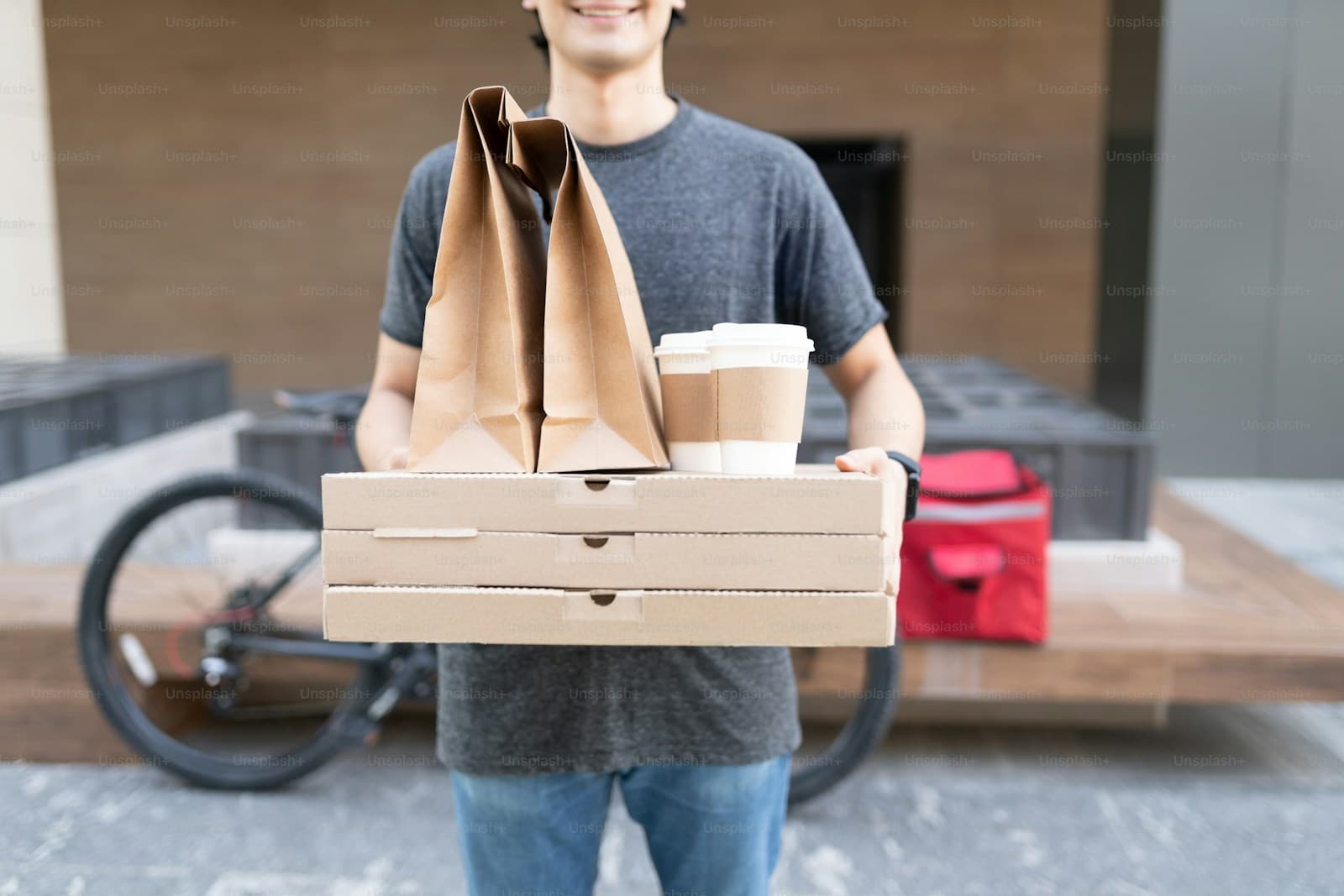
Delivery platforms like DoorDash, Instacart, Amazon Flex, and Grubhub generally allow a 7-year lookback as well, but food delivery roles have slightly more approval flexibility than passenger transport because they don't fall under transportation network company (TNC) insurance regulations. DoorDash and Instacart have approved drivers 3–5 years post-conviction if the SR-22 is filed, license is fully reinstated without restriction, and no additional violations appear on the driving record. That distinction matters if you need income before the 7-year mark.
How Long Minnesota Requires SR-22 After a DUI
Minnesota does not have a single statutory SR-22 duration for DUI. Your filing period is set by the court order or DMV reinstatement letter, and most drivers file longer than legally required because they misread the start date or don't confirm the end date with the DVS.
First-offense misdemeanor DUI typically requires 1 year of SR-22 filing from the date of license reinstatement, not conviction date. Gross misdemeanor DUI (0.16+ BAC or refusal) typically requires 2–3 years. Enhanced gross misdemeanor and felony DUI convictions can require 3–6 years depending on sentencing. The Minnesota Driver and Vehicle Services (DVS) letter you receive after completing DUI education and paying reinstatement fees will state your exact SR-22 period.
The filing period does not begin until your license is reinstated and an SR-22 is on file. If you delay filing, you delay eligibility for gig platforms that require full license reinstatement. If your SR-22 lapses even one day during the required period, Minnesota treats it as a new violation and resets your filing clock to zero in most cases. Maintain continuous coverage through a non-standard carrier like The General, Bristol West, or Direct Auto that specializes in DUI-SR-22 policies.
Find out exactly how long SR-22 is required in your state
Which Platforms Allow Drivers During the SR-22 Period
No rideshare platform allows active driving while your license is suspended, restricted, or under ignition interlock device (IID) requirement. Once your license is fully reinstated and the SR-22 is filed, the platform's background check determines approval based on time elapsed since conviction.
Uber enforces a strict 7-year lookback for any DUI conviction. Lyft mirrors this policy. Neither platform distinguishes between first-offense misdemeanor and gross misdemeanor DUI in their published guidelines, but manual review appeals have resulted in earlier approvals for drivers 4–5 years post-conviction who completed treatment, maintained clean records, and can document SR-22 compliance. You must request manual review through the platform's support channel after receiving an automated denial — most drivers never do this and assume the rejection is final.
DoorDash, Instacart, and Amazon Flex run the same 7-year background check window, but food and package delivery approvals are more common at the 3–5 year mark because these platforms are not subject to TNC insurance underwriting rules that apply to passenger transport. Grubhub has approved drivers as early as 2 years post-conviction in markets with driver shortages, though this is not policy and varies by region. Shipt enforces the full 7-year window with limited exceptions.
All platforms require proof of insurance that meets Minnesota minimum liability limits: $30,000 bodily injury per person, $60,000 per accident, and $10,000 property damage. Your SR-22 carrier provides this proof, but you must upload it to the platform during onboarding. If your SR-22 lapses during your active driving period, the platform receives notification from the state within 10 days and deactivates your account immediately.
Cost of SR-22 Insurance for Rideshare or Delivery in Minnesota
Minnesota DUI-SR-22 insurance for rideshare or delivery driving costs more than standard personal auto coverage because you need both SR-22 endorsement and commercial use endorsement or rideshare coverage add-on. Most mainstream carriers like State Farm and Geico will file SR-22 for existing customers but non-renew at term and do not offer rideshare endorsements for DUI drivers.
Non-standard carriers that write DUI-SR-22 policies in Minnesota charge approximately $180–$280/mo for state minimum liability with SR-22 filing. Adding a rideshare endorsement (required for Uber and Lyft) increases premiums by an additional $40–$80/mo depending on the carrier and your driving history. Total monthly cost for SR-22 rideshare coverage typically ranges $220–$360/mo during the first year post-reinstatement, dropping 15–25% in year two if no new violations occur.
Delivery-only coverage (DoorDash, Instacart) does not always require a commercial endorsement if you carry higher liability limits. Some non-standard carriers allow personal-use SR-22 policies with increased limits ($100,000/$300,000/$50,000) to satisfy delivery platform requirements without a commercial rider, reducing cost to $200–$290/mo. Confirm coverage with your carrier before activating on any platform — operating without proper endorsement voids your policy and cancels your SR-22 filing.
Estimates based on available industry data; individual rates vary by conviction class, age, vehicle, coverage selections, and ZIP code within Minnesota.
What Happens If Your SR-22 Lapses While Driving for a Platform
If your SR-22 insurance lapses while you are actively approved to drive for Uber, Lyft, DoorDash, or any other platform, Minnesota DVS notifies the platform within 10 business days. The platform deactivates your account immediately, and you cannot reactivate until you file a new SR-22 and provide proof of continuous coverage going forward.
Minnesota treats SR-22 lapses during the required filing period as a new violation. Your license is suspended again, and in most cases your SR-22 filing period resets to the original duration from the new reinstatement date. If you were 18 months into a 2-year filing requirement and your policy lapses, you do not resume at 18 months — you start a new 2-year period once reinstated.
To prevent lapses, set up automatic payment with your SR-22 carrier and request email or SMS notification 30 days before your renewal date. Non-standard carriers like Bristol West and The General offer SR-22 lapse protection programs that provide a 10-day grace period and immediate notification if payment fails. Most platforms do not forgive SR-22 lapses even if you refile quickly — your account remains deactivated until DVS confirms continuous coverage is restored, which can take 15–30 days depending on processing time.
Alternatives If You Cannot Drive Rideshare or Delivery Yet
If you are still within the 7-year lookback window or your license is not fully reinstated, gig platforms that do not require driving are immediate income options. Instacart allows in-store shopper roles (no vehicle required) with no DUI restriction. TaskRabbit, Handy, and Thumbtack allow service gigs (cleaning, furniture assembly, yard work) that do not trigger vehicle-based background checks.
Once your license is reinstated and SR-22 is filed, food delivery platforms are the fastest approval path. DoorDash and Grubhub process background checks in 3–7 business days and have the highest early-approval rate for drivers 3–5 years post-conviction. Apply to multiple platforms simultaneously — approval is not guaranteed, but denial from one platform does not affect your eligibility with another.
If you need a vehicle for work but cannot drive rideshare, consider delivery roles that allow bicycle or scooter use in urban markets. DoorDash, Uber Eats, and Grubhub all support bike delivery in Minneapolis and St. Paul, and these roles do not require a driver's license or SR-22 filing. Income is lower per hour than car-based delivery, but it removes the insurance and background check barriers entirely while you complete your SR-22 period.