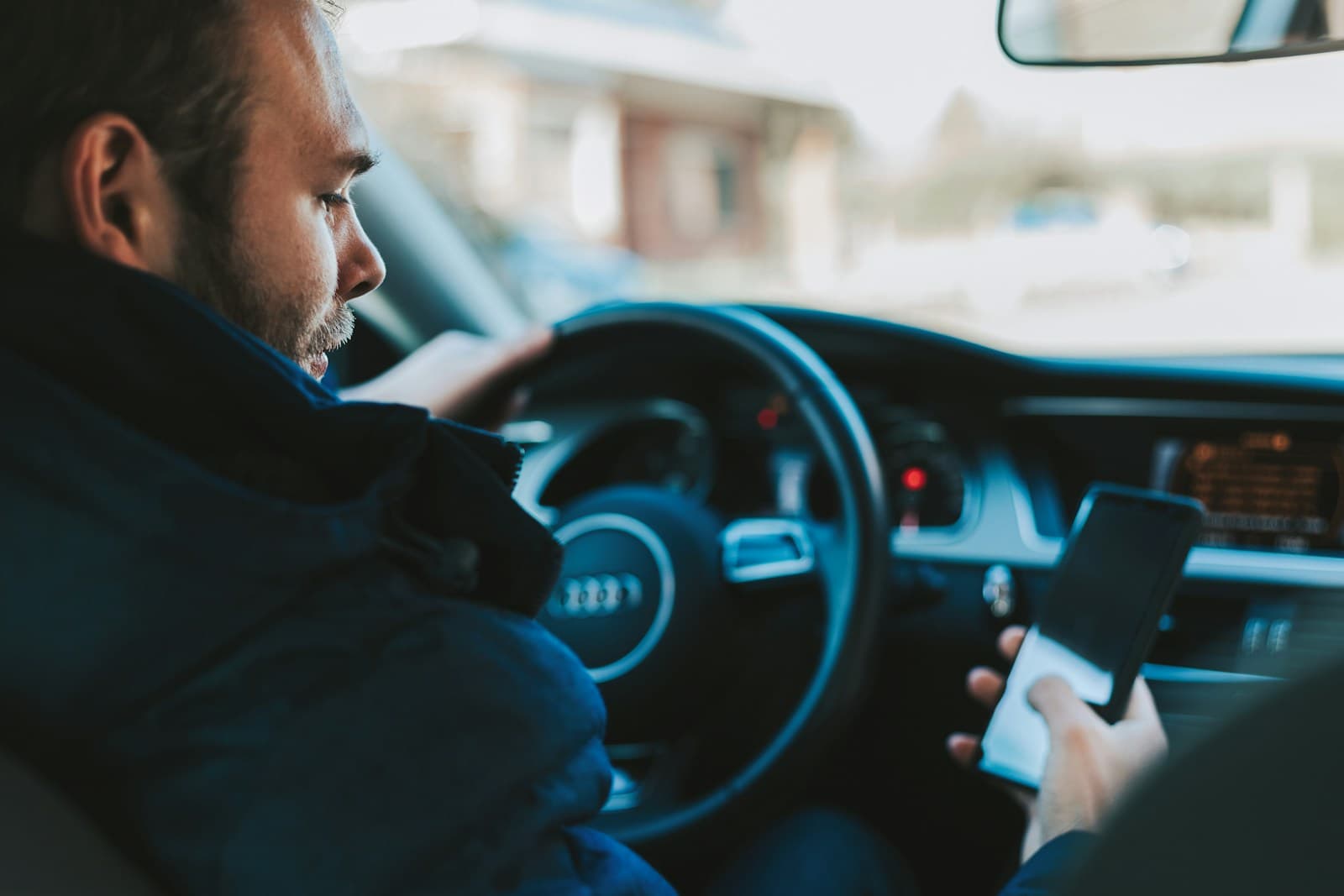
Uber and Lyft permanently ban DUI convictions regardless of your SR-22 filing. Delivery platforms vary — some check 3 years back, others 7. Here's which ones will actually approve you in New Hampshire and when to apply.
Why Uber and Lyft Reject All DUI Drivers in New Hampshire
Uber and Lyft enforce permanent DUI disqualification regardless of conviction date, SR-22 compliance, or license reinstatement status. Both platforms run continuous annual background checks through Checkr that flag all DUI convictions on your New Hampshire driving record with no expiration window. Your SR-22 filing proves financial responsibility to the state DMV, but it does not remove the conviction from your Motor Vehicle Record — and that conviction is what triggers the platform denial.
New Hampshire categorizes DUI as Driving While Intoxicated (DWI) under RSA 265-A:2, with convictions remaining visible on your MVR for 10 years. Even a first-offense DWI with no aggravating factors produces a permanent Uber/Lyft ban because both companies classify DUI as a Major Moving Violation under their Driver Requirements policy. Completing your 3-year SR-22 filing period does not change this — the conviction stays on record long after your filing obligation ends.
This creates a compliance gap that frustrates most drivers: you can reinstate your license, maintain SR-22, drive legally, and still never qualify for rideshare. The platform ban is corporate policy, not state law. New Hampshire DMV does not prohibit DUI drivers from working rideshare after reinstatement, but the platforms themselves do.
Which Delivery Platforms Run 3-Year Background Checks
DoorDash, Grubhub, and Instacart use 7-year lookback windows through Checkr for most states, but New Hampshire follows the federal FCRA 7-year reporting limit for non-conviction records and unlimited reporting for convictions. Your DUI conviction appears indefinitely. However, DoorDash historically approves first-offense DUI drivers after 3 years from conviction date if no additional violations exist and your license is fully reinstated with active SR-22 on file.
Instacart applies a similar 3-year soft threshold for non-aggravated DUI but requires clean driving for the 36 months preceding application — any additional moving violations during that window trigger denial. Grubhub denies most DUI applicants outright but occasionally approves drivers 5+ years post-conviction in rural markets with driver shortages. None of these platforms publish formal DUI acceptance policies, so approval outcomes vary by market demand and individual record review.
Amazon Flex runs the strictest delivery background check in New Hampshire: 10-year lookback for major violations including DUI, with automatic denial for any DUI within that window. Postmates (now Uber Eats) follows Uber's parent-company DUI ban policy. Shipt denies DUI convictions within 7 years but may consider older convictions case-by-case.
Find out exactly how long SR-22 is required in your state
When Your SR-22 Filing Period Ends vs When Platforms Accept You
New Hampshire requires 3-year SR-22 filing for DUI convictions starting from your license reinstatement date under RSA 264:24. Most first-offense DWI drivers complete SR-22 filing 3 years after reinstatement, but platform eligibility windows calculate differently — they measure from conviction date, not reinstatement date. If your license was suspended 6 months before reinstatement, your SR-22 filing ends 3.5 years post-conviction, but DoorDash's 3-year DUI window already expired 6 months earlier.
This timing mismatch matters because you cannot apply to delivery platforms until your license is reinstated and SR-22 is active, but by that point you may have already passed the platform's DUI lookback threshold. The optimal application window for DoorDash and Instacart opens 3–4 years post-conviction once your SR-22 is established and your conviction exits their acceptance window. Applying earlier wastes the background check and produces a denial that delays reapplication 6–12 months depending on platform policy.
Track both timelines separately: your state-mandated SR-22 filing period (3 years from reinstatement) and the platform DUI lookback period (3–7 years from conviction). The gap between these determines when you qualify for delivery work. Most drivers discover this only after denial.
How Background Check Companies Report New Hampshire DUI
Checkr, the dominant background check vendor for gig platforms, pulls New Hampshire driving records directly from the NH DMV Driver History database. Your DWI conviction appears as a Major Moving Violation with conviction date, BAC if recorded, and any license suspension period. Checkr flags DUI convictions with no time decay — a 10-year-old DUI carries the same Major Violation code as a 1-year-old DUI in their system.
Platforms apply their own acceptance criteria to Checkr's raw data. A conviction coded as Major Violation triggers automatic Uber/Lyft denial but gets routed to manual review at DoorDash if it falls outside their 3-year threshold. This is why two drivers with identical DUI convictions receive different platform decisions — the background check report is identical, but platform review processes differ.
SR-22 filing status does not appear on Checkr background checks because it is an insurance certificate, not a driving record entry. Platforms see your DUI conviction and license reinstatement date but not your SR-22 compliance. This is why maintaining SR-22 does not improve platform approval odds — it satisfies state requirements but provides no signal to the background check system that evaluates your gig work eligibility.
What Happens If You Drive Rideshare With SR-22 and Get Caught
New Hampshire law does not prohibit SR-22 drivers from working rideshare or delivery — your SR-22 proves you carry the state-required liability minimums ($25,000 per person, $50,000 per accident, $25,000 property damage under RSA 264:24). The legal barrier is platform policy, not state DMV rules. If you bypass platform background checks or use someone else's account to drive, you create three separate violations.
First, you violate the platform's Terms of Service, which permits immediate deactivation and potential fraud charges if you misrepresented your identity or driving record. Second, you operate without commercial rideshare insurance — your personal SR-22 policy does not cover paying passengers, leaving you personally liable for all damages in any accident. Third, if law enforcement discovers the account mismatch during a traffic stop, you face potential charges for operating a commercial vehicle without proper credentials.
New Hampshire does not require special rideshare endorsements on your driver license, but insurers require Transportation Network Company (TNC) coverage or commercial policies for rideshare activity. Standard SR-22 non-owner or owner-operator policies explicitly exclude commercial use. If you cause an accident while driving rideshare on an SR-22 policy, your insurer denies the claim, the platform denies coverage because you violated Terms of Service, and you absorb all liability personally — often $100,000+ for injury accidents.
Insurance Coverage Gaps Between SR-22 and Delivery Platform Requirements
SR-22 is a certificate proving you carry state minimum liability, not a separate insurance product. Your underlying policy — typically non-owner SR-22 if you don't own a vehicle, or owner SR-22 if you do — must extend coverage to delivery activity or you drive uninsured during platform work. Most non-standard SR-22 insurers (The General, Direct Auto, Dairyland, GAINSCO) exclude commercial use in their base policies.
Delivery platforms provide contingent liability coverage only while you are actively transporting an order with the app engaged. DoorDash and Instacart provide $1 million liability during active delivery but zero coverage while you are waiting for orders or driving between deliveries. If you cause an accident during downtime, your personal SR-22 policy must respond — but if that policy excludes commercial use, you have no coverage.
Some non-standard insurers offer Commercial Use endorsements for delivery drivers at 20–40% premium increase over standard SR-22 rates. Progressive and National General occasionally write these policies for DUI drivers 3+ years post-conviction. Expect $180–$240/month for SR-22 + commercial delivery endorsement in New Hampshire compared to $110–$150/month for standard SR-22 alone. Driving delivery without this endorsement leaves you functionally uninsured regardless of SR-22 compliance.
Realistic Income Timeline for DUI Drivers Returning to Gig Work
Most New Hampshire DUI drivers cannot access any gig platform income for 3–4 years post-conviction. Year one you are completing license suspension and establishing SR-22. Year two you are maintaining SR-22 and rebuilding clean driving history. Year three your conviction exits DoorDash and Instacart's acceptance windows, making you eligible for delivery work if you maintained a clean record during SR-22 filing.
DoorDash approval after 3 years typically allows 15–25 hours weekly delivery in Manchester, Nashua, or Concord markets at $16–$22/hour after expenses. This assumes you own or have access to a vehicle with commercial-use insurance coverage. Non-owner SR-22 drivers cannot work delivery platforms because all delivery requires a vehicle — there is no bike/pedestrian delivery option in New Hampshire's suburban-sprawl geography.
Rideshare income remains permanently inaccessible unless Uber or Lyft change their lifetime DUI ban policies, which neither company has signaled intent to do. The 3-year delivery platform window is the only gig economy path available to New Hampshire DUI drivers, and even that requires clean driving, active SR-22, proper commercial insurance, and applying during the narrow eligibility window after your conviction ages past platform lookback thresholds but before it reaches the 10-year mark that triggers re-evaluation at some platforms.