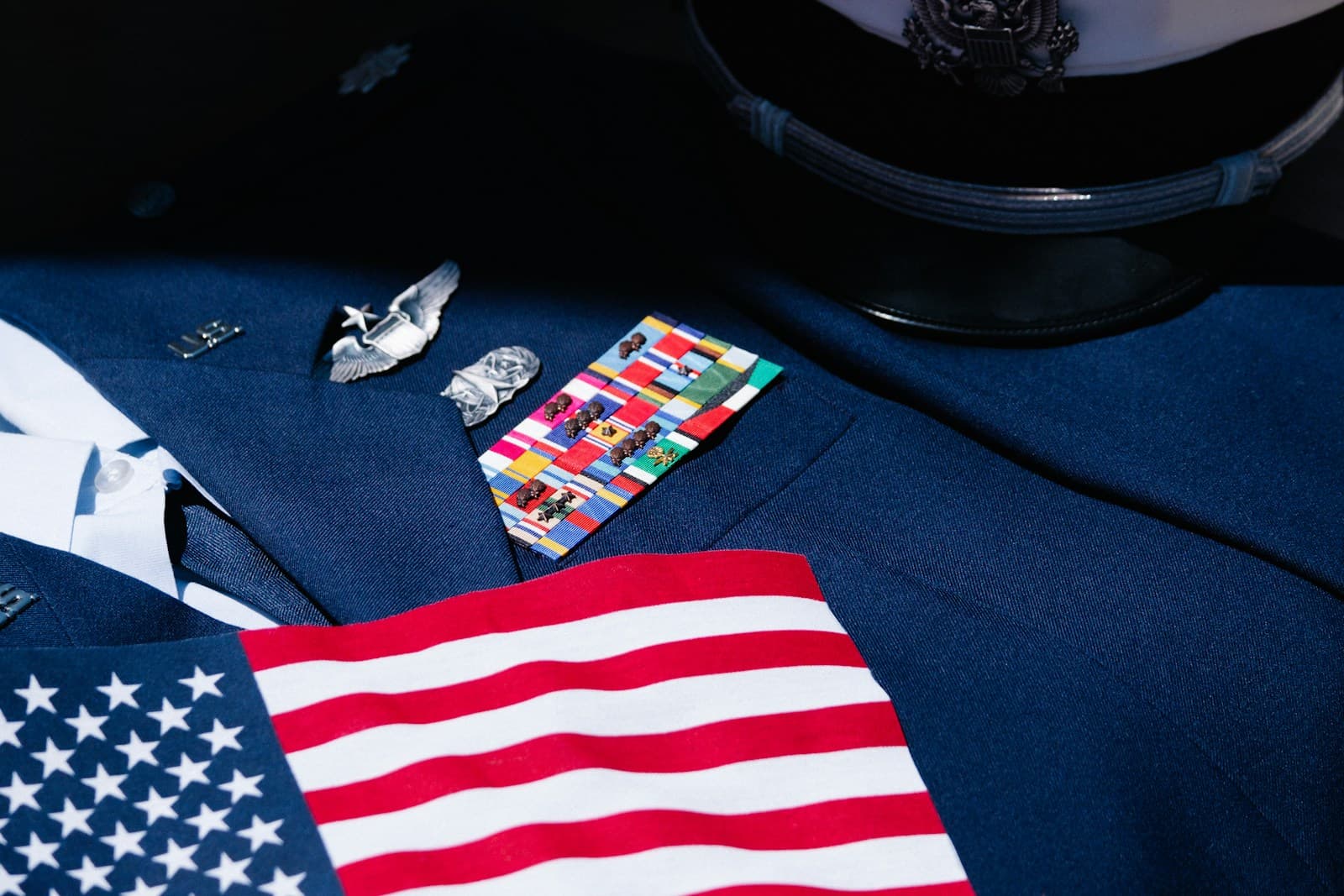
A DUI in Washington DC triggers SR-22 filing through civilian DMV and separate military administrative action that can revoke your base access credential before your civilian license is even reinstated.
How a DC DUI Triggers Two Separate Compliance Tracks for Military Members
A DUI conviction in Washington DC creates parallel compliance obligations that operate on different timelines and under different authorities. DC DMV requires SR-22 filing for 3 years from your reinstatement date, not your conviction date — a critical distinction that extends your filing period longer than most civilians realize. Your civilian insurance carrier files the SR-22 with DC DMV once you secure non-standard coverage, typically within 30 days of conviction to avoid additional suspension time.
Your installation security office runs a separate process. Most bases conduct periodic background checks that flag DUI convictions within 30-90 days of adjudication. The administrative action — counseling, written reprimand, or Common Access Card (CAC) suspension — proceeds independently of your DC DMV reinstatement. A service member can have valid SR-22 filing, reinstated civilian driving privileges, and still face base access denial because the two systems do not synchronize.
This creates a employment continuity problem that civilian DUI guides never address. You may regain legal driving status in DC while simultaneously losing the credential required to report for duty. The SR-22 filing satisfies DC law but does nothing to preserve your installation access.
What DC DMV Requires for SR-22 Filing After DUI
DC DMV suspends your license immediately upon DUI conviction. Reinstatement requires SR-22 filing, completion of a Risk Reduction Program (DC's mandatory DUI education course), payment of a $100 reinstatement fee, and proof of enrollment in or completion of any court-ordered substance abuse treatment. The SR-22 filing period begins the day DC DMV processes your reinstatement application, not the day you were convicted or the day your suspension started.
Most service members miscalculate their filing end date by 6-18 months because they count from conviction. If your conviction occurred January 2023, your suspension lasted 6 months, and you reinstated in July 2023, your SR-22 filing runs through July 2026 — not January 2026. Missing this timeline difference causes lapses that reset your entire filing period to zero.
DC requires minimum liability limits of 25/50/10 ($25,000 per person injury, $50,000 per accident injury, $10,000 property damage). Your SR-22 carrier — typically a non-standard insurer like Dairyland, Direct Auto, or GAINSCO — files Form FR-1 electronically with DC DMV. If your policy lapses even one day during the 3-year period, DC DMV receives automatic notification and re-suspends your license within 10 days.
Find out exactly how long SR-22 is required in your state
How Base Access Revocation Works Independently of SR-22 Compliance
Installation access credentials operate under DOD policy, not state DMV rules. Your command and installation security office receive DUI conviction notifications through multiple channels: local police reports shared with military police, NCIC database flags during periodic reinvestigations, and self-reporting requirements under UCMJ Article 134. Most bases require service members to report DUI arrests within 72 hours and convictions within 7 days.
The administrative action timeline varies by service branch and installation. Navy and Marine Corps bases typically convene a preliminary review within 30 days of notification. Army and Air Force installations often incorporate DUI review into existing security clearance continuous evaluation programs. A first-offense DUI with BAC below 0.15 usually results in mandatory counseling and a written reprimand without CAC suspension. BAC above 0.15, refusal to test, or DUI with minor in vehicle typically triggers immediate CAC suspension pending formal administrative board review.
CAC suspension means loss of unescorted base access. You cannot drive onto the installation, cannot access your workplace, and cannot perform duties requiring physical presence in secure areas. Remote work or escorted access may continue depending on your unit's mission requirements and your commander's discretion, but these are accommodations, not entitlements. Your SR-22 filing status with DC DMV has zero bearing on the CAC suspension decision — that review focuses on trustworthiness and judgment under military standards, not civilian driving privileges.
Which Insurance Carriers Write SR-22 Policies for Military Members After DUI
Most major carriers that serve military members — USAA, Navy Federal, Armed Forces Insurance — will file SR-22 for existing policyholders but non-renew at the end of your current policy term. USAA's DUI non-renewal policy became uniform across all states in 2019. If your policy renews 4 months after conviction, you'll have SR-22 coverage through that term, then receive non-renewal notice 30-60 days before expiration.
Non-standard carriers accept new DUI-SR-22 policies but availability in DC is limited. Dairyland, Direct Auto, and GAINSCO write DC policies for military members with DUI convictions. Monthly premiums typically range from $180-$340 depending on BAC level, whether you refused testing, and whether aggravating factors (accident, injury, minor in vehicle) were present. A standard first-offense DUI with BAC 0.08-0.14 and no accident typically costs $210-$260/mo for DC minimum liability limits with SR-22 filing.
Bristol West and The General write DC non-standard policies but have inconsistent appetite for military insureds with DUI — some underwriters approve, others decline based on duty station permanence. If you're on temporary orders in DC or PCS within 12 months, expect higher declination rates. Acceptance Insurance and Safe Auto both write DC but require 6 months elapsed time from conviction before issuing new policies, which creates a gap problem if your current carrier non-renews earlier.
The Gap Between Civilian Reinstatement and Military Employment Access
You can complete every DC DMV requirement — SR-22 filing, Risk Reduction Program, reinstatement fees, valid insurance — and still be unable to report for duty because your CAC remains suspended. This gap is invisible to civilian DUI resources and creates a secondary compliance clock most service members don't anticipate.
CAC reinstatement after DUI requires completion of military-specific requirements that have no civilian equivalent. Most installations require documented completion of ASAP (Army Substance Abuse Program), NADAP (Navy Drug and Alcohol Program), or equivalent service branch counseling. You must provide proof of completion to your security manager, who then submits a reinstatement request to the installation access control office. Processing time varies from 15-60 days depending on installation and whether your DUI involved aggravating factors.
The practical result: many service members regain DC driving privileges 30-90 days before base access is restored. If you commute from off-base housing and your duty location requires CAC access, you're legally permitted to drive in DC but functionally unable to work. Some commands arrange escorted access or temporary remote duty during this gap, but those accommodations depend entirely on your unit's mission requirements and your commander's willingness to manage the administrative burden. No regulation requires it.
What Happens If You PCS While SR-22 Filing Is Active
DC's 3-year SR-22 filing requirement follows you to your new duty station, but the mechanics change based on your new state's rules. If you PCS to a state that also requires SR-22 for DUI (most states do), you'll need to transfer your filing to that state's DMV within 30 days of establishing residency. Your non-standard carrier files a new SR-22 in the new state and cancels the DC filing. The 3-year clock does not reset — it continues from your original DC reinstatement date.
If you PCS to a state with shorter SR-22 filing periods (Georgia requires 3 years, but Tennessee requires only 3 years for first offense, while Kentucky requires 2 years), you're still bound by DC's 3-year requirement because that's where the conviction occurred. The receiving state honors the originating state's filing period. You cannot shorten your SR-22 obligation by moving.
Some service members PCS to states with no SR-22 requirement at all (Florida and Virginia use FR-44 instead, not SR-22). If you move to Florida or Virginia, your DC DUI conviction typically does not trigger FR-44 filing because those states only require FR-44 for in-state DUI convictions. But DC still requires you to maintain SR-22 filing for the full 3-year period even if you're no longer a DC resident. You'll need a non-owner SR-22 policy that files with DC DMV while you maintain a separate standard policy in your new state — doubling your insurance expense.
How to Navigate Both Compliance Systems Simultaneously
Secure non-standard SR-22 insurance within 15 days of conviction to minimize additional suspension time. Contact Dairyland, Direct Auto, or GAINSCO directly rather than using aggregators — non-standard carriers often decline leads from comparison sites because the referral fees cut into already-thin underwriting margins for high-risk policies. Request immediate SR-22 electronic filing with DC DMV and confirm filing receipt within 3 business days.
Self-report your DUI conviction to your chain of command within the timeframe specified by your service branch — typically 72 hours for arrest, 7 days for conviction. Late reporting or failure to report discovered during background checks results in separate UCMJ charges that compound your administrative consequences. Request written confirmation that you've met the reporting requirement and retain it in your personal records.
Enroll in your service branch's substance abuse program immediately, even before your command directs it. Voluntary enrollment demonstrates mitigation and often accelerates CAC reinstatement review. Complete all counseling sessions, obtain your program completion certificate, and provide copies to both your chain of command and your installation security manager. Track both compliance timelines separately — your SR-22 filing period with DC DMV and your CAC reinstatement process with your installation. The two systems will not synchronize, and neither authority monitors the other's requirements on your behalf.