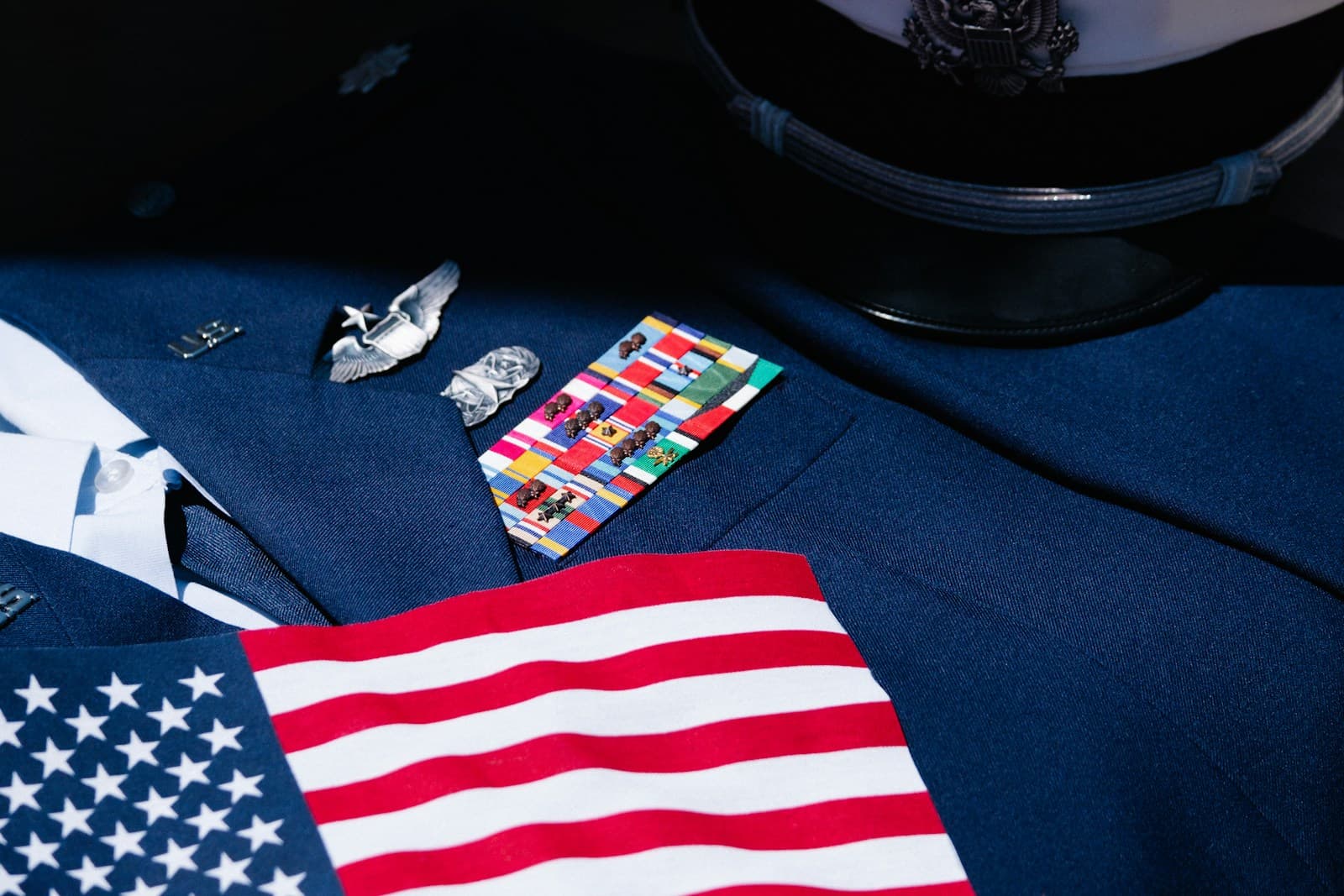
If you received a DUI while deployed and listed a DC address, your SR-22 filing period and insurance requirements depend on where the conviction was recorded and where your license is issued.
Where Your DUI Was Recorded Determines Your SR-22 Filing State
The court that processed your DUI conviction controls where you file SR-22, not where you're stationed or where your orders list your home of record. If you were convicted in Virginia while deployed from a DC address, Virginia sets your filing period and requirements. If the conviction went through a military court-martial, the state where the incident occurred typically receives the conviction record and triggers DMV action there.
DC does not issue SR-22 certificates because it has no FR-44 or SR-22 requirement for DUI convictions. DC requires all drivers to carry minimum liability coverage but does not mandate a certificate filing system. If your license is DC-issued and your conviction was in another state, that state will require SR-22 filing to reinstate your driving privileges there, but DC itself will not require a certificate.
Most military personnel discover this gap when they call their insurer after conviction. The carrier asks where the DUI was recorded, not where you're stationed. That state's DMV issues the suspension notice and the SR-22 filing instructions. Your DC license status does not exempt you from out-of-state filing requirements if the conviction happened elsewhere.
DC License Holders Face Out-of-State Filing Requirements After Deployment DUI
If you hold a DC driver's license and received a DUI in another state during deployment, that state's DMV will suspend your driving privileges in their state and require SR-22 filing as a condition of reinstatement. The Interstate Driver's License Compact ensures DC receives notice of your out-of-state conviction, which can trigger additional penalties on your DC license even though DC does not require SR-22.
Virginia and Maryland are the most common conviction states for DC-based military personnel. Virginia requires 3 years of FR-44 filing (not SR-22) for DUI convictions. Maryland requires 3 years of SR-22 filing for most first-offense DUIs. If you were convicted in either state, you must file the required certificate in that state to regain driving privileges there, and you may face a separate DC license suspension based on the conviction notification.
Carriers licensed in DC will file SR-22 in other states for DC license holders, but availability is limited. Bristol West, Dairyland, and The General write non-standard policies for DC-licensed drivers with out-of-state DUI convictions. Expect monthly premiums between $180 and $320 for minimum liability coverage with SR-22 filing in the conviction state. Most mainstream carriers non-renew DC policies at term after receiving notice of an out-of-state DUI.
Find out exactly how long SR-22 is required in your state
Filing Period Start Date Confusion for Deployed Personnel
Your SR-22 filing period starts on the date specified in your conviction state's reinstatement order, not your conviction date or your deployment end date. Most states calculate the filing period from your license reinstatement date, which means time spent on suspension does not count toward your required filing period. If you received a 90-day suspension and a 3-year SR-22 requirement, your 3-year clock starts after the suspension ends and you file SR-22.
Military deployment does not pause your filing period in most states. If your reinstatement date falls during deployment and you do not file SR-22, your license remains suspended and your filing clock does not start. Some states allow military personnel to request a stay of suspension during deployment, but this extends your filing start date to your return, not your conviction date.
Virginia and Maryland both measure FR-44 and SR-22 filing from reinstatement date, not conviction date. If you were convicted in January, suspended for 90 days, and reinstated in April, your 3-year filing period runs from April to April three years later. Returning from deployment in June does not reset this timeline. Missing the April reinstatement window means your suspension continues indefinitely until you file and pay reinstatement fees.
Non-Standard Carrier Availability for Military Personnel With DC Addresses
Most non-standard carriers that write SR-22 policies restrict coverage for military personnel based on deployment frequency and vehicle storage location. If your vehicle is stored off-base during deployment, carriers require comprehensive and collision coverage in addition to SR-22 liability filing, which increases monthly premiums to $240–$380 for minimum state limits plus full coverage on a financed vehicle.
Dairyland and The General write policies for active-duty personnel with recent DUI convictions and accept DC addresses with out-of-state SR-22 filing requirements. Bristol West and GAINSCO accept military applicants but require proof of stateside assignment at policy inception. Progressive and Geico will file SR-22 for existing military customers but typically non-renew at the first term after DUI conviction notice.
If you're deployed and need SR-22 filed immediately to meet a court deadline, most carriers allow a family member with power of attorney to bind coverage and request SR-22 filing on your behalf. The policy must list you as the named insured and primary driver. The carrier files SR-22 electronically with your conviction state's DMV within 24–48 hours of policy binding. Deployment status does not delay the filing timeline or extend your reinstatement deadline.
Interstate Compact Reporting Creates Double Penalty Risk
DC participates in the Interstate Driver's License Compact, which means your out-of-state DUI conviction is reported to DC DMV regardless of where you were stationed or convicted. DC treats out-of-state DUI convictions the same as DC convictions for license penalty purposes: 6-month revocation for first offense, 1-year revocation for second offense within 15 years.
This creates a double-penalty scenario most military personnel miss. Your conviction state suspends your driving privileges there and requires SR-22 filing. DC separately revokes your DC license based on the conviction notice. You must satisfy both states' reinstatement requirements independently. Filing SR-22 in Virginia does not reinstate your DC license. You must complete DC's revocation period, pay DC reinstatement fees, and provide proof of DC-compliant insurance separately.
If you plan to maintain your DC license after returning from deployment, budget for two reinstatement processes. Virginia FR-44 filing plus DC license reinstatement typically costs $550–$750 in combined fees and filings, not including the higher insurance premiums. Most military personnel switch to their conviction state's license to avoid dual reinstatement, but this requires establishing residency in that state, which may conflict with your home of record for military benefits.
What to Do If You're Still Deployed When Your Reinstatement Deadline Arrives
If your court-ordered reinstatement deadline or SR-22 filing deadline falls during active deployment, contact your conviction state's DMV immediately to request a military deferral. Most states allow active-duty personnel to postpone reinstatement requirements until 30–90 days after deployment ends, but you must request the deferral in writing before the original deadline passes.
Virginia allows military personnel to defer FR-44 filing and reinstatement for up to 6 months after deployment ends if the conviction occurred during or immediately before deployment. Maryland allows deferral but does not extend the filing period start date, which means your 3-year SR-22 clock starts when you actually file, not when you were originally ordered to file. Missing the deadline without a granted deferral results in additional suspension time and a new reinstatement process.
If deferral is not granted or you miss the request window, you must file SR-22 from overseas or authorize someone stateside to bind coverage and file on your behalf. Most non-standard carriers accept phone applications and emailed deployment orders as proof of military status. The insurer files SR-22 electronically the same day your policy binds. Your conviction state's DMV processes the filing within 3–5 business days and mails reinstatement confirmation to your address of record.