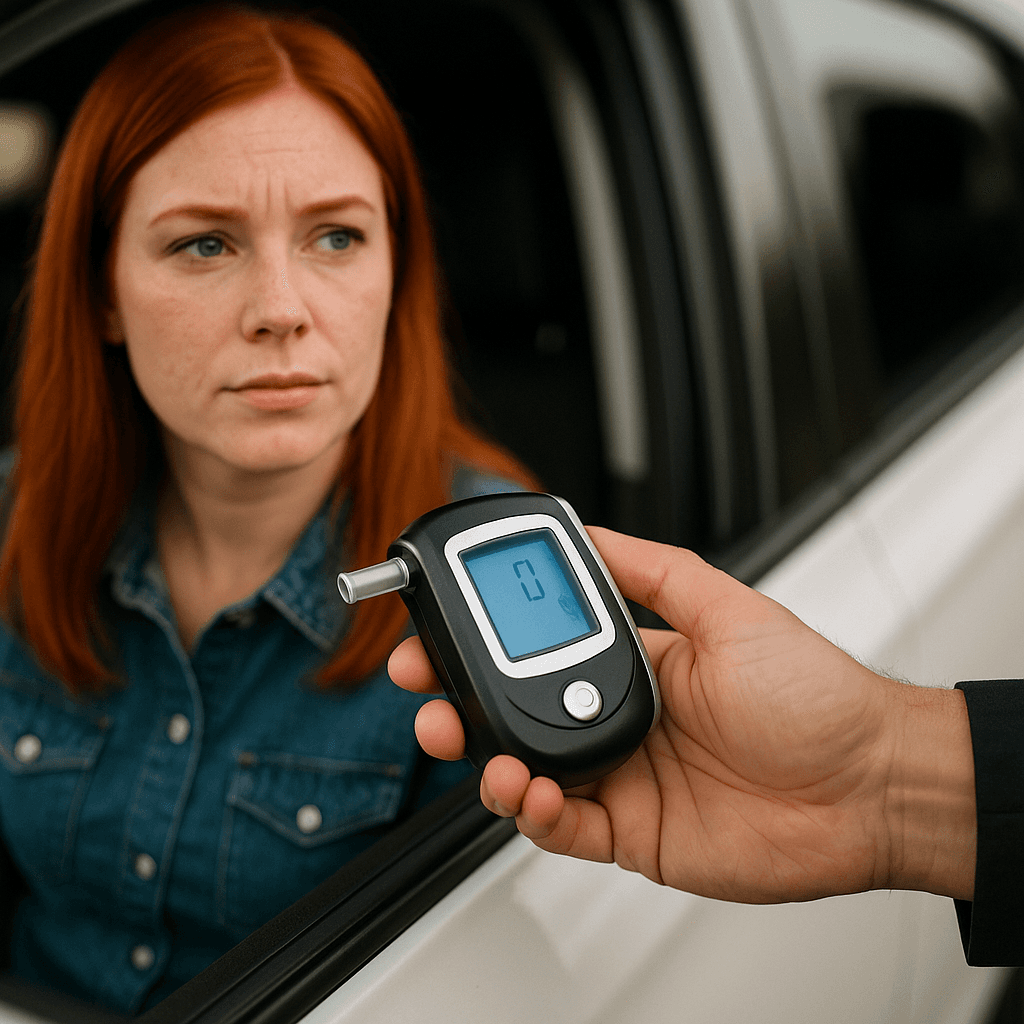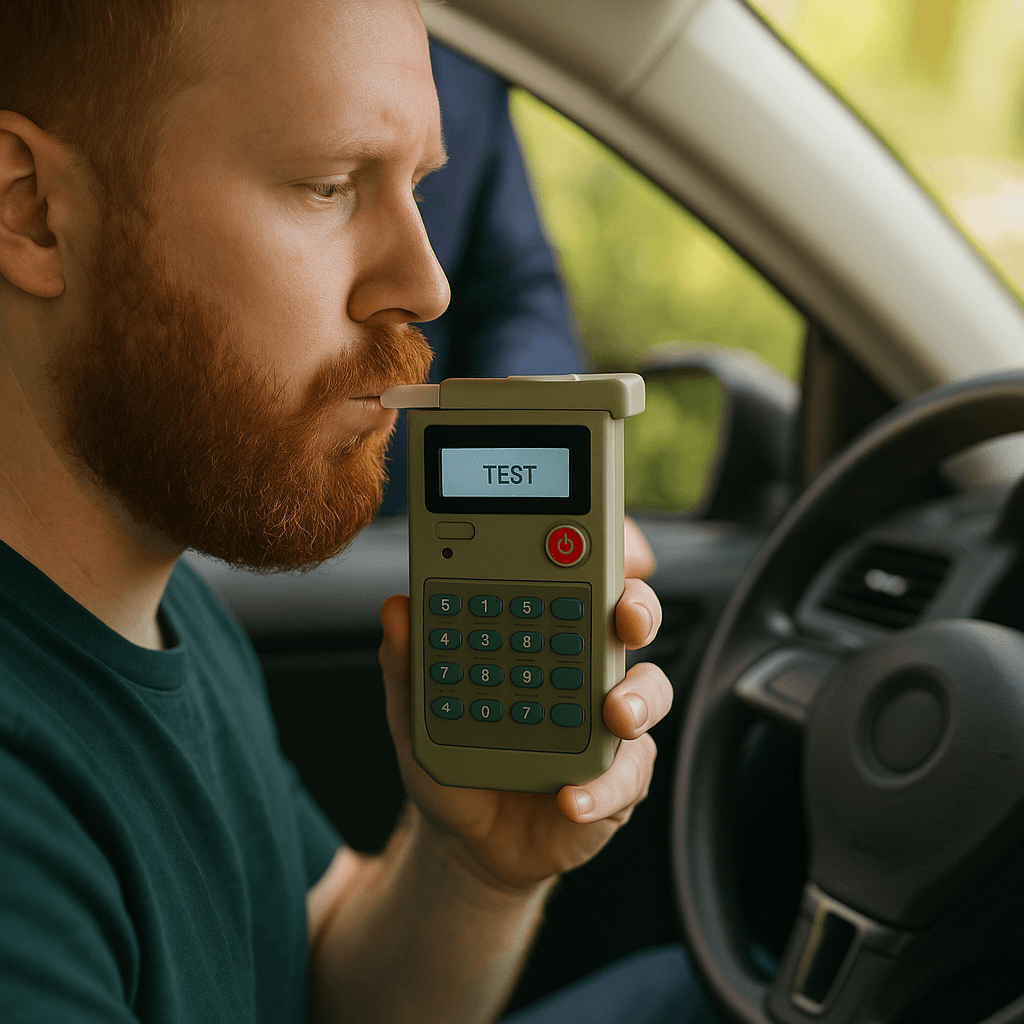
Iowa requires 3-year SR-22 filing after DUI conviction. Active-duty military face a separate base driving privilege review that starts when your installation commander receives conviction notice — not when you file SR-22.
What Iowa's SR-22 Requirement Means for Your Base Driving Privileges
Iowa requires continuous SR-22 filing for 3 years following any OWI conviction, measured from your reinstatement date — not your conviction date. Your filing clock starts the day Iowa DOT reinstates your license after completing all court-ordered requirements: jail time if sentenced, substance abuse evaluation, drinking driver course, and payment of the $200 civil penalty.
Your installation's driving privilege operates on a separate track. Installation commanders receive conviction reports through the National Driver Register within 10–15 days of sentencing. Most bases initiate a driving privilege suspension immediately upon receiving OWI conviction notification, independent of your state license status. You now have two reinstatement processes running in parallel with different timelines and different documentation requirements.
The coordination failure happens here: Iowa will reinstate your license once you satisfy DOT requirements and file SR-22, but that reinstatement doesn't automatically restore base driving privileges. Your Provost Marshal office requires proof of completed court sanctions, a current driving abstract showing reinstatement, and — critically — confirmation that your SR-22 is active and will remain active for the full 3-year period. If you wait to coordinate with your PM office until after your Iowa license is reinstated, you're adding 30–60 days to your base access timeline for no reason.
How Iowa's Reinstatement Timeline Interacts With Military Administrative Actions
Iowa's OWI reinstatement process requires four sequential steps before SR-22 filing becomes relevant. You complete a substance abuse evaluation within 10 days of sentencing. You complete the Iowa drinking driver course (typically 12 hours over two weekends). You pay the $200 civil penalty to Iowa DOT. You wait out any minimum revocation period — 180 days for first-offense OWI with BAC .08–.149, one year for BAC .15 or higher, one year for refusal.
Only after all four steps are documented can you apply for reinstatement. Iowa DOT will not process your reinstatement application until you submit proof of SR-22 filing from a licensed Iowa carrier. The SR-22 must be on file before reinstatement is approved — this is the step where most service members hit a carrier availability problem.
Most major carriers (State Farm, GEICO, Allstate, Progressive) will file SR-22 for existing military customers but non-renew at the end of your current policy term. If your policy renews before your Iowa revocation period ends, you lose coverage and have to refile SR-22 with a new carrier. Non-standard carriers that write post-OWI policies in Iowa include Dairyland, The General, Bristol West, and Direct Auto. Monthly premiums for liability-only SR-22 coverage after OWI typically range from $140–$220 depending on BAC level and prior driving history. Estimates based on available industry data; individual rates vary by conviction class, vehicle, and coverage selections.
Find out exactly how long SR-22 is required in your state
Why Base Access Reviews Move Faster Than State Reinstatement
Your installation's Provost Marshal office doesn't wait for Iowa DOT to complete reinstatement before acting on your OWI conviction. Most installations suspend on-base driving privileges within 5–7 business days of receiving NDR notification. This suspension is administrative, not punitive — you're not banned from the installation, but you cannot operate a privately owned vehicle on base roads, parking areas, or housing.
The base suspension continues until you request reinstatement through your PM office and provide documentation that satisfies installation-specific requirements. Every installation maintains a local traffic code that sets reinstatement conditions for OWI convictions. Common requirements include: certified copy of court disposition showing completed sentence, current state driving abstract showing valid license, proof of SR-22 filing with 3-year duration visible, completion certificate from substance abuse counseling if ordered by commander.
Here's the timing trap: your Iowa license may be reinstated 6–12 months after conviction depending on your revocation period. Your base driving privilege can be reinstated as soon as you satisfy PM office documentation requirements — often 90–120 days post-conviction if you complete court sanctions quickly and file SR-22 early. Most service members don't realize the base reinstatement can happen first, so they wait to contact their PM office until after Iowa DOT acts. That adds months of unnecessary carpooling or Uber expenses on base.
How to Coordinate SR-22 Filing With Installation Reinstatement Requirements
Contact your installation's Provost Marshal office within 10 days of sentencing to request the specific reinstatement checklist for OWI convictions. Do not wait for your suspension letter — the letter tells you driving privileges are revoked but rarely includes the full reinstatement procedure. Ask for the written reinstatement requirements, the name of the reviewing officer, and whether your installation requires a commander's endorsement for reinstatement after OWI.
File SR-22 as soon as you secure a carrier willing to write your policy, even if your Iowa revocation period hasn't ended yet. Iowa DOT requires active SR-22 on file before processing reinstatement, but there's no rule preventing early filing. Filing early gives you a dated SR-22 certificate to submit to your PM office while you're waiting out your revocation period. Some installations will process your base reinstatement application in parallel with your state reinstatement if you provide proof of active SR-22 and a timeline for Iowa DOT action.
Request a certified copy of your court disposition immediately after sentencing. Iowa courts typically provide certified copies within 5–7 business days for a $15–$25 fee. You need this document for both Iowa DOT reinstatement and base reinstatement — get two certified copies to avoid delays. Request your Iowa driving abstract online through Iowa DOT's online portal once your reinstatement is approved. Your PM office needs an abstract dated within 30 days of your base reinstatement application showing valid status and no additional violations.
What Happens If You Transfer Duty Stations During Your SR-22 Period
Iowa's 3-year SR-22 requirement follows you regardless of PCS orders. If you transfer to another state before your filing period ends, you must maintain continuous SR-22 filing in whatever state issues your new driver's license. Letting your Iowa SR-22 lapse — even if you no longer live in Iowa — triggers an immediate suspension notice to Iowa DOT, which reports the lapse to NDR, which notifies your new installation within days.
Your new duty station's Provost Marshal office will suspend base driving privileges upon receiving notification of an SR-22 lapse in any state, even if your current state license is valid. You then face dual reinstatement: refiling SR-22 in Iowa to clear the Iowa suspension, and refiling in your new state if that state also requires SR-22 for out-of-state OWI convictions. The administrative load doubles and your insurance cost often increases because you're now filing in two states simultaneously.
Before PCS, contact your carrier to confirm whether they write SR-22 policies in your new duty station state. If your current carrier doesn't operate in your new state, you need to secure a new carrier before you outprocess. The new carrier must file SR-22 in your new state before your old state filing lapses. Most carriers allow a 10-day overlap window, but this is not guaranteed. If you create a gap, your Iowa SR-22 clock resets to zero and you start a new 3-year period from the date you refile.
How OWI Conviction Class Changes Your Filing Period and Carrier Options
Iowa distinguishes between first-offense OWI, aggravated OWI (BAC .15+, minor in vehicle, or injury), and second-offense OWI. First-offense standard OWI carries 180-day to 1-year revocation depending on BAC and a 3-year SR-22 requirement. Second-offense OWI carries 1–2 year revocation and the same 3-year SR-22 filing period. Aggravated first-offense OWI typically results in 1-year revocation.
Your conviction class determines carrier availability more than filing duration. Carriers willing to write first-offense standard OWI policies often decline aggravated OWI or second-offense cases. If your BAC was .15 or higher, or if you had a passenger under 18 in the vehicle, expect to quote with non-standard carriers only: Dairyland, The General, Bristol West, Direct Auto. These carriers file SR-22 but require full payment upfront or charge 15–25% financing fees for monthly payment plans.
Some installations require commander's endorsement for base driving reinstatement after aggravated OWI or second offense, even if you satisfy all PM office documentation requirements. This adds 15–30 days to your base reinstatement timeline while your chain of command reviews your request. Ask your PM office whether your conviction class triggers a commander review before you submit your reinstatement packet.