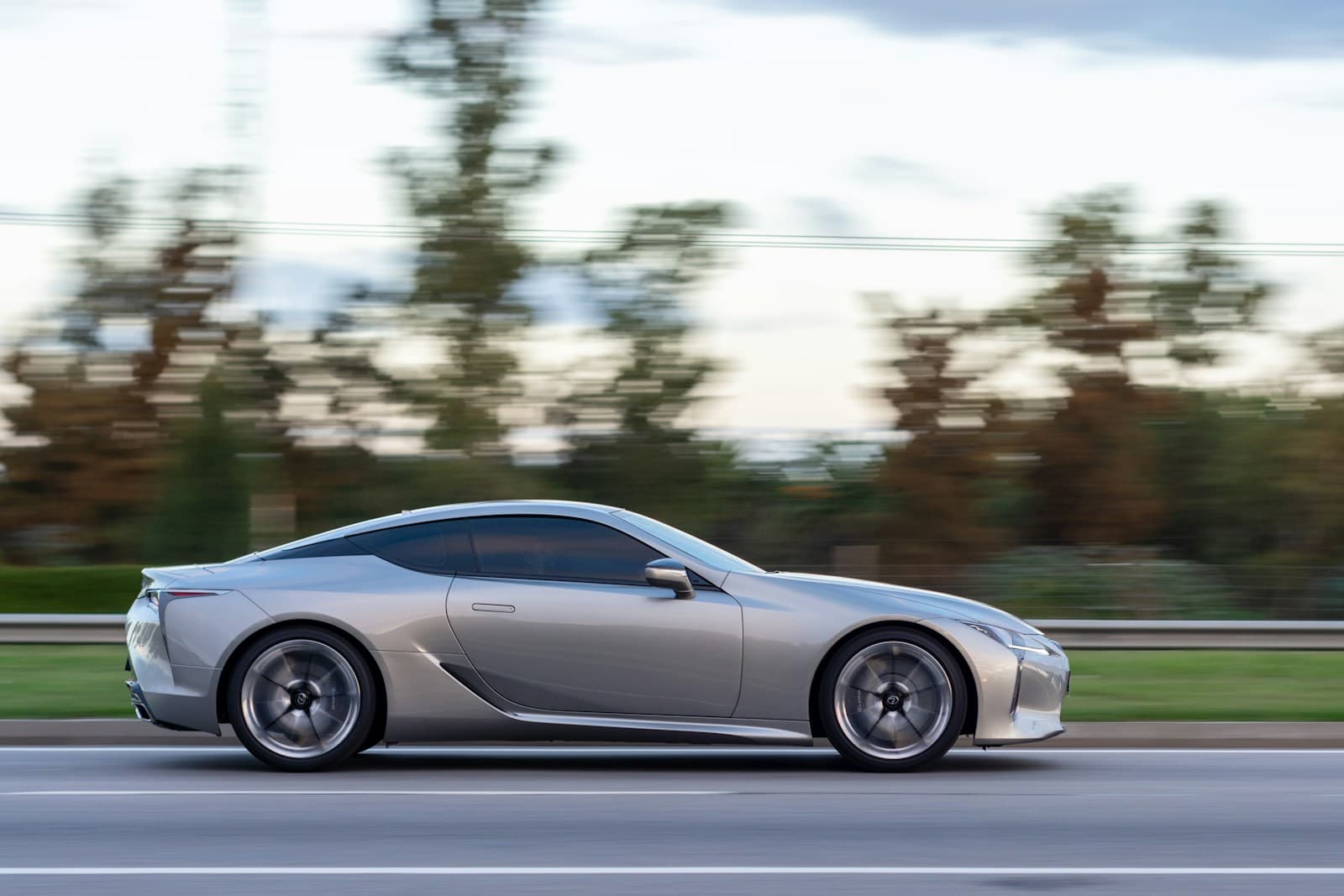
Illinois requires only liability coverage to maintain SR-22 filing, but dropping collision and comprehensive can trigger lender violations if you're financing your vehicle. Here's how to lower your premium without breaking your loan agreement.
Illinois SR-22 Filing Requires Only Liability Coverage by Law
Illinois SR-22 filing requires proof of minimum liability coverage: $25,000 bodily injury per person, $50,000 bodily injury per accident, and $20,000 property damage. The state does not require collision or comprehensive coverage to maintain your SR-22 certificate. Your SR-22 remains valid as long as your liability policy stays active and meets these minimums.
Your carrier files SR-22 electronically with the Illinois Secretary of State. If you drop to liability-only and your policy still meets state minimums, your SR-22 filing continues without interruption. The Secretary of State does not track whether you carry full coverage — only that you maintain continuous liability coverage for the full 3-year filing period after a DUI conviction.
Most DUI drivers moving from full coverage to liability-only save $80–$140 per month in premium costs. Non-standard carriers like The General, Direct Auto, and Bristol West quote liability-only SR-22 policies starting around $110–$160/mo in Illinois, compared to $190–$300/mo for full coverage with the same carrier.
Your Lender Can Repossess If You Drop Coverage They Require
If you're financing or leasing your vehicle, your loan agreement requires collision and comprehensive coverage until the loan is paid off. This requirement exists in your contract with the lender, not with the state. Dropping to liability-only violates the loan agreement even though it satisfies Illinois SR-22 rules.
Lenders monitor your insurance coverage through electronic tracking systems that notify them within 7–14 days when you drop physical damage coverage. Once notified, the lender will send a breach notice giving you 10–20 days to restore full coverage or face forced-place insurance. Forced-place policies cost 2–4 times your previous premium and cover only the lender's interest, not your own.
If you ignore the breach notice, the lender can declare your loan in default and repossess the vehicle. Most auto loan agreements include an acceleration clause allowing the lender to demand immediate full payment of the remaining balance once you breach the insurance requirement. Repossession typically occurs 30–60 days after the initial coverage lapse.
Find out exactly how long SR-22 is required in your state
When You Can Drop Full Coverage Without Losing Your Vehicle
You can drop to liability-only SR-22 coverage if you own your vehicle outright with no lien holder listed on the title. Once the loan is paid off and the lender releases the lien, you control all coverage decisions beyond state-required minimums. Verify lien release by checking your title — if no lender name appears in the lien holder section, you're clear to reduce coverage.
Drivers who total-loss their financed vehicle and receive an insurance payout that clears the loan also own the replacement vehicle outright if they pay cash. Buying a $3,000–$6,000 vehicle with cash after a DUI lets you carry liability-only SR-22 without lender restrictions. Non-standard carriers will file SR-22 on liability-only policies for older vehicles with no collision or comprehensive coverage.
Some drivers satisfy their lender requirement by maintaining minimum collision and comprehensive deductibles at the highest available level — typically $1,000 or $2,500. This keeps you compliant with the loan agreement while reducing premium costs by 15–25% compared to lower deductibles. The lender cares that coverage exists, not what deductible you choose.
How to Lower SR-22 Costs Without Dropping Full Coverage
Raising your collision and comprehensive deductibles to $1,000 or $2,500 reduces your premium by $40–$80/mo while keeping your lender satisfied. Most non-standard carriers offer high-deductible options that meet loan agreement requirements at significantly lower cost than standard $500 deductibles.
Removing non-essential coverages like rental reimbursement, roadside assistance, and loan/lease gap insurance can save another $20–$35/mo. Your lender typically requires only collision and comprehensive — everything else is optional. Gap insurance becomes less valuable once your loan balance drops below your vehicle's actual cash value.
Shopping your SR-22 policy across multiple non-standard carriers produces the largest savings. Rate variation for identical coverage can exceed $100/mo between carriers willing to write DUI-SR-22 policies in Illinois. Direct Auto, The General, Dairyland, GAINSCO, and Bristol West all file SR-22 and quote differently based on your conviction class, age, and county. Most mainstream carriers like State Farm and Geico non-renew at term after a DUI, forcing you into the non-standard market where rate shopping matters more.
What Happens If You Drop Coverage Mid-Filing Period
Dropping your SR-22 policy or letting it lapse for any reason triggers an automatic electronic filing from your carrier to the Illinois Secretary of State, usually within 24 hours. The state treats this as proof of uninsured driving and immediately suspends your license. You cannot drive legally from the moment the lapse is reported, even if you buy a new policy the same day.
Reinstating your license after an SR-22 lapse requires paying a $100 reinstatement fee, obtaining a new SR-22 filing from a carrier willing to write you after a lapse, and restarting your 3-year SR-22 filing period from zero. A one-day lapse resets the entire clock. If you had 18 months remaining when you lapsed, you now have 36 months remaining from the new filing date.
Illinois does not offer a grace period for SR-22 lapses. Coverage must be continuous for the full 3-year period. Most non-standard carriers charge a $50–$75 lapse reinstatement fee on top of your new policy premium, and some will not write you at all after an SR-22 lapse. Your rate will increase 20–40% with the new carrier compared to what you were paying before the lapse.
The Real Cost Difference: Full Coverage vs. Liability-Only After DUI
A 35-year-old driver with a first-offense DUI in Cook County pays approximately $210–$280/mo for full coverage SR-22 through a non-standard carrier, compared to $120–$170/mo for liability-only SR-22 on the same vehicle. The $90–$110/mo savings represents 40–45% of total premium cost.
For a financed vehicle worth $18,000 with a $12,000 loan balance, maintaining collision and comprehensive with a $1,000 deductible costs roughly $150–$190/mo for SR-22 coverage, compared to $210–$280/mo with a $500 deductible. Raising your deductible keeps you compliant while saving $60–$90/mo.
Drivers who own their vehicle outright and drop to liability-only save the full difference but assume total financial risk if they cause an at-fault accident that damages their own vehicle. A $15,000 vehicle totaled in an at-fault collision becomes a complete loss with no insurance recovery. Many DUI drivers switch to older, paid-off vehicles worth $5,000 or less specifically to make liability-only coverage financially viable.