California requires only liability coverage for SR-22 compliance after a DUI, not full coverage. Dropping collision and comprehensive can cut your premium by 40-60% while keeping you legal.
California SR-22 Does Not Require Full Coverage
California requires only minimum liability coverage to satisfy SR-22 filing after a DUI conviction: 15/30/5 coverage ($15,000 bodily injury per person, $30,000 per accident, $5,000 property damage). Full coverage — collision and comprehensive — is not a state-mandated requirement for SR-22 compliance. If you own your vehicle outright with no lien or loan, you can drop full coverage immediately and maintain legal SR-22 status with liability-only.
The cost difference is substantial. A liability-only SR-22 policy in California typically costs $95–$165 per month for a first-offense DUI driver. Full coverage with SR-22 runs $220–$380 per month for the same driver profile. Dropping collision and comprehensive eliminates 40–60% of your premium while keeping you compliant with DMV requirements.
Carriers offering SR-22 filing rarely volunteer this information because full coverage generates higher premiums. Non-standard insurers like Bristol West, Dairyland, GAINSCO, and The General all write liability-only SR-22 policies in California, and most high-risk drivers shopping after DUI qualify for this option if they own their vehicle free and clear.
When You Cannot Drop Full Coverage
If you have an active auto loan or lease, your lender requires full coverage as a condition of financing. The lienholder mandate overrides state SR-22 requirements — you must carry collision and comprehensive until the loan is paid off or the lease ends. Dropping coverage triggers a lender-placed insurance policy at a significantly higher cost, often double your current premium.
Some DUI convictions involving property damage or injury include court-ordered restitution that makes dropping full coverage financially risky. If you caused damage in the incident that led to your DUI, carrying only liability leaves you personally liable for any future at-fault accident repairs. California judges occasionally include insurance-related conditions in DUI sentencing, though this is rare and typically applies only to aggravated or repeat-offense cases.
Drivers with vehicles worth more than $8,000–$10,000 should calculate the replacement cost before dropping coverage. If you cannot afford to replace your vehicle out of pocket after an at-fault accident, theft, or weather damage, liability-only may save money short-term but creates long-term transportation risk.
Find out exactly how long SR-22 is required in your state
How to Drop Full Coverage Without Losing SR-22 Filing
Contact your current carrier and request a policy change to liability-only coverage while maintaining SR-22 filing. The SR-22 certificate stays active as long as continuous liability coverage remains in force — the certificate is attached to your liability policy, not your collision or comprehensive. Your carrier will issue an updated SR-22 to the California DMV reflecting the coverage change, but your filing status remains compliant.
Most non-standard carriers process coverage reduction requests within 24–48 hours. Your new premium takes effect on the next billing cycle, and the SR-22 remains filed with the DMV without interruption. You do not need to notify the DMV separately — the carrier handles all SR-22 updates.
If your current carrier does not offer competitive liability-only rates, shop before making the change. Get quotes from at least three non-standard insurers that write DUI-SR-22 policies in California. Compare the liability-only rate with SR-22 filing across carriers, then switch coverage and transfer your SR-22 filing to the new policy. The new carrier files an SR-22 with the DMV on your behalf, and the old carrier cancels their filing once the new one is active. Avoid any gap in coverage — even one day without active insurance resets your 3-year SR-22 clock to zero in California.
What Liability-Only SR-22 Coverage Does Not Protect
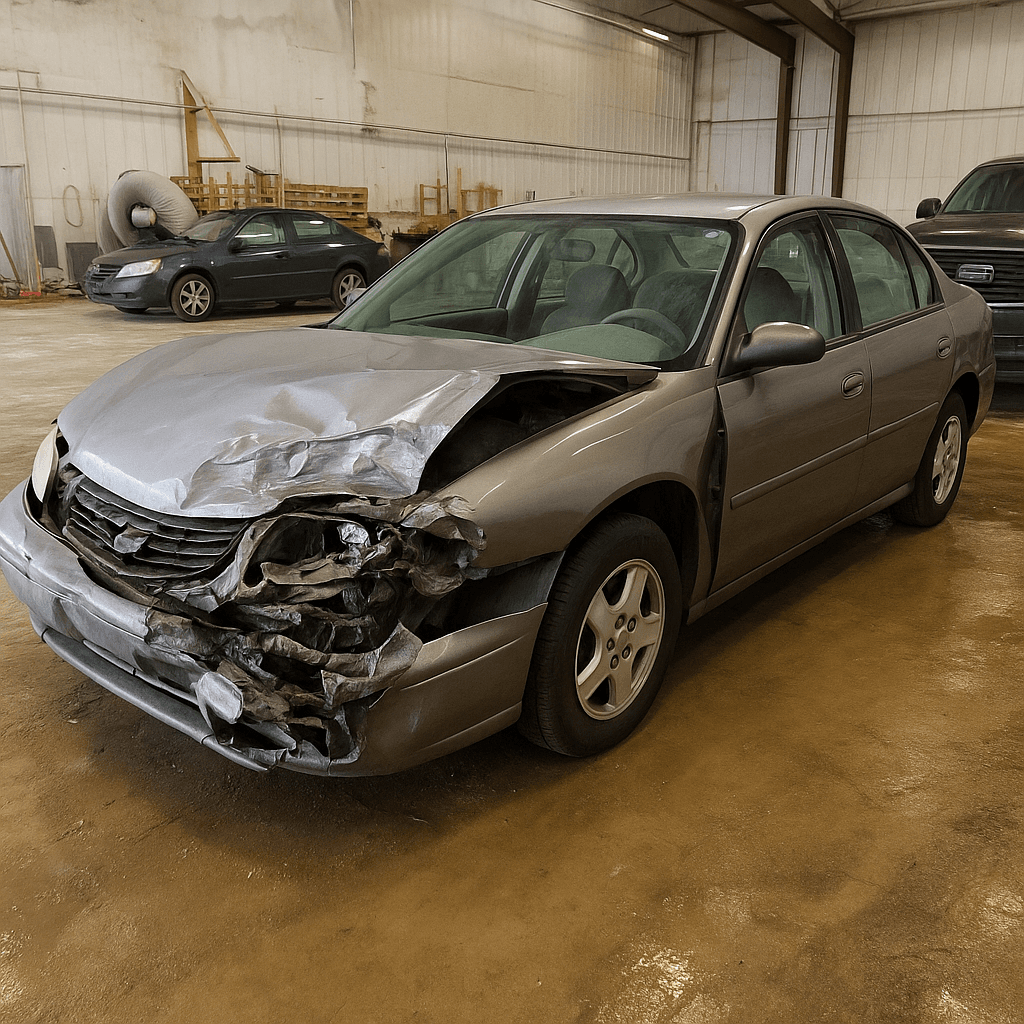
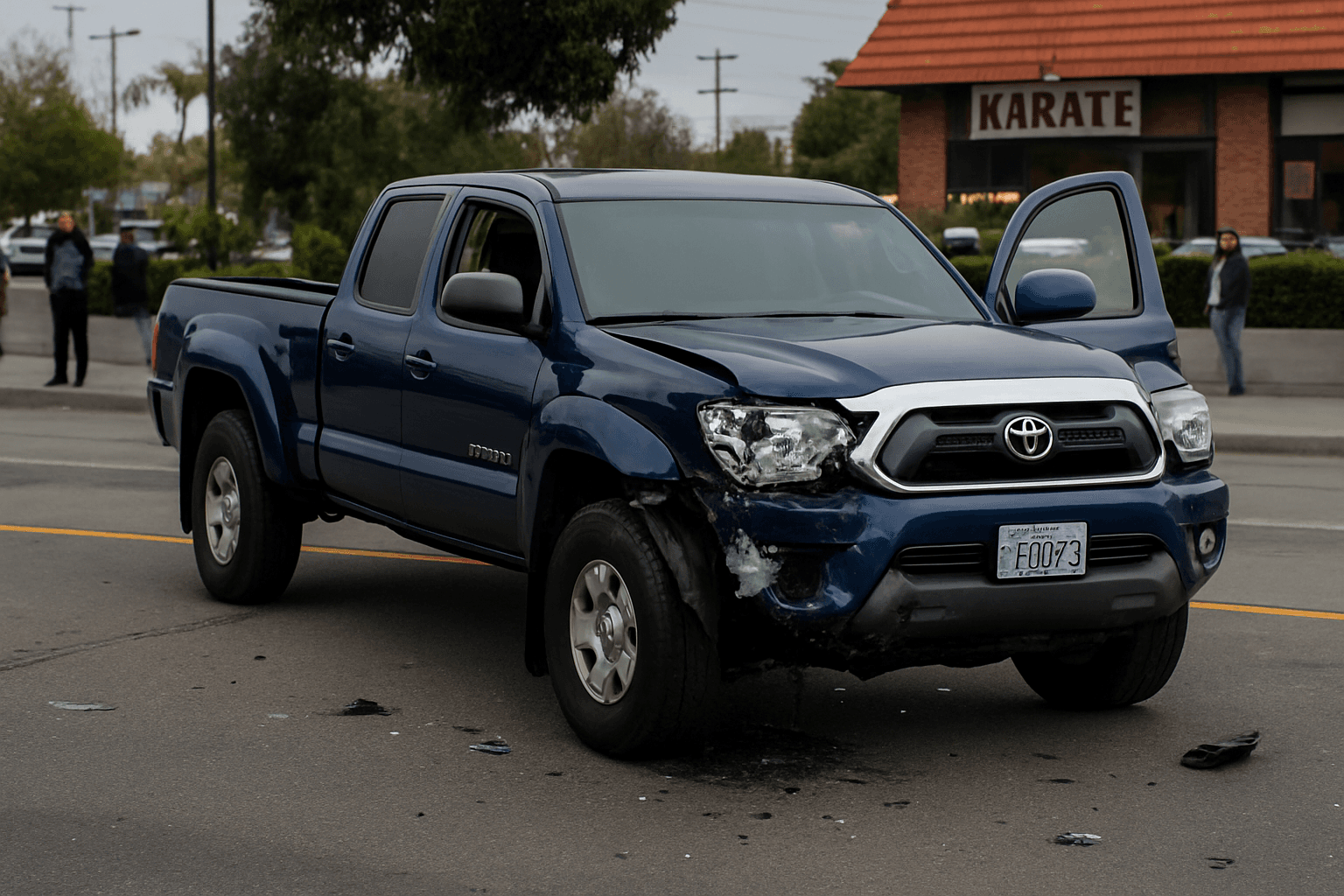
Liability-only SR-22 covers damage you cause to other people and their property in an at-fault accident. It does not cover damage to your own vehicle, theft, vandalism, weather damage, or hit-and-run incidents where the other driver is uninsured or flees the scene. If you total your car in an at-fault accident with liability-only coverage, you receive nothing for your vehicle and must replace it out of pocket while continuing to pay your SR-22 premium.
Uninsured motorist coverage is optional in California but worth considering for drivers who drop full coverage. UM coverage costs $15–$35 per month and protects you if an uninsured driver hits your vehicle. Approximately 16% of California drivers carry no insurance, making UM a cost-effective middle option between liability-only and full coverage.
Medical payments coverage (MedPay) is another optional add-on that covers your medical bills after an accident regardless of fault. MedPay costs $8–$20 per month for $5,000–$10,000 in coverage and pays before health insurance deductibles apply. This is particularly relevant for DUI drivers on a budget who cannot afford high out-of-pocket medical costs after an accident.
SR-22 Filing Period and Cost Reality in California
California requires SR-22 filing for 3 years after a DUI conviction, measured from the conviction date, not the date you purchase insurance or reinstate your license. If your license was suspended for 6 months and you waited 2 months to reinstate, you still owe the full 3 years from conviction. The clock does not pause during suspension.
The SR-22 filing fee in California is $15–$25, charged once at filing and sometimes again at renewal. The fee itself is negligible — the rate increase from the DUI is the real cost. A first-offense DUI in California increases your base rate by 70–120% depending on carrier and county. Adding SR-22 filing adds another 5–10% on top of the DUI surcharge, but the DUI itself is the primary driver of cost.
Carriers writing liability-only SR-22 policies after DUI in California include Bristol West, Dairyland, GAINSCO, The General, Direct Auto, and Acceptance. Rates vary significantly by ZIP code, age, and conviction class. A 35-year-old driver in San Diego with a first-offense DUI and clean prior record pays $110–$150/mo for liability-only SR-22. The same driver in Los Angeles pays $130–$175/mo. Shopping across at least three non-standard carriers typically saves $30–$60 per month.