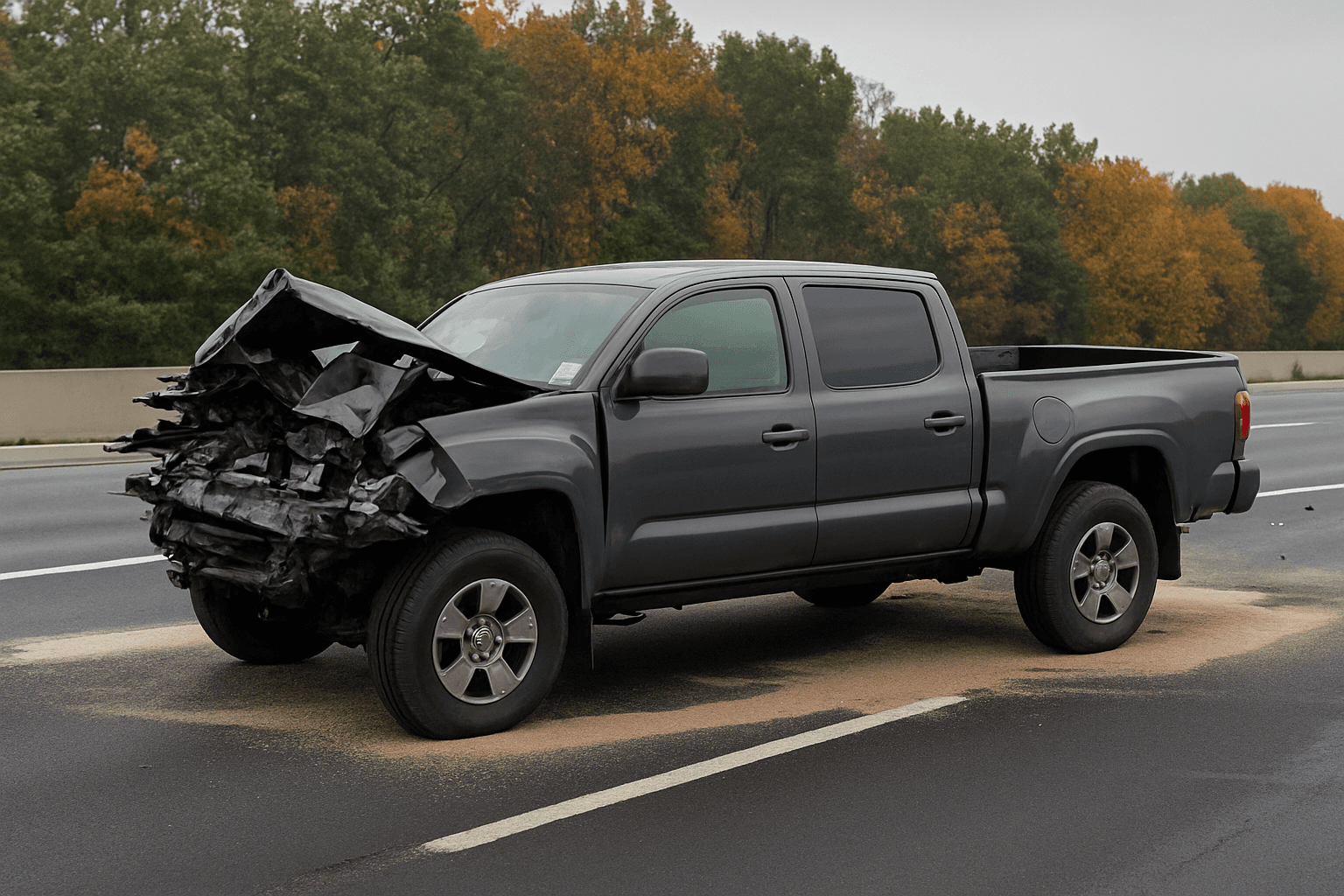
Arizona lets you drop collision and comprehensive after a DUI, but only if you own your car outright. You still need liability plus SR-22 filing for three years minimum.
Arizona SR-22 Requirements Don't Include Collision or Comprehensive
Arizona requires SR-22 filing for three years after a DUI conviction, but the SR-22 itself only certifies continuous liability coverage. The state mandate is 25/50/15 minimum liability limits: $25,000 bodily injury per person, $50,000 per accident, $15,000 property damage. Collision and comprehensive coverage are optional under Arizona law.
You can legally drop full coverage the day after your DUI conviction if you own your vehicle outright and carry compliant liability limits. The SR-22 filing attaches to your liability policy, not to your collision or comprehensive endorsements. Your carrier files the SR-22 with the Arizona MVD, certifying you maintain the required liability — nothing more.
The confusion comes from two sources: carriers selling DUI drivers packages that bundle full coverage with SR-22, and drivers with auto loans who face lienholder requirements separate from state law. If you have a lien, your lender controls your coverage levels regardless of what Arizona requires.
Lienholder Requirements Override State Minimums
If you finance or lease your vehicle, your loan agreement requires collision and comprehensive with specific deductible caps, typically $500 or $1,000 maximum. This is a contract obligation, not a state insurance law. Your lender will force-place coverage at 3-4x your normal premium if you drop below contract terms, and they will charge you for it whether your policy is active or not.
The lienholder requirement stays in effect until you pay off the loan or lease term ends. A DUI conviction and SR-22 filing do not change your financing contract. Most auto loans on DUI drivers carry 4-6 years remaining, meaning full coverage is mandatory for the majority of this audience regardless of Arizona law.
If you own your car outright, you control the decision. Dropping to liability-only after a DUI cuts your premium by 40-60% in most cases, since collision and comprehensive account for the bulk of high-risk premiums. A liability-only SR-22 policy in Arizona typically runs $110-$180/mo for a first-offense DUI driver, compared to $240-$380/mo for full coverage with the same carrier.
Find out exactly how long SR-22 is required in your state
Rate Impact of Dropping Full Coverage After DUI
Arizona DUI convictions trigger a 75-110% rate increase on average, calculated from your pre-conviction premium. That increase applies to all coverages: liability, collision, and comprehensive. Your collision premium doubles. Your comprehensive premium doubles. But because collision and comprehensive are calculated from your vehicle's actual cash value, dropping them removes the largest dollar component of your bill.
A 2018 Honda Civic with $12,000 ACV and a $500 deductible might cost $95/mo for collision and $42/mo for comprehensive pre-DUI. After DUI, those same coverages jump to $180/mo collision and $78/mo comprehensive. Liability-only on the same policy runs $135/mo post-DUI. You save $123/mo by dropping full coverage, or $1,476 annually.
Non-standard carriers price SR-22 policies with liability-only options specifically because they know this audience needs the savings. Bristol West, Dairyland, GAINSCO, and The General all write liability-only SR-22 in Arizona. Mainstream carriers like State Farm and Geico will file SR-22 for existing customers but typically non-renew at policy term after DUI, so most drivers end up in the non-standard market within six months regardless of coverage level.
What You Lose When You Drop Collision and Comprehensive
Collision coverage pays to repair or replace your vehicle after an at-fault accident, a single-vehicle crash, or a hit-and-run where the other driver is never identified. Comprehensive covers theft, vandalism, hail, flood, fire, and animal strikes. Both pay up to your vehicle's actual cash value minus your deductible.
If you drop these coverages and total your car, you receive nothing from your insurer. You still owe the full cost of replacement out of pocket. For a driver with a $15,000 vehicle and no emergency savings, that risk is material. For a driver with a $3,500 vehicle and $8,000 in accessible cash, the risk is manageable.
Arizona's SR-22 filing period is three years from conviction date, not reinstatement date. If you drop full coverage and total your vehicle two years into your filing period, you must buy another car and insure it with liability plus SR-22 to avoid a filing lapse. A lapse of even one day resets your three-year clock to zero and triggers a new suspension. Calculate whether you can afford replacement before you drop coverage.
Timing and Process for Dropping Coverage
You can request a coverage reduction at any point during your policy term. Call your carrier or agent, specify you want to remove collision and comprehensive, and confirm your new premium. The change takes effect immediately or on the next billing cycle depending on carrier processing rules. Your SR-22 filing stays active as long as liability coverage continues without interruption.
Do not let your current policy lapse and then buy a new liability-only policy unless you coordinate the effective dates to avoid a gap. Arizona MVD receives electronic notice of any lapse within 24 hours, and a lapse triggers automatic suspension plus a requirement to refile SR-22 and pay a $50 reinstatement fee. If you're switching carriers, bind the new policy with an effective date that starts the same day your old policy ends.
If you're moving from a mainstream carrier that non-renewed you to a non-standard carrier, get the liability-only quote in writing before you cancel existing coverage. Non-standard carriers can take 3-5 business days to process SR-22 applications, and you cannot afford a gap. Most drivers in this situation overlap policies by one day to ensure continuous certification.
When Keeping Full Coverage Makes Sense
Keep collision and comprehensive if your vehicle is worth more than $10,000 and you have no liquid savings to replace it after a total loss. The premium difference is painful, but becoming uninsured and losing your SR-22 compliance is worse. Arizona does not offer hardship exemptions or reduced filing periods for financial distress.
Keep full coverage if you're in the first six months post-conviction and still with a mainstream carrier that hasn't non-renewed you yet. Rates in the non-standard market for liability-only are often comparable to what you're paying now for full coverage with State Farm or Geico. Wait until you receive the non-renewal notice, then shop both full coverage and liability-only quotes from non-standard carriers before making the decision.
Keep full coverage if you live in a high-theft or high-vandalism ZIP code and park on the street. Comprehensive claims don't count as at-fault and won't increase your premium further in most cases. Phoenix metro ZIP codes 85009, 85003, 85006, and 85007 show vehicle theft rates 2-3x the state average, and comprehensive coverage costs $60-$90/mo even post-DUI. Replacing a stolen vehicle costs $15,000+.