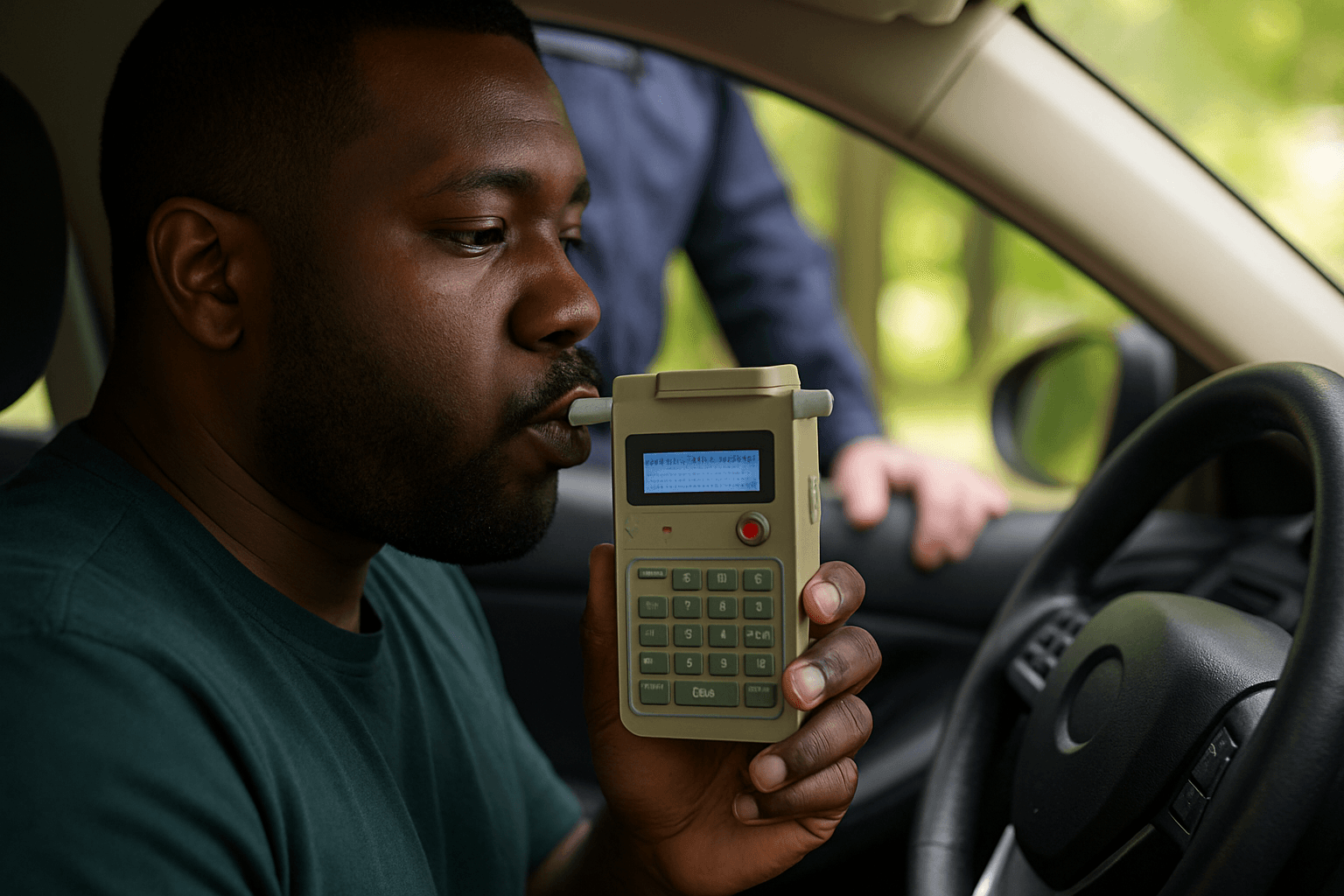
Georgia gives you 30 days to request an administrative hearing that could reduce your suspension from 12 months to 120 days with a limited permit. Miss that window and your options narrow to a year-long hard suspension plus 3 years of SR-22 filing.
Request Your Administrative License Suspension Hearing Within 30 Days
Georgia gives you exactly 30 calendar days from your DUI arrest date to request an administrative license suspension hearing with the Department of Driver Services. This hearing is separate from your criminal DUI case and challenges the administrative suspension triggered by your arrest or breath test refusal. If you file on time and win, you keep your license during the criminal case. If you file and lose, you typically qualify for a limited driving permit after 120 days instead of waiting a full year.
Miss the 30-day deadline and Georgia automatically suspends your license for 12 months with no limited permit option for the first year. Your SR-22 filing period still runs for 3 years after reinstatement, but you've added 8 months of zero driving to that timeline. The hearing request costs $150 and must be submitted in writing to the DDS Office of Administrative Hearings.
Most DUI defendants assume the administrative process happens automatically or that their attorney will handle it without prompting. Georgia does not notify you again after the initial arrest paperwork. The 30-day clock starts the day of your arrest, not the day you hire an attorney or appear in court.
Understand Georgia's Two Parallel Suspension Tracks
Georgia runs two separate suspension processes after a DUI arrest: the administrative suspension triggered by DDS and the criminal suspension ordered by the court if you're convicted. The administrative suspension starts 45 days after your arrest unless you request a hearing within 30 days. The criminal suspension starts after conviction and sentencing, typically 120 days to 12 months depending on your BAC, prior offenses, and whether you refused testing.
If both suspensions apply, Georgia does not run them concurrently for the full period. You serve the administrative suspension first, then any remaining criminal suspension time. A first-offense DUI with .08–.14 BAC triggers a 12-month administrative suspension and a 12-month criminal suspension, but you don't serve 24 months. The criminal suspension credit starts accruing once the administrative period begins.
The limited permit available after 120 days of an administrative suspension allows driving to work, school, medical appointments, and DUI risk reduction school. It requires an ignition interlock device installed in any vehicle you drive and proof of SR-22 filing from a licensed Georgia insurer.
Find out exactly how long SR-22 is required in your state
Get SR-22 Insurance in Place Before Your Reinstatement Date
Georgia requires continuous SR-22 filing for 3 years starting from your license reinstatement date, not your conviction date or suspension start date. If you're reinstated on July 1, 2025, your SR-22 obligation runs through June 30, 2028. Let your SR-22 lapse even one day during that period and Georgia resets your filing clock to zero and re-suspends your license until you file a new SR-22 and pay a reinstatement fee.
Most major carriers including State Farm, Geico, Allstate, and Progressive will file SR-22 for existing customers after a DUI but typically non-renew at the end of your current policy term. You'll need coverage from the non-standard market: Bristol West, Direct Auto, Dairyland, National General, The General, and Acceptance all write DUI-SR-22 policies in Georgia. Monthly premiums typically range from $140 to $280 for state minimum liability depending on your age, county, and whether this is a first or repeat offense.
You cannot reinstate your Georgia license without active SR-22 filing already on record with DDS. The SR-22 must be filed by your insurer electronically before you pay the reinstatement fee or apply for a limited permit. If you don't own a vehicle, you need a non-owner SR-22 policy that covers you when driving borrowed or rental cars.
Complete DUI Risk Reduction School and Pay All Court-Ordered Fees
Georgia requires a 20-hour DUI Risk Reduction course certified by the Department of Driver Services before you can apply for license reinstatement or a limited permit. The course costs approximately $350 and must be completed at a state-approved provider. Online options exist but must include the full 20-hour curriculum — accelerated or shortened programs do not satisfy the reinstatement requirement.
Your completion certificate gets submitted directly to DDS by the school, but you're responsible for confirming DDS received it before attempting reinstatement. Call the DDS Customer Service line at 678-413-8400 to verify your Risk Reduction completion is on file. Missing this verification step is the second most common reinstatement delay after SR-22 lapses.
Court-ordered fines, fees, and surcharges must be paid in full before reinstatement. A first-offense DUI in Georgia typically carries $300 to $1,000 in fines plus a $210 reinstatement fee to DDS, a $200 license restoration fee, and possible probation supervision fees depending on your county. If you were ordered to install an ignition interlock device, installation and monthly monitoring run an additional $75 to $125 per month for the duration of your limited permit or probation period.
Know What Happens If You Drive on a Suspended License
Driving on a suspended license in Georgia is a misdemeanor carrying 2 days to 12 months in jail and a fine up to $1,000 for a first offense. A second offense within 5 years increases the mandatory minimum jail time to 10 days. Your vehicle can be impounded, and the conviction adds another suspension period on top of your existing DUI suspension.
Georgia law enforcement has real-time access to license status during traffic stops. If you're pulled over for any reason and your license shows suspended in the system, you will be arrested on the spot. The suspended license charge is separate from whatever traffic violation triggered the stop, so you're facing two cases and two sets of fines and potential jail time.
Many DUI defendants believe they can drive to work or for emergencies during the hard suspension period before their limited permit is available. Georgia makes no exception for hardship driving without a formal limited permit issued by DDS. If you need to drive before the 120-day limited permit eligibility, your only legal option is proving to the administrative hearing officer that your suspension should be overturned or stayed.
Track Your Filing Period Start Date and Renewal Deadlines
Your SR-22 filing obligation starts the day Georgia reinstates your license, not the day you buy the policy or the day your insurer files the certificate. If your license is reinstated on March 15, your 3-year clock runs to March 14 three years later. Your insurance policy term and your SR-22 filing period are not the same thing.
Most SR-22 policies run on 6-month terms. You'll renew your policy 6 times over a 3-year filing period. Each renewal must include SR-22 filing or Georgia suspends your license again within 10 days of the lapse notification from your insurer. Set a calendar reminder 30 days before every policy renewal date to confirm your new term includes SR-22 and that your insurer has transmitted the filing to DDS.
Georgia does not send you a notice when your 3-year SR-22 period ends. You're responsible for tracking the end date and requesting SR-22 removal from your policy once the obligation expires. Keeping SR-22 on your policy after the required period costs you nothing extra in most cases, but it's an unnecessary compliance flag if you're shopping for standard-market coverage again.