New Hampshire requires IID installation and DMV verification before license reinstatement — which means filing SR-22 before IID is installed leaves you paying premiums on a policy you cannot legally use.
New Hampshire Requires IID Installation Before License Reinstatement
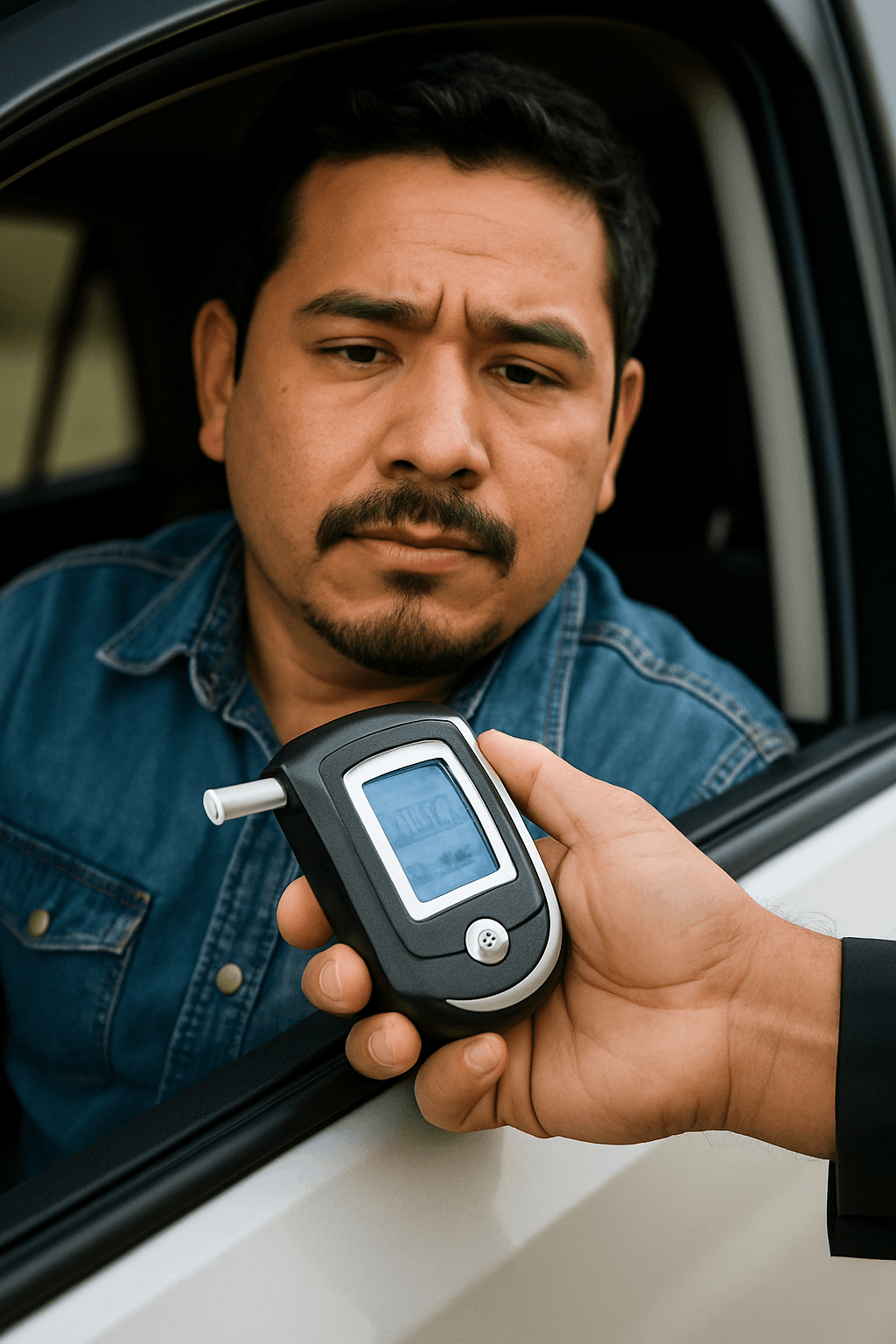
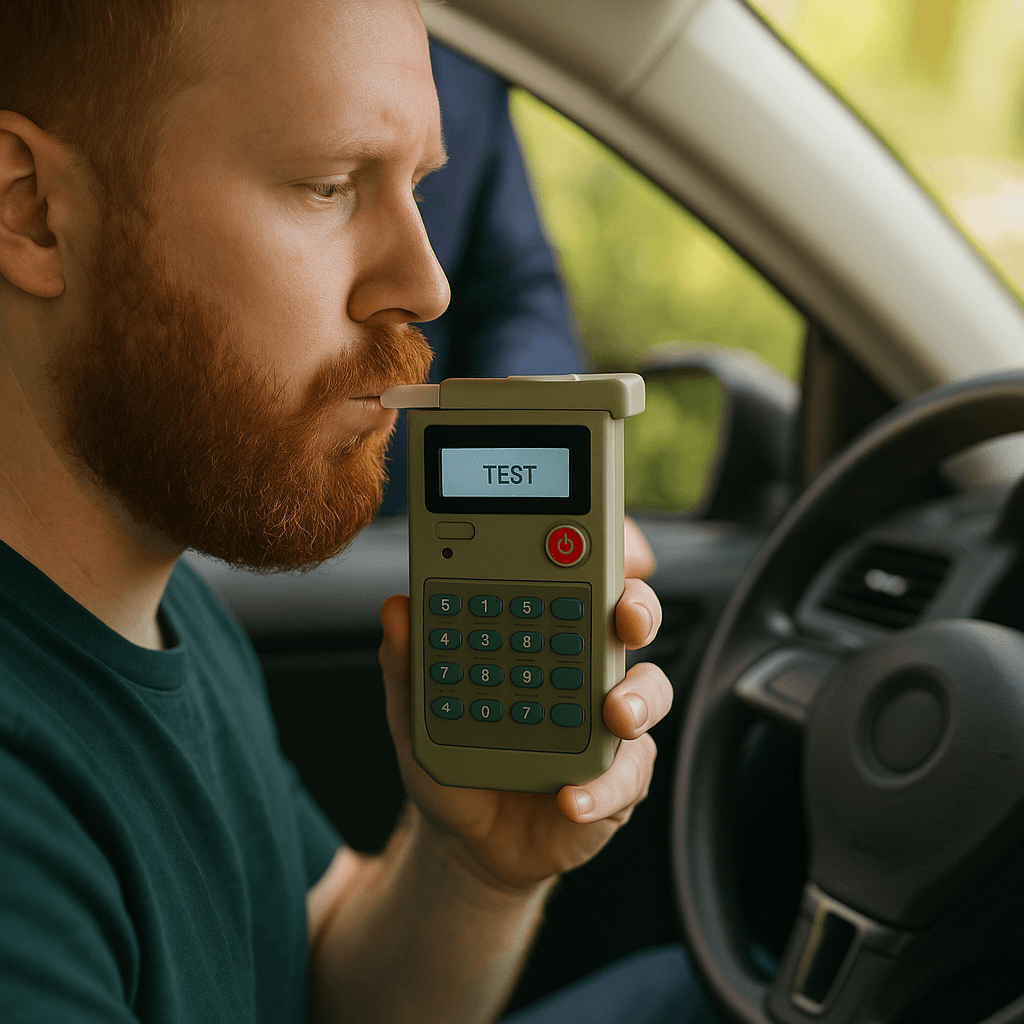
New Hampshire mandates ignition interlock device installation for most DUI convictions before the DMV will reinstate your license. The device must be installed by a state-certified vendor, verified with the DMV, and operational before you can legally drive. SR-22 filing is required after reinstatement to maintain proof of insurance, but the SR-22 itself does not restore your driving privileges.
The timeline runs this way: court sentencing sets your suspension period and IID requirement. After the suspension ends, you schedule IID installation with a certified vendor. Once installed, the vendor submits installation verification to the DMV. Only after DMV processes that verification can you apply for reinstatement and file SR-22. Filing SR-22 before IID installation means you are paying insurance premiums on a policy you cannot use — you are not legally allowed to drive until both requirements are met.
Most non-standard carriers require proof of a valid license before issuing an SR-22 policy. If your license is still suspended pending IID installation, the carrier either declines the application or issues a non-owner SR-22 policy that does not cover the vehicle you will drive once reinstated. Sequencing matters.
What the IID Installation Process Looks Like in New Hampshire
New Hampshire certifies specific IID vendors authorized to install devices and report compliance to the DMV. Your court order or DMV reinstatement notice will list approved vendors. You contact a vendor directly, schedule installation, and pay installation and monthly monitoring fees out of pocket — typically $75–$100 installation plus $60–$90 per month for monitoring and calibration.
Installation takes 30–60 minutes. The vendor mounts the device in your vehicle, calibrates it, and registers the unit with the DMV. You receive a receipt and installation confirmation document. The vendor electronically submits installation verification to the DMV, which can take 3–5 business days to process. Until the DMV confirms installation in their system, your reinstatement application cannot proceed.
Once DMV shows IID installed and active, you can apply for license reinstatement. That process requires paying reinstatement fees, submitting proof of IID installation, and filing SR-22. The SR-22 filing is part of the reinstatement packet — not a separate earlier step.
Find out exactly how long SR-22 is required in your state
Why Filing SR-22 Before IID Installation Costs You Money
SR-22 is not a standalone document you file independently of your license status. It is an endorsement attached to an active auto insurance policy that proves you carry state-minimum liability coverage. If you file SR-22 while your license is still suspended, you are paying monthly premiums on a policy you cannot legally use until the DMV reinstates your license.
New Hampshire minimum liability limits are 25/50/25: $25,000 per person for bodily injury, $50,000 per accident for bodily injury, and $25,000 for property damage. A non-standard SR-22 policy after a DUI typically runs $110–$190 per month depending on conviction class and prior insurance history. If you file SR-22 two months before completing IID installation and reinstatement, you waste $220–$380 in premiums during a period you cannot drive.
Some drivers assume filing SR-22 early speeds up the reinstatement process. It does not. The DMV requires IID verification before processing reinstatement regardless of when you file SR-22. Filing early only extends the period you pay premiums without access to legal driving privileges.
When to Start Shopping for SR-22 Coverage
Start shopping for SR-22 quotes 7–10 days before your scheduled IID installation date. Most non-standard carriers can bind a policy and file SR-22 with the DMV within 24–48 hours once your license is reinstated. Shopping early gives you time to compare rates from carriers that write DUI-SR-22 policies in New Hampshire: The General, Dairyland, Bristol West, Direct Auto, GAINSCO, and Progressive in select cases.
Request quotes as non-owner SR-22 if you do not own a vehicle, or standard owner SR-22 if you own the vehicle you will drive with the IID installed. Non-owner SR-22 policies cost less — typically $40–$70 per month — but do not cover a vehicle you own or regularly drive. If you own the car with the IID, you need an owner policy.
Once IID is installed and DMV confirms verification, contact your chosen carrier to bind the policy and file SR-22 the same day you submit your reinstatement application. The DMV requires proof of SR-22 filing as part of the reinstatement packet, so timing the policy start date to match reinstatement avoids paying premiums before you can drive.
How Long You Must Maintain IID and SR-22 in New Hampshire
New Hampshire sets IID duration based on conviction class. First-offense DUI typically requires 12 months of IID monitoring. Aggravated DUI (BAC over 0.16, refusal, injury, minor in vehicle) requires 24 months. Repeat-offense DUI requires 24 months minimum, with longer periods possible based on sentencing. The IID period starts the day the device is installed and verified by the DMV, not the conviction date or suspension date.
SR-22 filing must remain active for 3 years from the date of license reinstatement. This period runs concurrently with your IID requirement, meaning the first 12–24 months overlap. After IID is removed, you still must maintain SR-22 and continuous insurance coverage until the 3-year SR-22 period ends. Any lapse in SR-22 coverage during that period resets your filing clock to zero and triggers a new suspension.
Most drivers underestimate the SR-22 duration because they confuse it with the IID period. IID ends after 12–24 months. SR-22 continues for 3 years total. Dropping SR-22 coverage when IID is removed is the most common compliance failure that restarts the entire filing requirement.