Wyoming requires SR-22 filing for three years after a DUI conviction. Most drivers overpay for full coverage when liability-only satisfies the legal requirement and cuts premiums 40–60%.
What Coverage Level Actually Satisfies Wyoming's SR-22 Requirement After a DUI
Wyoming SR-22 filing requires proof of continuous liability coverage at state minimum limits: 25/50/20. That means $25,000 per person for bodily injury, $50,000 per accident for bodily injury, and $20,000 for property damage. Collision and comprehensive coverage are not tested by the SR-22 certificate and add zero compliance value to your filing.
The SR-22 form itself is filed by your carrier to the Wyoming Department of Transportation. It certifies that you carry at least minimum liability coverage and that your carrier will notify the state if your policy lapses or cancels. The form does not track or verify physical damage coverage on your vehicle.
Most DUI filers with financed or leased vehicles must carry full coverage to satisfy lender requirements, not SR-22 requirements. If you own your vehicle outright and no lienholder appears on your title, liability-only coverage satisfies both Wyoming law and your SR-22 filing obligation for the full three-year period.
Why Non-Standard Carriers Default You to Full Coverage After a DUI
Non-standard carriers writing DUI-SR-22 policies — Bristol West, The General, Dairyland, GAINSCO, Direct Auto — structure their underwriting to maximize premium on high-risk drivers. Full coverage packages generate 2.5 to 3 times the premium of liability-only policies, and most quote engines present full coverage as the default option without surfacing the liability-only alternative.
Carriers also use full coverage requirements as a profitability filter. A DUI filer driving a 2018 sedan with a $15,000 actual cash value might pay $280/month for full coverage with a $1,000 deductible. The same driver on liability-only coverage would pay $110–$140/month. The carrier earns $1,680–$2,040 more annually on the full coverage policy, even though the liability portion — the only part tested by SR-22 — is identical.
You are not required to accept the default quote structure. If you own your vehicle outright, request a liability-only quote explicitly. Most non-standard carriers will write it, but few volunteer it during the quoting process.
Find out exactly how long SR-22 is required in your state
When Full Coverage Makes Sense Despite the Premium Gap
Full coverage is required if you finance or lease your vehicle. Your lienholder agreement mandates collision and comprehensive coverage until the loan is paid in full, and that requirement supersedes your SR-22 filing obligation. Dropping to liability-only while a lien is active violates your finance contract and can trigger forced-place insurance at rates far higher than voluntary coverage.
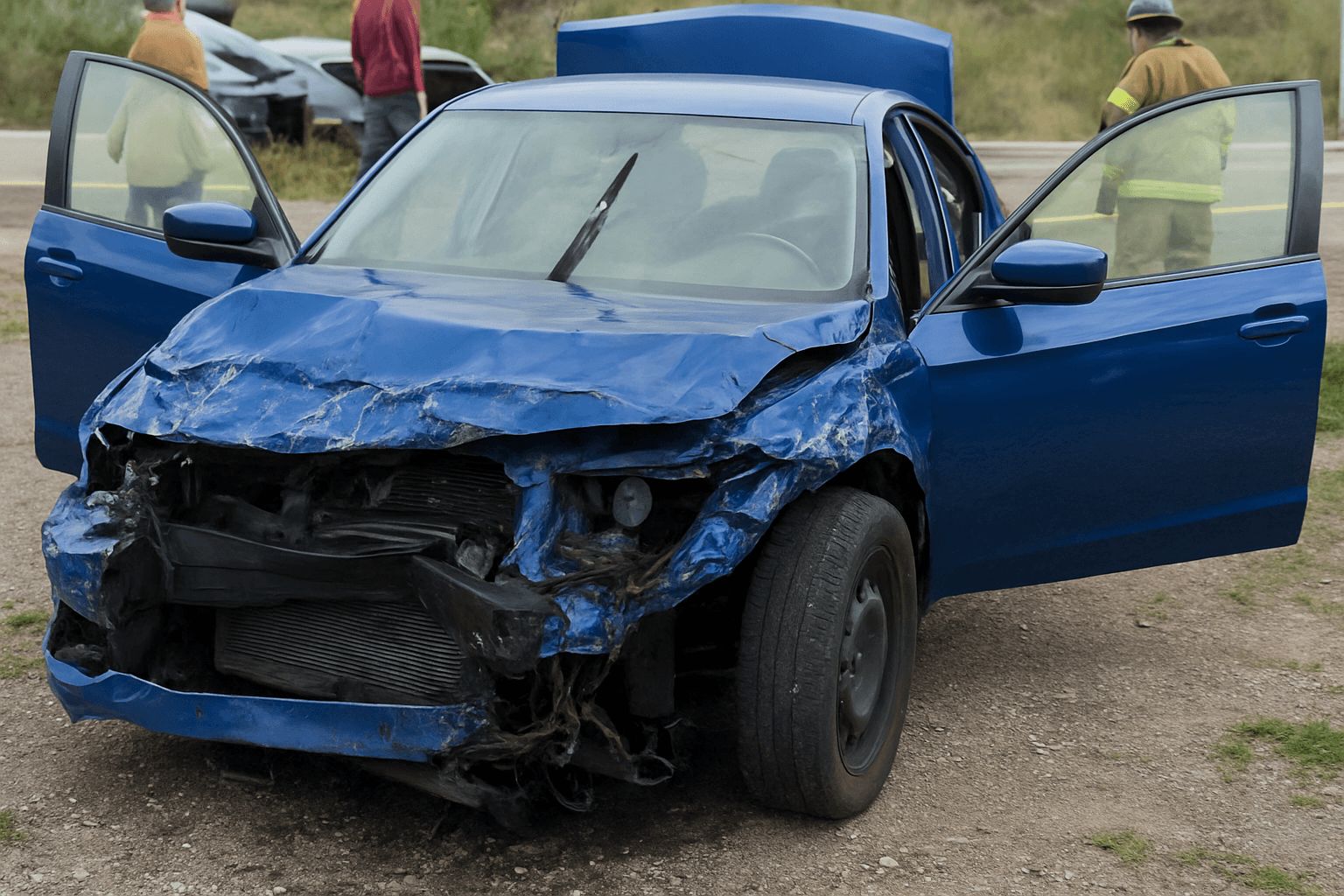
Full coverage also makes sense if your vehicle's actual cash value exceeds $8,000 and you cannot afford to replace it out of pocket after a total loss. Collision coverage pays for damage to your vehicle after an at-fault accident; comprehensive covers theft, vandalism, weather, and animal strikes. If losing your vehicle would eliminate your ability to get to work, school, or court-ordered DUI programming, the premium gap may be worth the protection.
Deductible selection matters more than coverage type when managing post-DUI premiums. A $1,000 deductible cuts your full coverage premium 15–25% compared to a $500 deductible. If you can self-insure the first $1,000 of damage, the higher deductible makes full coverage affordable for drivers who need it but are managing tight budgets during the SR-22 period.
How Premium Differences Break Down by Vehicle Value in Wyoming
A 35-year-old male driver in Cheyenne with a first-offense DUI (BAC 0.12%) and SR-22 filing requirement would pay approximately $125–$155/month for liability-only coverage at Wyoming state minimums. The same driver on a 2015 Ford F-150 worth $18,000 would pay $240–$310/month for full coverage with a $1,000 deductible — a $1,380–$1,860 annual premium difference.
For drivers with older vehicles under $5,000 in value, full coverage becomes cost-prohibitive relative to vehicle worth. A 2008 Chevrolet Malibu worth $3,200 might carry a $215/month full coverage premium. Over a three-year SR-22 period, you would pay $7,740 in premiums to insure a vehicle worth less than half that amount. Liability-only coverage on the same vehicle runs $130–$150/month, or $4,680–$5,400 over three years.
Commercial vehicles, motorcycles, and RVs face different rate structures. SR-22 filing is vehicle-class-specific in Wyoming, and non-standard carriers price collision coverage on trucks and SUVs 20–35% higher than sedans due to higher claim severity. If you drive a work truck or commercial vehicle, liability-only coverage eliminates the vehicle-class premium multiplier entirely.
What Happens If You Start With Full Coverage and Drop to Liability-Only Mid-Filing
You can reduce coverage from full to liability-only at any point during your three-year SR-22 filing period without triggering a filing lapse, as long as your liability limits remain at or above Wyoming's 25/50/20 minimums. Your carrier will file an SR-22 update with the Wyoming DOT reflecting the coverage change, but your filing status remains continuous and your compliance clock does not reset.
Carriers cannot cancel your policy or refuse to file SR-22 solely because you drop physical damage coverage. The SR-22 certificate tests only for liability coverage, and reducing to state minimums satisfies that test. Most non-standard carriers allow mid-term coverage changes online or by phone, though some assess a $25–$50 policy change fee.
Timing matters if you are close to paying off a vehicle loan. Once your lienholder releases the lien and you receive an updated title showing no lienholder, contact your carrier immediately to request a liability-only policy change. Waiting until your policy renews means paying full coverage premiums for months after the lien requirement ends. The coverage reduction typically takes effect within 24–48 hours of your request and generates a pro-rated refund for the unused portion of your full coverage premium.
How Liability-Only Coverage Affects Your SR-22 Filing Cost and Reinstatement Timeline
SR-22 filing fees in Wyoming range from $25 to $50 depending on carrier, and this fee is identical whether you carry liability-only or full coverage. The filing fee is a one-time charge at policy inception, not an annual cost, though some carriers assess a $15–$25 re-filing fee if you switch carriers mid-period.
Your three-year SR-22 filing period begins on the date Wyoming reinstates your driving privileges, not the date of your DUI conviction or the date you purchase SR-22 insurance. If your license was suspended for 90 days after your DUI, your filing period starts the day you pay your reinstatement fee and receive a valid license. Purchasing SR-22 coverage before reinstatement does not shorten your filing timeline.
Liability-only coverage does not extend your filing period or delay reinstatement. The Wyoming Department of Transportation receives electronic SR-22 confirmation within 24 hours of policy binding, and reinstatement processing takes 3–5 business days after the SR-22 is filed and reinstatement fees are paid. Full coverage policies process on the same timeline. The coverage level you select affects only your premium, not your compliance status or reinstatement speed.
Which Non-Standard Carriers in Wyoming Write Liability-Only DUI SR-22 Policies
Dairyland, The General, and GAINSCO write liability-only SR-22 policies for DUI filers in Wyoming without requiring full coverage. Bristol West writes liability-only in most Wyoming counties but may require collision coverage for drivers with multiple DUI convictions or suspended license reinstatements within the past 24 months. Direct Auto operates in Cheyenne and Casper and offers liability-only SR-22, though their quote engine defaults to full coverage unless you request liability explicitly.
Progressive and GEICO will file SR-22 for existing customers who receive a first-offense DUI, but both typically non-renew at the end of the current policy term. If you are quoted a renewal, both carriers allow liability-only coverage for owned vehicles. State Farm and Allstate follow a similar non-renewal pattern and rarely write new DUI-SR-22 business in Wyoming.
Non-owner SR-22 policies are liability-only by definition and cost $30–$50/month in Wyoming. If you do not own a vehicle but need SR-22 filing to reinstate your license, a non-owner policy satisfies the state's requirement and eliminates any pressure to carry physical damage coverage you do not need.