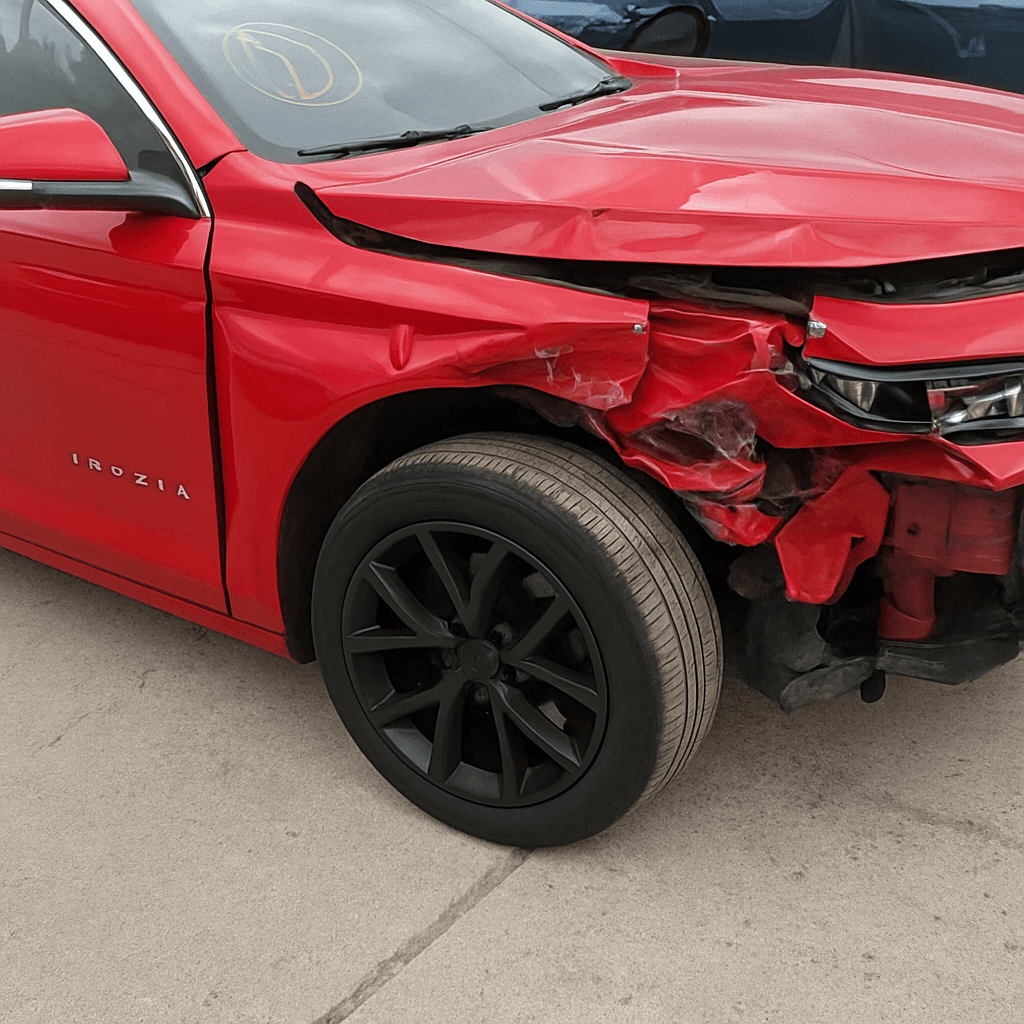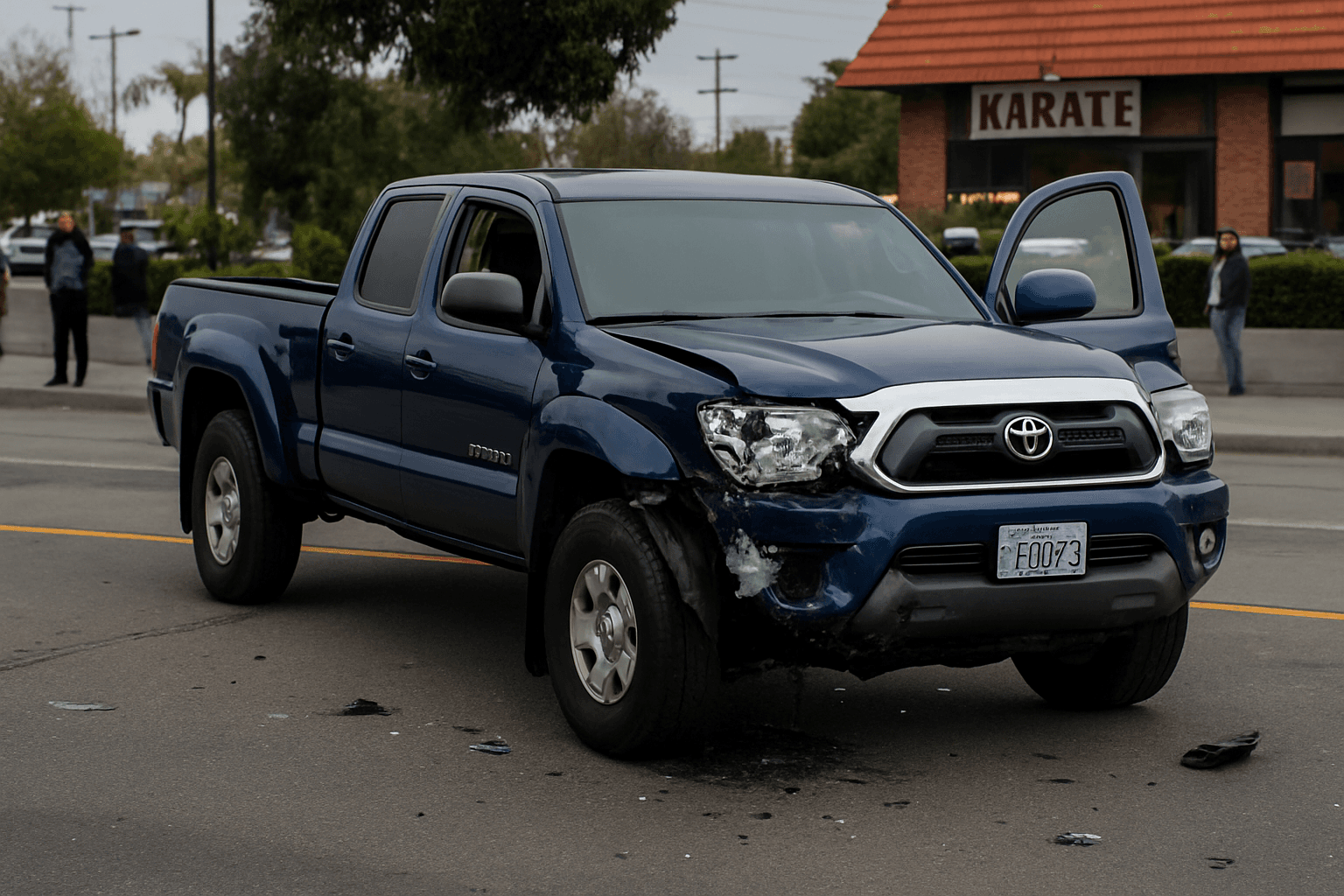
Tennessee DUI convictions require 3 years of SR-22 filing, but the state doesn't mandate collision or comprehensive coverage — which means you can legally carry liability-only SR-22 and save $80–$140/mo while staying compliant.
Tennessee SR-22 Filing After DUI Requires Liability Coverage, Not Full Coverage
Tennessee DUI convictions trigger a mandatory 3-year SR-22 filing period measured from your conviction date, not your license reinstatement date. The state requires proof of liability coverage at minimum limits of 25/50/15 — $25,000 bodily injury per person, $50,000 per accident, $15,000 property damage. Tennessee does not require collision or comprehensive coverage as a condition of SR-22 compliance, even after a DUI.
Your lender requires full coverage if you're financing or leasing a vehicle. If you own your car outright, you can legally carry liability-only SR-22 and satisfy both state law and DMV reinstatement requirements. Most carriers will quote you full coverage by default after a DUI because it protects their exposure if you total the vehicle while high-risk, but that's a carrier preference, not a legal mandate.
Liability-only SR-22 in Tennessee after DUI typically runs $110–$180/mo with a non-standard carrier. Full coverage on the same profile runs $190–$320/mo. The $80–$140/mo difference adds up to $2,880–$5,040 over your 3-year filing period if you're paying for coverage the state doesn't require.
What Full Coverage Adds Beyond the SR-22 Filing Requirement
Full coverage means liability plus collision and comprehensive. Collision pays to repair your vehicle after an at-fault accident. Comprehensive covers theft, vandalism, weather damage, and animal strikes. Neither coverage type affects your SR-22 filing status or your legal compliance in Tennessee.
If you're driving a vehicle worth less than $5,000 and you own it outright, full coverage premiums often exceed the vehicle's actual cash value within 18–24 months of your filing period. A 2012 sedan valued at $4,200 with a $500 collision deductible and $500 comprehensive deductible might generate $1,920 in annual physical damage premiums — nearly half the car's value each year.
Full coverage makes sense if your vehicle is worth more than $8,000, you cannot afford to replace it out of pocket, or you're financing and the lender mandates it. It does not make sense as a compliance strategy. Tennessee SR-22 filing survives on liability-only as long as the policy stays active and the liability limits meet or exceed state minimums.
Find out exactly how long SR-22 is required in your state
How Carriers Price DUI SR-22 Policies With and Without Physical Damage Coverage
Non-standard carriers writing Tennessee DUI-SR-22 policies calculate base liability premiums first, then add physical damage coverage as a multiplier. A typical liability-only DUI-SR-22 policy with 25/50/15 limits might run $1,320–$2,160 annually. Adding collision and comprehensive to that same policy increases the annual premium to $2,280–$3,840, depending on vehicle value, deductible selection, and your conviction class.
First-offense standard DUI convictions (BAC 0.08–0.149, no injury, no minor in vehicle) generate lower physical damage premiums than aggravated DUI convictions (BAC 0.20+, injury, child endangerment). Carriers assume aggravated convictions signal higher accident probability and price collision coverage accordingly. Repeat-offense DUI drivers often face substandard-tier collision pricing or outright declination for physical damage coverage even when liability-only SR-22 is available.
Carriers writing Tennessee DUI-SR-22 with full coverage options include Bristol West, Dairyland, GAINSCO, The General, Direct Auto, and Acceptance. Availability varies by county and conviction class. Most mainstream carriers — State Farm, Geico, Allstate, Progressive — will file SR-22 for existing customers after a first-offense DUI but typically non-renew at policy term and rarely write new DUI policies with physical damage coverage.
Lien Holder Requirements Override State SR-22 Rules
If you're financing or leasing your vehicle, your lender's contract requires full coverage regardless of Tennessee SR-22 law. The lien holder clause in your finance agreement mandates collision and comprehensive to protect the lender's collateral interest. Dropping to liability-only while under lien violates your loan agreement and triggers forced-place insurance — a lender-purchased policy that costs 2–4 times standard market rates and provides no liability protection for you.
Once you pay off the loan and receive the title, the lien holder requirement disappears. You can drop physical damage coverage immediately and maintain SR-22 filing with liability-only as long as your vehicle is titled in your name. Some drivers finish their auto loan midway through the 3-year SR-22 period and switch to liability-only at that point, cutting their remaining premiums by 40–55%.
If you total a financed vehicle while carrying only liability coverage, you still owe the full loan balance and you lose transportation. Gap insurance covers the difference between your vehicle's actual cash value and your remaining loan balance, but gap policies require collision and comprehensive to be active at the time of the loss.
How Switching Coverage Mid-Filing Affects Your SR-22 Compliance
You can switch from full coverage to liability-only at any point during your 3-year Tennessee SR-22 filing period without affecting compliance, as long as your new policy maintains continuous SR-22 filing and meets state liability minimums. Contact your new carrier before canceling your current policy. The new carrier files a new SR-22 with the Tennessee Department of Safety, and you cancel the old policy only after the new SR-22 is active.
Any gap in SR-22 filing — even one day — resets your 3-year clock to zero in Tennessee. If you drop full coverage, switch carriers, and allow a lapse between policies, the state treats it as a compliance failure and restarts your filing period from the date you refile. The safest process: bind the new liability-only policy with SR-22 filing, confirm the new SR-22 is on file with the state, then cancel the old full-coverage policy with an effective date matching the new policy's start date.
Switching coverage does not affect your premium with the old carrier retroactively, but it does eliminate physical damage coverage the moment the new policy takes effect. If you total your vehicle the day after switching to liability-only, you receive no collision payout and no comprehensive coverage for the loss.
When Liability-Only SR-22 Makes Sense and When It Doesn't
Liability-only SR-22 works when you own your vehicle outright, the vehicle is worth less than $6,000, and you can absorb the loss if the car is totaled or stolen. It works when your 3-year filing period is your priority and you're managing other DUI-related costs — court fines, IID installation and monitoring, DUI education programs, reinstatement fees — and need to reduce monthly obligations wherever state law allows.
Full coverage makes sense when your vehicle is worth more than $8,000, you cannot afford to replace it out of pocket, or the vehicle is financed and the lender mandates it. It makes sense when you're driving in high-theft areas or high-accident corridors and the statistical probability of a claim justifies the premium. It does not make sense as a way to "look better" to the state or "prove responsibility" during your SR-22 period — Tennessee does not track your coverage level beyond the liability minimums.
Your conviction class, driving history in the 36 months before the DUI, and vehicle value determine whether full coverage is priced reasonably or priced to discourage you from buying it. Request quotes for both liability-only SR-22 and full-coverage SR-22 from the same carrier and compare the annual difference against your vehicle's current market value. If the annual physical damage premium exceeds 35% of the vehicle's value, liability-only is usually the correct financial decision for owned vehicles.