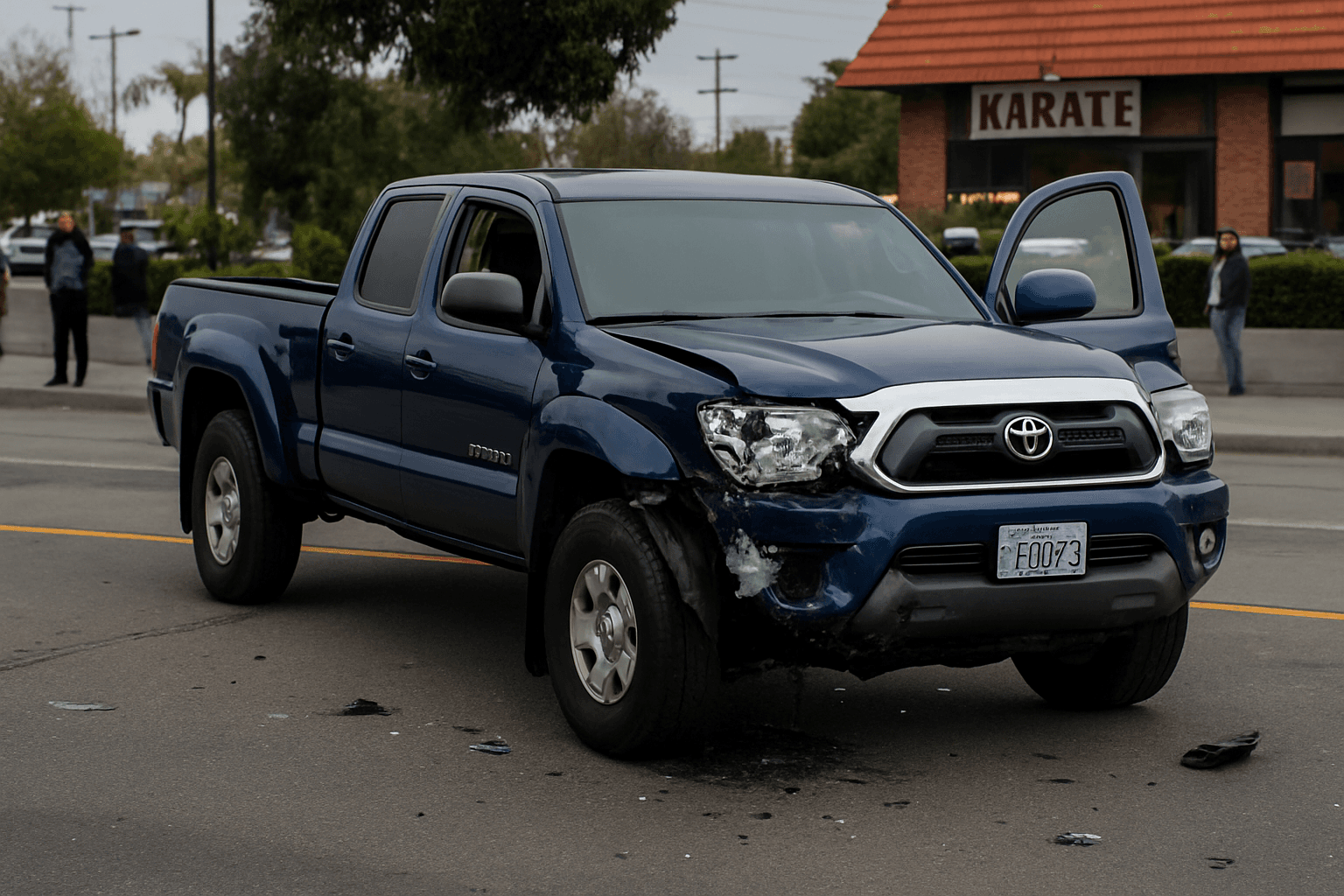
Tennessee classifies fourth DUI offenses and DUIs causing serious injury or death as felonies, triggering mandatory SR-22 filing, higher rates, and severely limited carrier options. Here's what happens to your insurance.
What qualifies as a felony DUI in Tennessee and how does it differ from misdemeanor DUI
Tennessee elevates DUI to a Class E felony on your fourth offense within 10 years, for DUIs causing serious bodily injury, or for vehicular homicide involving alcohol. The first three offenses remain misdemeanors unless aggravating factors apply.
Felony DUI carries a minimum one-year jail sentence, vehicle seizure, and a permanent license revocation unless you petition for reinstatement after serving your sentence. Misdemeanor DUI suspensions range from one to two years depending on offense number.
The insurance consequence is permanent: a felony conviction remains on your driving record indefinitely in Tennessee, while misdemeanor DUIs drop off after seven years. Most carriers check criminal background in addition to MVR, so even after the seven-year MVR window closes, the felony conviction blocks you from standard market carriers.
SR-22 filing requirements after a Tennessee felony DUI conviction
Tennessee requires SR-22 filing for six years following felony DUI conviction, measured from your license reinstatement date, not your conviction date. If you serve jail time before petitioning for reinstatement, your SR-22 clock hasn't started yet.
You must maintain continuous SR-22 coverage for the full six years without any lapses. A single missed premium payment that causes policy cancellation resets your six-year requirement to day zero. Your insurer notifies the Tennessee Department of Safety immediately when coverage lapses.
The SR-22 certificate itself costs $25–$50 to file in Tennessee, but the real cost is the premium increase tied to felony conviction. Expect rates 200–350% higher than a clean-record driver would pay for the same coverage.
Find out exactly how long SR-22 is required in your state
Which carriers will write SR-22 policies after felony DUI in Tennessee
State Farm, Geico, Allstate, and Progressive do not write new policies for drivers with felony DUI convictions in Tennessee. If you held a policy before conviction, most will file SR-22 but non-renew at your policy term — typically six months out.
Non-standard carriers that actively write felony DUI SR-22 policies in Tennessee include Dairyland, Direct Auto, The General, Bristol West, and GAINSCO. Availability varies by county, and not all agents appointed with these carriers accept felony-conviction risks.
Expect monthly premiums between $180 and $320 for minimum liability SR-22 coverage after felony DUI in Tennessee. Full coverage with comprehensive and collision typically runs $380–$550 per month. These are non-standard market rates as of current filings — shopping multiple non-standard carriers can yield 20–40% variation for identical coverage.
Tennessee license reinstatement process after felony DUI
Felony DUI triggers permanent license revocation in Tennessee. You cannot reinstate until you complete your sentence, serve any probation period, and petition the Tennessee Department of Safety for reinstatement eligibility.
The reinstatement petition requires proof of completed alcohol treatment, payment of all court fines and fees, installation of an ignition interlock device for the duration of your restricted license period, and SR-22 filing before reinstatement is granted. Processing takes 45–90 days after submission.
Once approved, Tennessee issues a restricted license requiring IID for a minimum of two years. Full unrestricted driving privileges are not available until you complete the restricted period, maintain SR-22 for six years, and petition again. Most felony DUI drivers remain on restricted licenses with IID for 3–5 years before receiving full privileges.
How long felony DUI affects your insurance rates in Tennessee
The felony conviction itself remains on your criminal record permanently in Tennessee. Carriers review both your MVR and criminal background during underwriting, so the felony status impacts your insurability even after the DUI drops from your driving record at seven years.
Rate surcharges tied specifically to the DUI violation typically persist for seven years from conviction date. After seven years, carriers can no longer rate you for the DUI event itself, but the felony criminal record still disqualifies you from standard market carriers.
You will remain in the non-standard insurance market indefinitely after felony DUI in Tennessee. Some non-standard carriers reduce rates after five years of clean driving post-conviction, but expect premiums to remain 80–150% higher than standard market rates for at least a decade.
What happens if you let SR-22 coverage lapse during your filing period
Tennessee law requires your insurer to notify the Department of Safety within 15 days of policy cancellation or lapse. The Department suspends your license immediately — no grace period, no warning letter.
Reinstating after an SR-22 lapse requires filing a new SR-22 certificate, paying a $75 reinstatement fee, and restarting your six-year SR-22 requirement from day zero. A lapse six months before your original filing period ends means you now owe six more years of SR-22, not six months.
Driving on a suspended license after SR-22 lapse is a Class B misdemeanor in Tennessee, carrying up to six months jail time and converting your restricted license eligibility to full revocation. The practical consequence: one missed payment extends your SR-22 obligation by years and can cost you license eligibility entirely.
Cost comparison: minimum liability SR-22 vs full coverage after felony DUI
Tennessee's minimum liability SR-22 coverage after felony DUI typically costs $180–$240 per month through non-standard carriers. This covers 25/50/15 limits required by state law — $25,000 per person injured, $50,000 per accident, $15,000 property damage.
Full coverage adding comprehensive and collision runs $380–$550 per month for a vehicle valued under $15,000. Carriers require higher deductibles — typically $1,000 minimum — for felony-conviction policies, and some exclude comprehensive entirely for the first two years of coverage.
If you don't own a vehicle, non-owner SR-22 policies cost $80–$140 per month in Tennessee and satisfy your filing requirement while maintaining continuous coverage. This is the lowest-cost path if you're using borrowed vehicles or public transit during your restricted license period.