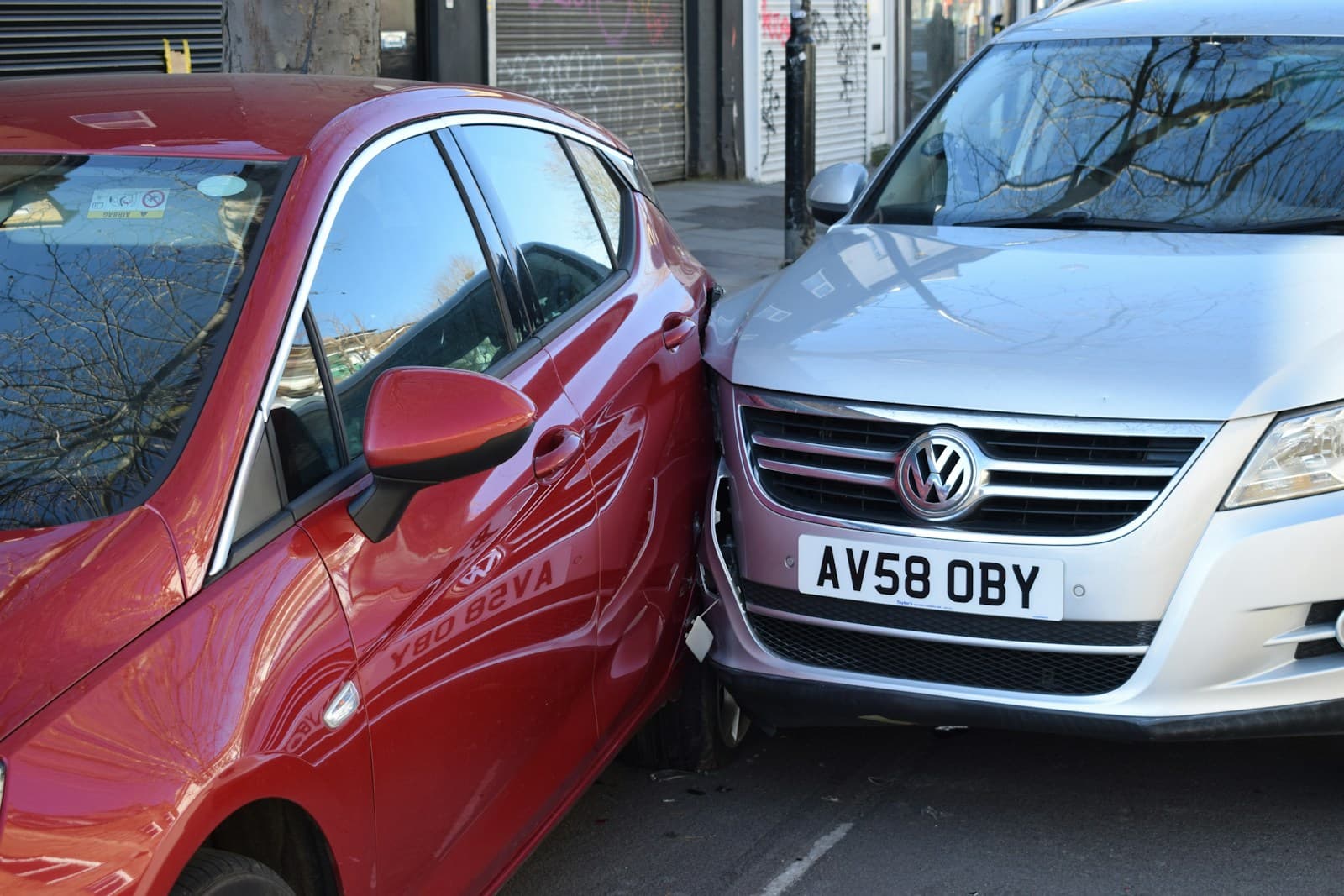
Connecticut mandates 3 years of SR-22 after DUI, but your coverage choice affects more than cost. Liability-only meets state filing requirements at $120–$180/mo, but gaps your own vehicle damage. Full coverage runs $280–$450/mo and protects collision/comp claims most DUI drivers can't afford out-of-pocket.
What Connecticut's SR-22 Filing Actually Requires for Coverage
Connecticut requires SR-22 filing for 3 years after a DUI conviction, measured from your license reinstatement date. The SR-22 itself is a certificate your insurer files with the Connecticut DMV proving you carry at least state minimum liability: $25,000 bodily injury per person, $50,000 per accident, and $25,000 property damage. Liability-only coverage satisfies this filing requirement completely.
Full coverage adds collision and comprehensive to that liability base. Connecticut law does not require collision or comprehensive for SR-22 compliance. You can legally maintain your SR-22 filing with liability-only insurance for the entire 3-year period.
The confusion starts when drivers assume "SR-22" means a specific coverage tier. It doesn't. SR-22 is a filing mechanism that works with any coverage level meeting state minimums. Your lender, lease company, or personal financial situation determines whether liability-only is viable, not the DMV.
Monthly Cost Difference Between Liability and Full Coverage After DUI
Liability-only SR-22 policies in Connecticut after DUI typically cost $120–$180 per month. Full coverage SR-22 policies run $280–$450 per month. The $160–$270 monthly spread is significant over a 3-year filing period: $5,760–$9,720 in cumulative premium difference.
That cost gap reflects collision and comprehensive exposure. A DUI conviction typically increases base rates 70–130% across all coverage tiers. Carriers writing post-DUI policies — Bristol West, Dairyland, GAINSCO, The General — apply that multiplier to full coverage limits that already carry higher base premiums than liability.
Drivers who own their vehicle outright and carry savings sufficient to replace it often choose liability-only to minimize the SR-22 premium penalty. Drivers financing or leasing must carry full coverage per loan agreement, regardless of SR-22 cost.
Find out exactly how long SR-22 is required in your state
When Liability-Only Creates Gap Risk You Can't Afford
Liability-only covers damage you cause to others. It pays zero dollars toward your own vehicle after an at-fault accident, theft, vandalism, weather damage, or collision with an animal. If your vehicle is totaled and you owe $12,000 on the loan, liability-only leaves you holding that balance with no vehicle.
This gap becomes acute during the SR-22 period because any lapse — even one day without active coverage — resets your 3-year Connecticut filing clock to zero. Drivers who total a financed vehicle and drop coverage while arranging replacement transportation frequently trigger this reset unintentionally.
Liability-only works when you own the vehicle outright, have replacement funds immediately available, and can tolerate losing the vehicle's value in a single incident. It fails when any of those conditions are false. Most post-DUI drivers overestimate their ability to self-insure collision risk.
Lender Requirements Override SR-22 Minimum Compliance
If you finance or lease your vehicle, your loan agreement requires comprehensive and collision coverage regardless of what Connecticut's SR-22 filing mandates. The lender holds a lienholder interest in the vehicle and will not accept liability-only coverage.
Some post-DUI drivers attempt to satisfy the lender by purchasing full coverage, then downgrade to liability-only once the SR-22 filing is active. This triggers a lender notification, forces-placed insurance at 2–3 times your quoted rate, and potential loan default. The lender receives automatic alerts when collision or comprehensive coverage is removed.
Owning your vehicle outright is the only scenario where choosing between liability-only and full coverage is financially optional. Financed and leased vehicles require full coverage for the loan term, which typically exceeds the 3-year SR-22 period.
How Your Vehicle's Actual Cash Value Changes the Decision
Vehicles worth less than $3,000–$4,000 are often poor candidates for collision and comprehensive coverage. If your vehicle's actual cash value is $2,500 and your annual collision premium is $800, you're paying 32% of the vehicle's value yearly to insure it. After a $500 or $1,000 deductible, a total-loss payout barely exceeds cumulative premiums.
Connecticut post-DUI full coverage policies frequently carry $500–$1,000 collision deductibles. A vehicle valued at $3,000 with a $1,000 deductible pays out a maximum $2,000 after total loss. Over 3 years of SR-22 filing at $320/month for full coverage versus $150/month for liability-only, you pay $6,120 extra for collision/comp. That's more than three times the maximum payout on a total loss.
This math reverses for vehicles worth $10,000 or more. A $15,000 vehicle totaled without collision coverage is a $15,000 out-of-pocket loss. The $170/month collision premium is 13.6% of vehicle value annually — painful during SR-22 filing, but rational compared to replacement cost exposure.
Switching Coverage Tiers Mid-Filing Without Triggering a Lapse
You can change from full coverage to liability-only or vice versa during your Connecticut SR-22 period without affecting your filing status, as long as continuous coverage is maintained. The SR-22 certificate tracks that you carry minimum liability limits, not which optional coverages are active.
The switch must occur on the same effective date your new policy starts. A gap of even one calendar day between your old policy's cancellation and your new policy's effective date constitutes a lapse. Connecticut's DMV receives immediate electronic notification of SR-22 cancellations and will suspend your license if replacement coverage is not already active.
Drivers switching from financed to owned vehicles mid-filing period — because the loan was paid off or the vehicle was replaced with a cash purchase — can downgrade to liability-only at that point. Notify your insurer of the lienholder release, request removal of collision and comprehensive, and confirm the SR-22 remains active through the change. Most non-standard carriers process this as a mid-term policy adjustment with no filing interruption.
Which Non-Standard Carriers in Connecticut Offer Both Tiers
Bristol West, Dairyland, GAINSCO, The General, and Acceptance all write post-DUI SR-22 policies in Connecticut and offer both liability-only and full coverage options. Availability varies by zip code and conviction details — aggravated DUI or repeat offense narrows carrier acceptance further.
Most mainstream carriers — State Farm, Geico, Allstate, Progressive — will file SR-22 for existing customers post-DUI but typically non-renew at the end of the current policy term. New post-DUI policies generally require the non-standard market. Coverage tier flexibility is wider in the non-standard market because these carriers price DUI risk as standard business, not exceptional exposure.
Quoting both liability-only and full coverage from the same carrier allows direct cost comparison on identical policy structures. The difference isolates collision and comprehensive premium only, making the financial trade-off transparent.