South Carolina requires 3 years of SR-22 filing after DUI. Dropping to liability-only cuts your premium by 40–60%, but one at-fault accident restarts your entire SR-22 period and adds a second filing requirement.
South Carolina's SR-22 Filing Period Applies to Both Coverage Levels
South Carolina DMV requires 3 years of continuous SR-22 filing after a DUI conviction, measured from your license reinstatement date. This filing period does not change whether you carry liability-only or full coverage — the SR-22 is a proof-of-insurance filing, not a coverage mandate. Your insurer files SR-22 monthly with the DMV confirming your policy is active and meets state minimums.
The state minimums are $25,000 bodily injury per person, $50,000 bodily injury per accident, and $25,000 property damage — commonly written as 25/50/25. Liability-only SR-22 policies meet this threshold. Full coverage policies include collision and comprehensive on top of liability, protecting your vehicle and financial exposure beyond what the state requires.
Choosing liability-only satisfies your DMV requirement but shifts all at-fault accident costs to you. In a state where 1 in 8 drivers carries no insurance, that exposure compounds quickly.
What You Pay for Each Coverage Level After DUI in South Carolina
Liability-only SR-22 policies in South Carolina after DUI typically run $110–$180/mo through non-standard carriers. Full coverage with collision and comprehensive runs $260–$420/mo for the same driver profile. The 40–60% savings from dropping full coverage is the reason most DUI-SR-22 drivers switch to liability-only immediately after conviction.
That savings calculation breaks down if you cause a second accident during your filing period. South Carolina assigns 6 points for at-fault accidents with property damage over $400. A single at-fault claim triggers a second SR-22 filing requirement — not in addition to your DUI filing period, but resetting your entire 3-year clock from the new violation date. You now owe 3 years from the accident, not the original DUI.
Carriers writing DUI-SR-22 policies in South Carolina include The General, Dairyland, Bristol West, GAINSCO, and Direct Auto. Most quote both liability-only and full coverage, but availability varies by county and prior conviction class. Repeat-offense DUI or aggravated DUI with injury narrows your carrier pool significantly.
Find out exactly how long SR-22 is required in your state
Why South Carolina's Uninsured Driver Rate Makes Liability-Only Riskier
South Carolina has the 7th-highest uninsured motorist rate in the U.S. at approximately 12.9%, according to Insurance Research Council data. That means 1 in 8 drivers you share I-26, I-85, and I-95 with carries no insurance. If an uninsured driver hits you and you carry only liability coverage, you have no collision coverage to repair your vehicle and no UM/UIM coverage unless you added it separately.
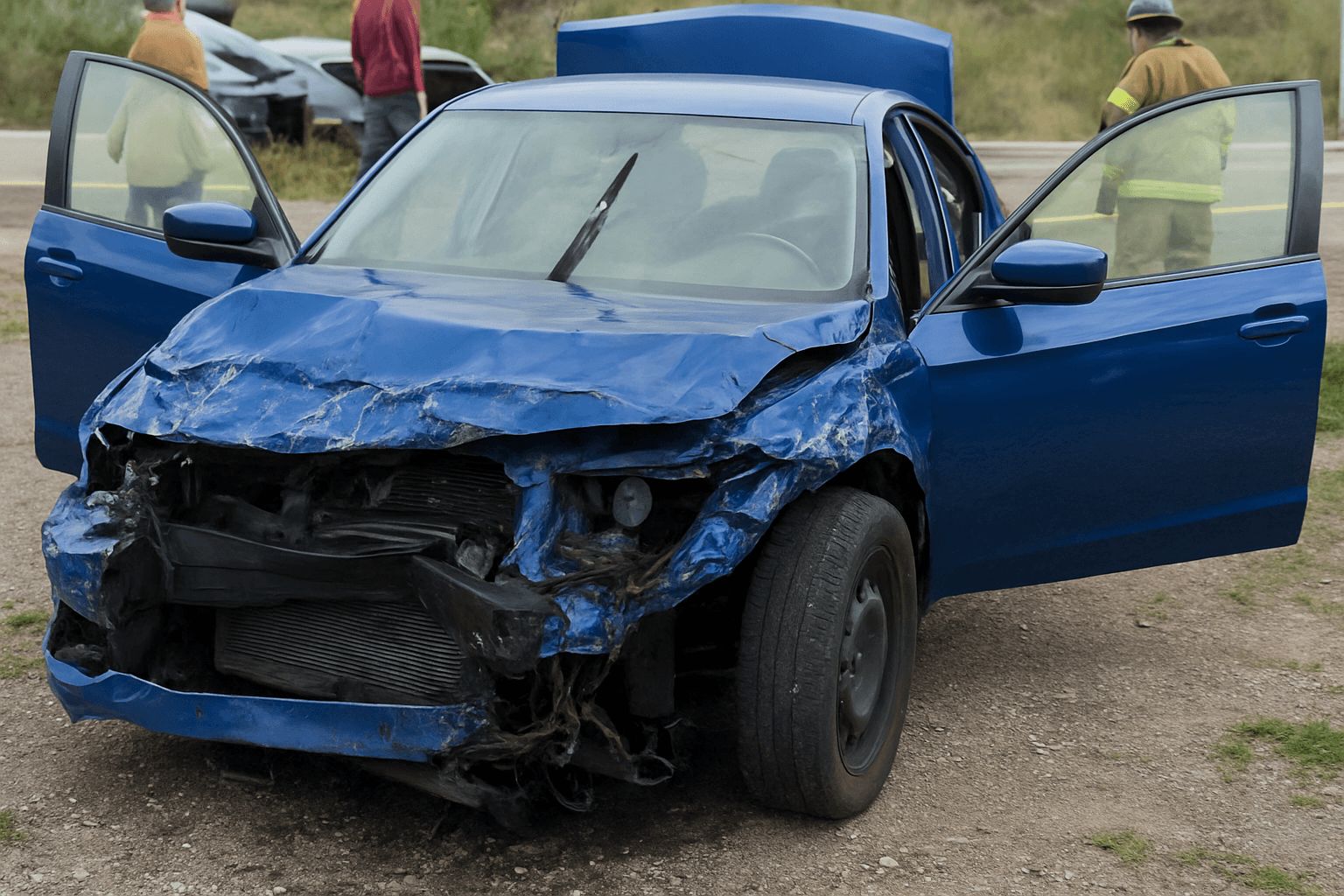
Liability-only policies do not cover your own vehicle damage, regardless of fault. If you cause an accident, liability pays the other driver's repairs and medical bills up to your policy limits — but you pay your own vehicle repairs out of pocket. For a 2018 Honda Accord or Toyota Camry, a front-end collision repair averages $4,200–$6,800 in the Charleston and Greenville metro areas. That cost falls entirely on you with liability-only.
Uninsured motorist coverage is not bundled automatically with liability-only SR-22 policies in South Carolina. You must request it explicitly, and most non-standard carriers price it as an add-on that increases your premium by $18–$35/mo. Without it, you rely on the at-fault driver's insurance — which 1 in 8 drivers in SC do not carry.
When Liability-Only Makes Sense During Your SR-22 Period
Liability-only is the correct choice if your vehicle is worth under $3,000, you have reliable access to alternative transportation, and you can absorb a total vehicle loss without financing a replacement. If you're driving a 2008 sedan with 180,000 miles and no loan, paying $260/mo for full coverage protects an asset worth less than one year of premiums.
It also works if you're parking the vehicle and carrying a non-owner SR-22 policy instead. South Carolina allows non-owner SR-22 filing if you do not own a vehicle titled in your name. Non-owner policies provide liability-only coverage when you drive borrowed or rental vehicles, typically costing $45–$85/mo after DUI. This option ends your SR-22 requirement without maintaining full coverage on a parked car.
But if you're commuting daily on I-26 between Charleston and Columbia, or navigating Greenville metro traffic on I-385, liability-only leaves you one at-fault accident away from restarting your entire SR-22 clock and covering $5,000+ in repairs out of pocket. For drivers who cannot afford that exposure, full coverage is the defensive position.
How a Second Violation During SR-22 Filing Resets Your Clock
South Carolina DMV treats each SR-22 trigger as a separate filing period. If you receive a DUI conviction in January 2024 and reinstate your license with SR-22 in March 2024, your filing period runs through March 2027. If you cause an at-fault accident in June 2025 that assigns 6 points, DMV issues a second SR-22 requirement starting from June 2025. Your new end date is June 2028, not March 2027.
This stacking applies to any SR-22-eligible violation: driving under suspension, reckless driving, leaving the scene of an accident, or accumulating 12 points in 12 months. Each event restarts the 3-year period independently. Carriers do not waive the new requirement because you're already filing SR-22 — they file an additional FR-10 form with DMV documenting the second trigger.
The rate impact is immediate. A second violation during active SR-22 filing moves you from non-standard to high-risk non-standard. Expect premium increases of 25–40% at your next renewal, and some carriers will non-renew entirely rather than continue coverage. The General and Dairyland typically retain twice-convicted drivers; State Farm and Progressive do not.
What Full Coverage Protects Against That Liability-Only Does Not
Full coverage includes collision and comprehensive on top of liability. Collision covers your vehicle damage in any at-fault accident, minus your deductible. Comprehensive covers theft, vandalism, hail, fire, and animal strikes. Both coverages pay regardless of fault — if a deer totals your vehicle on US-321 outside Rock Hill, comprehensive pays your vehicle's actual cash value minus your deductible.
South Carolina does not require collision or comprehensive by law, but lenders require both if you're financing or leasing a vehicle. If you carry a loan on a 2020 Honda CR-V and drop to liability-only, you violate your loan agreement and the lender will force-place coverage at 2–3x your normal premium. That forced coverage typically provides only enough protection to satisfy the lien, leaving you underinsured.
Full coverage also allows you to add uninsured motorist property damage (UMPD) and collision deductible waiver options. UMPD covers your vehicle repairs when an uninsured driver hits you, and South Carolina is one of 12 states where this coverage sees frequent use due to the high uninsured rate. Liability-only policies do not offer UMPD.
Switching Between Coverage Levels During Your Filing Period
You can switch from full coverage to liability-only or vice versa at any point during your 3-year SR-22 filing period without restarting the clock. The SR-22 filing itself continues uninterrupted as long as your policy remains active and meets South Carolina's 25/50/25 minimum liability limits. Your carrier files an updated SR-22 form reflecting the coverage change, but DMV does not treat this as a new filing requirement.
The risk is in timing. If you drop to liability-only in month 8 of your filing period and cause an at-fault accident in month 14, you've lost 14 months of collision protection and now owe a second 3-year SR-22 period starting from the accident date. Switching back to full coverage after an accident does not erase the reset — the new filing period is locked at the violation date.
Most DUI-SR-22 drivers in South Carolina reduce coverage in year 1 when premiums are highest, then restore full coverage in year 2 once rates drop 15–25% for claim-free driving. This staged approach balances cost control against filing-period extension risk, but it requires discipline. Missing a single month of coverage during SR-22 filing triggers an FR-10 lapse notice to DMV and restarts your entire 3-year requirement from reinstatement.