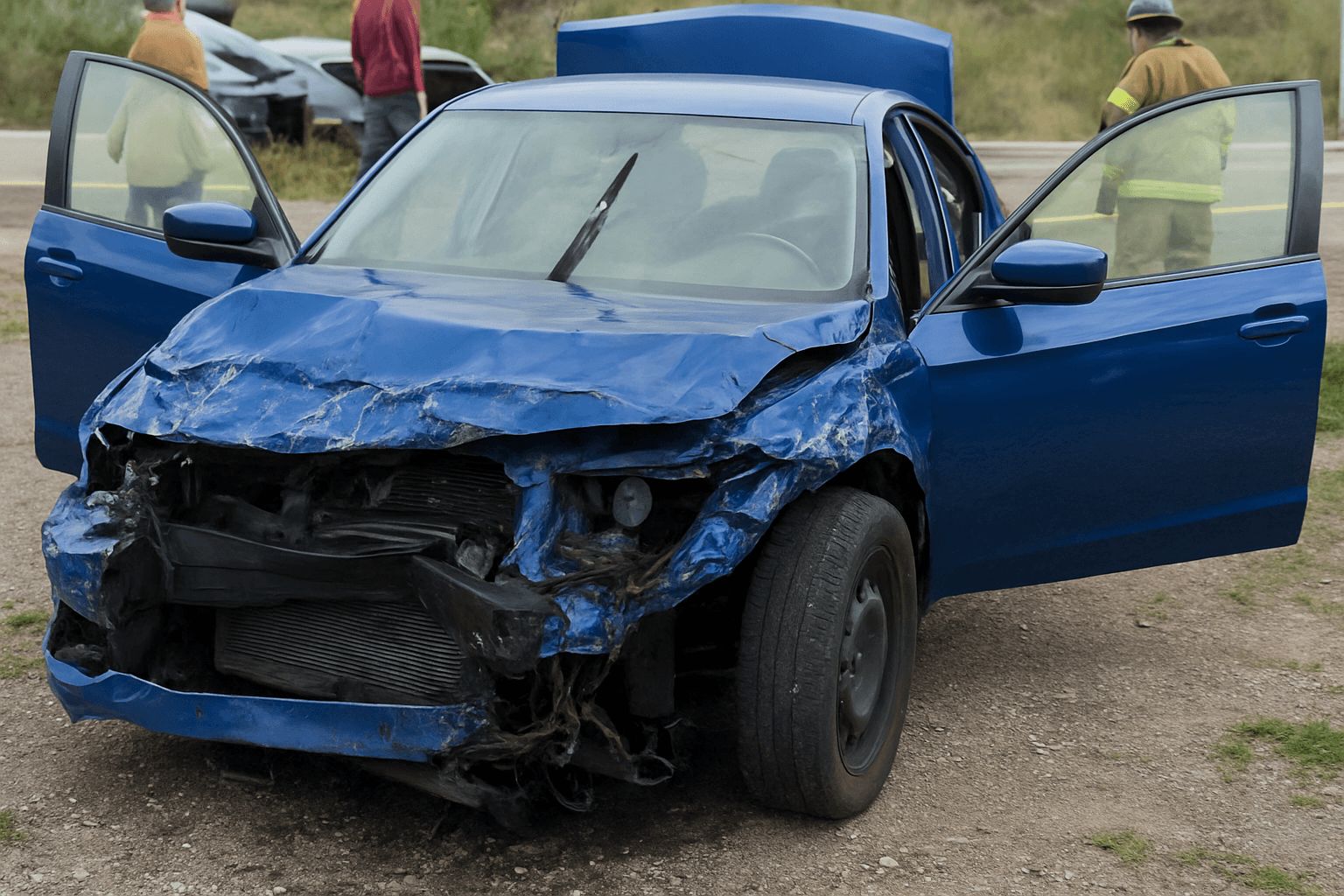
South Carolina DUI convictions trigger 3 years of SR-22 filing, but the hidden cost isn't the filing fee—it's the insurance rate spike that follows, and it varies by conviction class in ways most carriers won't explain upfront.
What SR-22 Filing Actually Costs in South Carolina
South Carolina charges a flat $50 SR-22 filing fee through your insurance carrier, but this one-time administrative cost is a fraction of what you'll pay. The Department of Motor Vehicles requires your carrier to file electronically and maintain continuous certification for 3 years from your reinstatement date—not your conviction date.
The filing fee itself is standardized across all carriers writing high-risk policies in South Carolina. You pay it once when your carrier submits the SR-22, but if your policy lapses even one day during the 3-year period, your carrier files an SR-26 cancellation notice and the clock resets to zero when you refile.
Most carriers bundle the filing fee into your first premium payment. A few non-standard insurers charge it separately as a policy fee. Either way, the $50 is the smallest line item on your first bill—your monthly premium is where DUI conviction costs appear.
How DUI Conviction Class Changes Your Insurance Cost
South Carolina separates DUI into tiers that insurance underwriters price differently. A first-offense standard DUI (.08–.15 BAC, no aggravating factors) typically increases premiums 80–120% over your pre-conviction rate. If your BAC was .16 or higher, you caused injury or property damage, or you refused the breathalyzer, underwriters classify it as aggravated and rate increases jump to 110–150%.
Repeat-offense convictions within 10 years trigger the highest risk classification. Most mainstream carriers—State Farm, Geico, Allstate, Progressive—will file SR-22 for existing policyholders but non-renew at the end of your 6-month term. Your renewal notice directs you to the non-standard market: Bristol West, Dairyland, GAINSCO, The General, Direct Auto, Safe Auto.
Non-standard carriers price DUI risk in monthly premium format. Expect $140–$220/mo for state minimum liability (25/50/25) if you had a first-offense standard DUI, or $180–$280/mo for aggravated or repeat offenses. Full coverage with comprehensive and collision runs $240–$380/mo depending on your vehicle value and county. Estimates based on available industry data; individual rates vary by driving history, vehicle, coverage selections, and location.
Find out exactly how long SR-22 is required in your state
When Your 3-Year SR-22 Clock Actually Starts
South Carolina counts your 3-year SR-22 period from the date the DMV reinstates your license, not from your conviction date or the day you file. If your license was suspended for 6 months after conviction and you waited 2 weeks to file SR-22 after reinstatement eligibility, those 2 weeks don't count toward your 3 years—the clock starts when the DMV processes your reinstatement application and your SR-22 is on file.
This creates a common miscalculation. Drivers assume the 3 years start at conviction, finish their alcohol education and pay their reinstatement fee, then discover they still have 3 full years of SR-22 ahead. The suspension period and the SR-22 filing period are stacked, not overlapping.
Your carrier sends an SR-26 cancellation to the DMV if you cancel your policy, miss a payment, or switch to a carrier that won't file SR-22. The DMV suspends your license immediately and resets your 3-year requirement. When you refile, the clock starts over from that new reinstatement date.
Which Carriers Write DUI-SR-22 Policies in South Carolina
Most drivers with a recent DUI conviction need the non-standard market. Mainstream carriers rarely write new business for DUI-SR-22—they'll maintain coverage for existing customers until policy expiration, then non-renew. This gives you 6 months to find a non-standard carrier before your coverage ends.
Bristol West, Dairyland, GAINSCO, and The General actively write DUI-SR-22 policies in South Carolina and quote electronically. Direct Auto and Safe Auto operate storefronts in Columbia, Charleston, Greenville, and Spartanburg with walk-in quoting for drivers who need same-day SR-22 filing. Acceptance Insurance and Kemper write selectively based on county and conviction class—first-offense standard DUI is more likely to get approved than aggravated or repeat offenses.
Carrier availability changes by ZIP code. Rural counties outside the I-26 and I-85 corridors have fewer non-standard options, and rates run 10–20% higher than metro areas because fewer carriers compete for that business. If you live in Allendale, Bamberg, or Marlboro County, expect longer quote turnaround and higher premiums than drivers in Richland or Charleston County.
How Long You Actually Pay Elevated Premiums
Your SR-22 filing obligation lasts 3 years, but your elevated insurance rates typically extend 5–7 years from conviction. Underwriters track DUI convictions separately from SR-22 status—even after your SR-22 period ends and you return to standard insurance, the conviction remains on your motor vehicle record and influences pricing.
Non-standard carriers review your account annually. If you maintain continuous coverage with no new violations, some will reduce your premium 10–15% at each renewal anniversary. After your 3-year SR-22 ends, you can shop standard carriers again, but expect rates 30–50% higher than drivers with clean records until year 5 post-conviction.
South Carolina law allows insurers to surcharge DUI convictions for up to 7 years. Most carriers drop the surcharge between year 5 and year 6 if you've had no additional violations. Your total cost over 7 years—filing fee, elevated premiums, and reinstatement fees—typically runs $8,000–$14,000 depending on conviction class and how long you stay with non-standard carriers.
What Happens If You Move States During Your SR-22 Period
South Carolina's 3-year SR-22 requirement follows you if you move to another state. Your new state's DMV communicates with South Carolina's DMV through the National Driver Register, and you must maintain continuous SR-22 filing in your new state of residence until South Carolina's 3-year clock expires.
Not all states accept out-of-state SR-22. If you move to a state that requires its own certificate form—like California's SR-22 or Florida's FR-44—you'll need to file in your new state and notify South Carolina that you've transferred your filing obligation. Your carrier in the new state must file electronically with South Carolina to keep your requirement active.
Some non-standard carriers don't operate in all states. If you move from South Carolina to a state where your current carrier isn't licensed, you have 30 days to switch carriers and refile without triggering a lapse. Miss that window and South Carolina suspends your privilege to drive in-state even if you no longer live there, which creates license reciprocity issues in your new state.