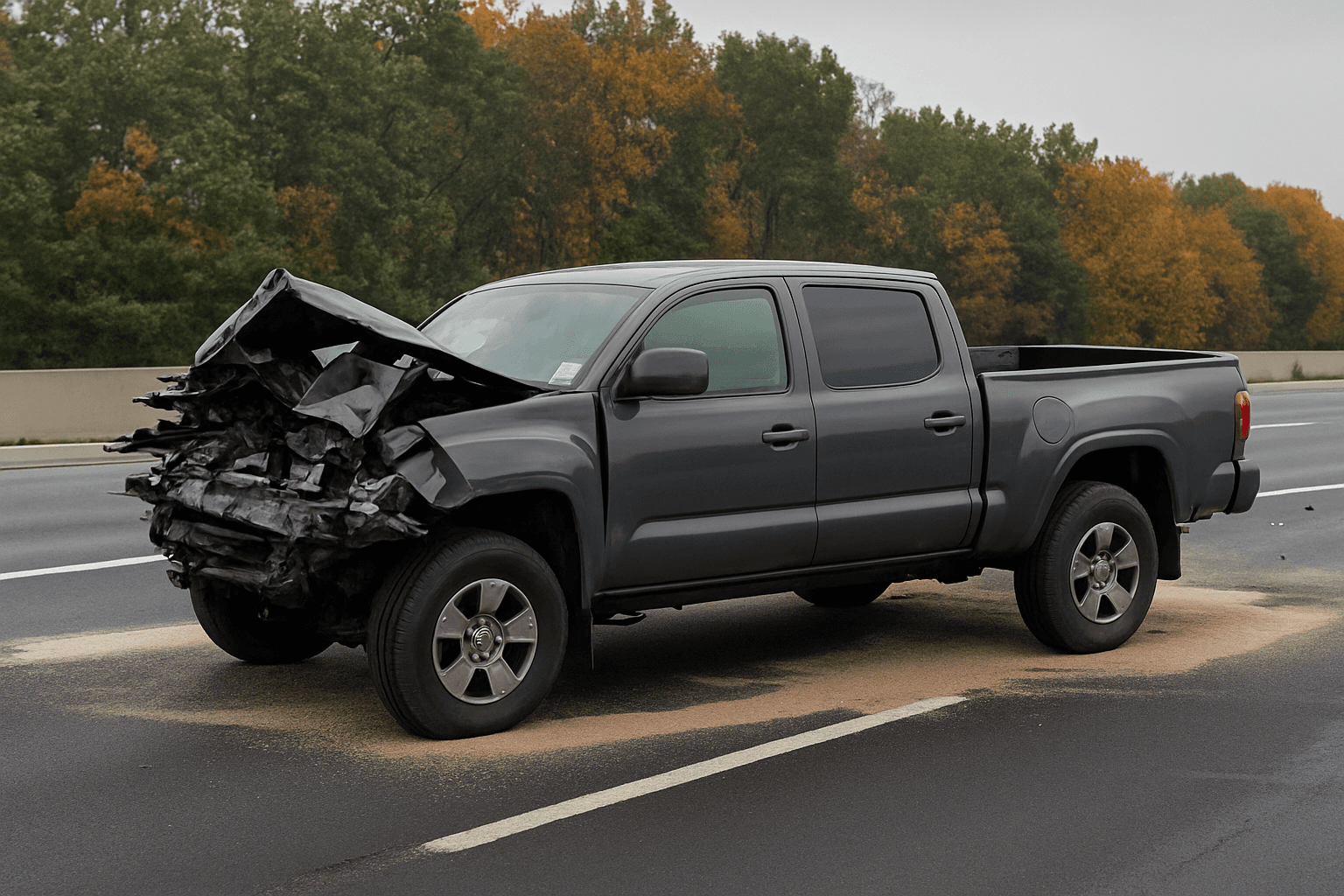
Maine non-standard carriers tier DUI-SR-22 policies by conviction class and filing-period placement. Your aggravated DUI quote looks nothing like a first-offense quote, even from the same carrier.
Maine Non-Standard Carriers Use a Conviction-Class Tier System You Won't See on Aggregator Sites
Non-standard carriers in Maine price DUI-SR-22 policies using a multi-tier system based on your conviction class, BAC level, and whether you refused testing. A first-offense standard DUI (BAC 0.08–0.14%, no aggravating factors) typically generates quotes in the $180–$260/mo range from carriers like The General, Dairyland, and GAINSCO. An aggravated DUI (BAC 0.15%+, minor in vehicle, accident causing injury) moves you into a higher-risk tier with quotes starting at $320–$480/mo from the same carriers. Refusal cases — where you declined breath or blood testing under Maine's implied-consent law — often price closer to aggravated-DUI tiers because carriers treat refusal as high-BAC proxy behavior.
This tier structure exists because Maine requires SR-22 filing for 3 years following license reinstatement for all DUI convictions, and carriers know that aggravated and refusal cases carry higher recidivism rates during that window. The problem most drivers encounter: aggregator sites like The Zebra and NerdWallet don't surface conviction-class fields in their quote forms, so you get blended estimates that don't reflect your actual tier placement. When you call the carrier directly or work with a high-risk broker, the conviction-class question comes first, and your quote adjusts immediately.
Carriers also tier by filing-period placement. If you're quoting during your first year post-reinstatement, you're in the highest-risk window and pay peak rates. Drivers quoting in year two or three of their SR-22 period with no new violations see 15–25% lower premiums from the same carrier, because the filing clock is closer to expiration and the violation is aging out of the three-year lookback most carriers use for DUI surcharges.
Your Filing-Period Start Date Determines Which Rate Table You're Quoted From
Maine's SR-22 filing period begins on the date your license is reinstated, not your conviction date or the first day of your suspension. This means if your DUI conviction was March 2023, your license was suspended April 2023, and you reinstated in October 2023 after completing alcohol education and paying reinstatement fees, your 3-year SR-22 clock started in October 2023 and runs through October 2026. Carriers use this reinstatement date to determine where you fall in their rate tables.
If you're quoting within 90 days of reinstatement, you're in the "new filing" rate class, which carries the highest surcharge multiplier — typically 180–220% of your base rate for a first-offense standard DUI, and 250–350% for aggravated or refusal cases. After 12 months of continuous SR-22 filing with no new violations, most non-standard carriers move you into a "mid-term filing" rate class with surcharges dropping to 140–180% of base. At 24 months, assuming clean driving, you qualify for "late-term filing" rates with surcharges around 110–140% of base.
This filing-period pricing structure is invisible on most quote tools because they don't ask for your reinstatement date — they ask for your conviction date and assume immediate reinstatement, which almost never happens in practice. The gap between conviction and reinstatement in Maine averages 5–7 months for first-offense DUI (longer for aggravated cases requiring IID installation), and that gap determines which rate table you're actually shopping in. Misreporting your filing start date by even a few months can result in quotes that don't bind when the carrier pulls your MVR and sees the real reinstatement timeline.
Find out exactly how long SR-22 is required in your state
Why Bristol West and Dairyland Dominate Maine DUI-SR-22 Market Share
Bristol West and Dairyland write approximately 60% of DUI-SR-22 policies in Maine because both carriers operate tiered programs that accept first-offense, aggravated, and refusal cases without requiring manual underwriting review for every application. Bristol West's Maine program uses a four-tier structure: Standard DUI (first offense, BAC below 0.15%, no accident), Enhanced DUI (first offense aggravated OR second offense non-aggravated), High-Risk DUI (second offense aggravated OR refusal), and Excluded (third offense or felony DUI, which they won't write). Dairyland uses a similar model but bins refusal cases separately from aggravated-BAC cases, which can produce meaningfully different quotes depending on your conviction details.
Both carriers file SR-22 electronically with the Maine Bureau of Motor Vehicles within 24 hours of policy binding, which matters when you're working against a 30-day reinstatement deadline after completing your suspension. The General and GAINSCO also write DUI-SR-22 business in Maine but operate with more restrictive acceptance guidelines — The General typically declines second-offense aggravated cases, and GAINSCO requires manual review for any conviction involving injury or property damage, which adds 3–5 business days to the quote-to-bind timeline.
Rate competitiveness varies by conviction class. For first-offense standard DUI, Dairyland and Bristol West quote within $15–$30/mo of each other in most Maine counties. For aggravated or refusal cases, Bristol West tends to price 10–18% lower than Dairyland in the first 12 months post-reinstatement, but Dairyland's mid-term and late-term rate reductions are steeper, so by month 18–24 of your filing period, Dairyland often becomes the lower-cost option if you've maintained continuous coverage with no new violations.
How Conviction Date vs. Reinstatement Date Creates Pricing Confusion
The single biggest pricing discrepancy in Maine DUI-SR-22 quotes comes from confusion between conviction date and reinstatement date. If you enter your conviction date into a quote form that assumes immediate SR-22 filing, the carrier's rating engine prices you as if you're already 6–8 months into your filing period when in reality you haven't reinstated yet. This produces artificially low quotes that don't bind when the carrier verifies your actual SR-22 start date.
Maine's DUI suspension timeline creates this gap. First-offense DUI convictions trigger a 150-day license suspension. During that suspension, you must complete an alcohol education program (typically 8–12 weeks), pay a $50 reinstatement fee, and file SR-22 proof of insurance before the Bureau of Motor Vehicles will reinstate your license. Most drivers don't complete all three requirements until month 5–7 post-conviction, and the SR-22 filing period doesn't start until reinstatement is final. Aggravated DUI convictions carry longer suspension periods (275 days minimum) and often require ignition interlock device installation, pushing the reinstatement timeline to 9–12 months post-conviction.
When you're shopping for quotes, the correct date to provide is your projected or actual reinstatement date, not your conviction date. If you were convicted in January 2024 and expect to complete your suspension and reinstate in July 2024, your SR-22 filing period runs July 2024–July 2027, and carriers should be quoting you as a new-filing risk as of July 2024. Providing the January conviction date will generate quotes priced for a driver already 6 months into their filing period, and those quotes will be rejected or re-rated when you attempt to bind coverage.
What Happens When Mainstream Carriers Non-Renew After Your DUI
Most drivers entering the Maine non-standard market after a DUI conviction weren't shopping by choice — they were non-renewed by their previous carrier at policy term. State Farm, Geico, Allstate, and Progressive all file SR-22 for existing customers who receive a DUI conviction, but their underwriting guidelines require non-renewal at the next policy expiration date. You'll carry SR-22 on your current policy through the remainder of your term (typically 6–12 months post-conviction), but you'll receive a non-renewal notice 30–45 days before your expiration date, and you'll need to move to a non-standard carrier to maintain continuous SR-22 filing.
This non-renewal timing creates a rate shock most drivers don't anticipate. If your DUI conviction occurred in March and your policy renews in September, you'll see the DUI surcharge applied to your September renewal (typically a 60–90% rate increase with a mainstream carrier), but you'll be non-renewed effective the following September when your annual term ends. At that point, you're moving from a surcharged mainstream policy at roughly $145–$190/mo to a non-standard DUI-SR-22 policy at $220–$320/mo depending on your conviction class. The rate increase compounds because you're both losing your preferred-carrier discount structure and entering a higher base-rate market.
Some drivers attempt to stay with their mainstream carrier by removing the SR-22 filing and hoping the carrier doesn't notice. This fails in Maine because the Bureau of Motor Vehicles cross-checks SR-22 filings against active suspensions and reinstatement orders. If your SR-22 lapses for any reason — including policy cancellation or non-renewal — the BMV is notified electronically within 24 hours, your license is re-suspended immediately, and your reinstatement clock resets to zero. You'll need to re-apply for reinstatement, re-pay the fee, and restart your 3-year SR-22 filing period from the new reinstatement date.
Why Refusal Cases Price Closer to Aggravated DUI Than Standard DUI
Maine operates under an implied-consent law, which means refusing a breath or blood test after a DUI arrest triggers an automatic license suspension separate from any criminal conviction. For insurance pricing purposes, refusal cases are treated by most non-standard carriers as functionally equivalent to high-BAC aggravated DUI convictions, even if your actual BAC was never measured. Bristol West, Dairyland, and The General all tier refusal cases into their aggravated-DUI rate class, which means you're quoted at $280–$420/mo even if your underlying DUI conviction was first-offense with no other aggravating factors.
This pricing structure exists because carrier loss data shows refusal cases produce claim frequencies closer to aggravated-DUI policyholders than standard first-offense policyholders. The theory: drivers who refuse testing are more likely to have been over the aggravated-BAC threshold (0.15%+) and refused to avoid that enhanced charge. Whether or not that applies to your specific case, the rate table doesn't differentiate. A refusal notation on your Maine driving record moves you into the higher-risk pricing tier for the full 3-year SR-22 filing period.
If you have both a refusal notation and a DUI conviction on your record from the same arrest, you're still priced as a single aggravated-risk case, not double-surcharged. The refusal and the conviction are treated as a single incident for rating purposes. However, if you refused testing and were later convicted of aggravated DUI based on other evidence (field sobriety, officer observation, accident circumstances), some carriers may apply a compounded surcharge that pushes your quote into the $450–$550/mo range, particularly in your first 12 months post-reinstatement.
How to Shop Non-Standard Carriers Without Resetting Your Quote Timeline
When you're comparing non-standard DUI-SR-22 quotes in Maine, every carrier pull of your MVR creates a timestamped inquiry that other carriers can see when they pull your record. If you're shopping five carriers over a two-week period, that's visible, and it signals rate-shopping behavior that some underwriters interpret as higher lapse risk. This doesn't disqualify you from coverage, but it can move you into a slightly higher-risk bin within the carrier's tier structure, particularly if you're also showing prior lapses or cancellations for non-payment.
The solution: compress your shopping window into 72 hours. Most non-standard carriers treat multiple MVR inquiries within a 3-day window as a single shopping event rather than ongoing rate-shopping behavior. Request quotes from Bristol West, Dairyland, The General, and GAINSCO on the same day or across a single weekend, and provide each with the same conviction details, reinstatement date, and coverage selections so you're comparing equivalent policies. Do not spread your shopping across two or three weeks unless you're intentionally waiting for a rate change trigger (crossing into a new month of your filing period, completing a defensive driving course, or receiving a reinstatement notice that changes your timeline).
When you're ready to bind, confirm the carrier will file your SR-22 electronically with the Maine BMV within 24 hours and request a filing confirmation receipt. Maine allows 30 days from your reinstatement eligibility date to file SR-22 proof of insurance, but if you're binding coverage on day 28 or 29, you need same-day electronic filing to avoid a gap. Paper SR-22 filings still exist but take 5–7 business days to process through the BMV, which creates lapse risk if you're close to your deadline.