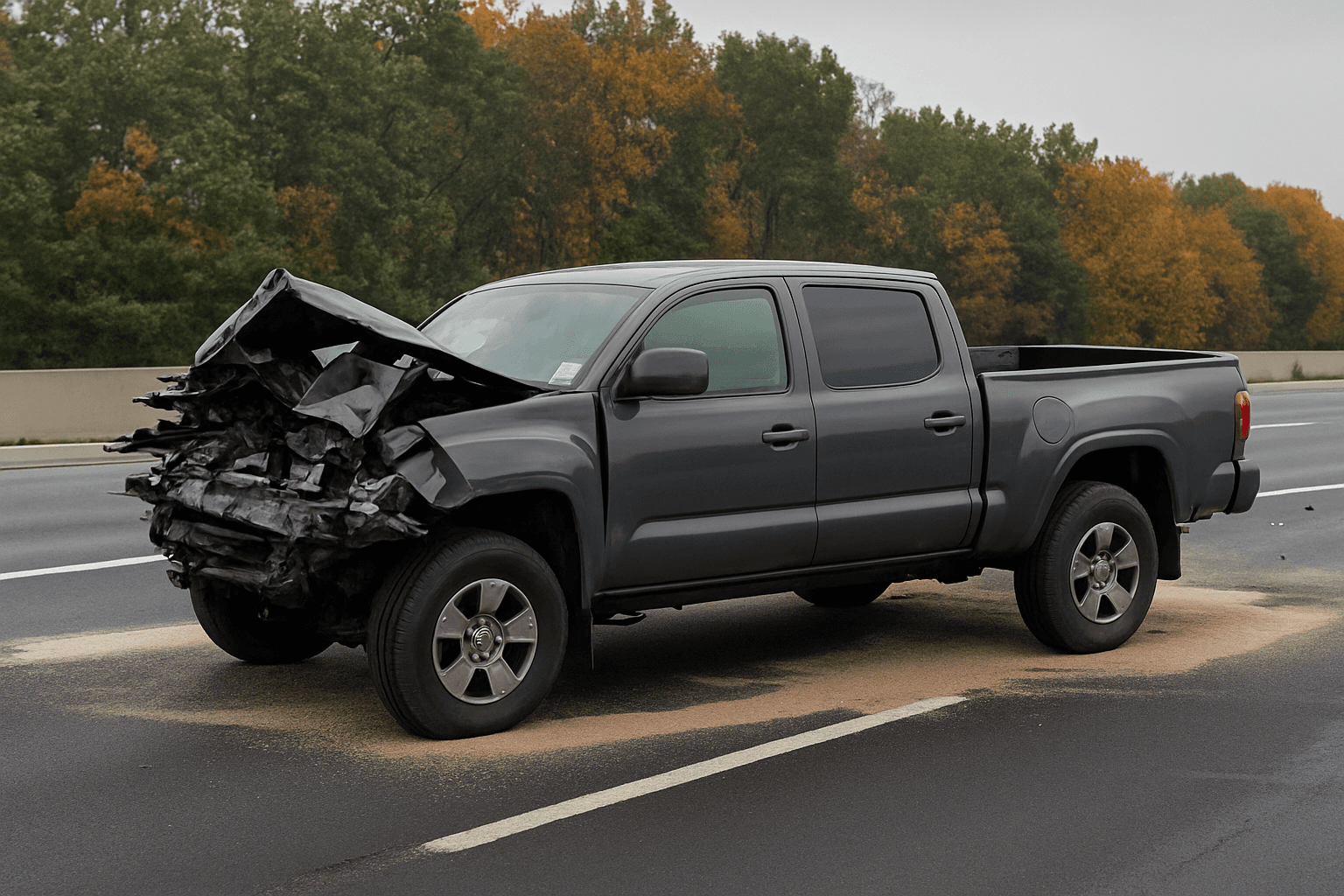
Oregon non-standard carriers tier DUI policies by conviction class — first-offense standard, aggravated, and repeat-offense each unlock different rate bands and carrier availability. Your BAC level and conviction details determine which carriers will quote you.
Oregon Non-Standard Carriers Tier DUI Policies by Conviction Class Before Quoting Rates
Non-standard carriers in Oregon assign your DUI to one of three pricing tiers before calculating your rate: first-offense standard DUI (BAC 0.08–0.14, no aggravating factors), first-offense aggravated DUI (BAC ≥0.15, minor passenger, injury, or property damage), or repeat-offense DUI (any second or subsequent conviction within 10 years). Your tier determines which carriers will quote you and what multiplier applies to your base rate. A first-offense standard DUI typically triggers a 70–110% rate increase over pre-conviction rates, while aggravated first-offense DUIs see 110–180% increases, and repeat offenses often exceed 200% increases or result in declination from all but the highest-risk carriers.
Most Oregon drivers assume all DUI convictions are priced the same. They are not. Conviction class determines underwriting acceptance first, then pricing. Bristol West, Dairyland, and GAINSCO typically quote first-offense standard DUI filers. Direct Auto, The General, and Safe Auto extend into aggravated first-offense territory. Acceptance and Kemper handle repeat-offense cases, but availability varies by county and prior claims history. If you received an aggravated DUI and are shopping carriers that specialize in standard first-offense cases, you will collect declinations, not quotes.
Oregon requires SR-22 filing for 3 years following a DUI conviction, measured from the conviction date. Your SR-22 filing period runs concurrently with your conviction class, meaning your rate tier stays elevated for the full 3-year period unless you qualify for step-down pricing after 18–24 months of continuous coverage with no additional violations. Carriers do not advertise step-down schedules — you must ask your underwriter directly whether your policy qualifies and what the review trigger date is.
What Aggravating Factors Move You from Standard to Aggravated Pricing Tiers
Oregon law defines aggravated DUI under ORS 813.010 as BAC ≥0.15, presence of a minor passenger under 18, causing injury or property damage, or driving with a suspended license at the time of arrest. Each aggravating factor shifts you into a higher underwriting tier. A first-offense DUI with BAC 0.16 is priced differently than a first-offense DUI with BAC 0.10, even though both result in the same 3-year SR-22 requirement.
Carriers assess aggravating factors independently from the court's sentencing classification. Oregon courts may charge aggravated DUI as a separate offense or enhance sentencing within the standard DUI statute, but non-standard carriers review your MVR, arrest report, and court documents to identify aggravating factors regardless of how the charge was filed. If your BAC was 0.15 or higher, expect aggravated-tier pricing even if your conviction was processed as standard DUI for sentencing purposes.
Repeat-offense DUI is defined as any second or subsequent conviction within 10 years under ORS 813.010. Oregon does not offer lookback-period relief for insurance purposes — if your prior DUI occurred 9 years ago and you receive a second conviction today, you are repeat-offense for underwriting and SR-22 purposes. Most mainstream carriers (State Farm, Geico, Allstate, Progressive) will not quote new policies for repeat-offense DUI drivers. Your market is limited to Acceptance, Kemper, and regional high-risk carriers, and monthly premiums typically start at $280–$450 for minimum liability coverage with SR-22.
Find out exactly how long SR-22 is required in your state
How Oregon DUI Rates Are Calculated After Conviction Class Assignment
Non-standard carriers calculate your Oregon DUI rate using a base premium for liability coverage, then apply a conviction-class multiplier, then add the SR-22 filing fee. Base premiums for minimum liability coverage in Oregon (25/50/20 limits) range from $95–$140/mo for clean-record non-standard applicants. A first-offense standard DUI multiplier typically ranges from 1.7× to 2.1×, meaning your $110 base premium becomes $187–$231/mo before the SR-22 fee. Aggravated first-offense multipliers run 2.1× to 2.8×, and repeat-offense multipliers exceed 3.0× at most carriers.
The SR-22 filing fee in Oregon is $25–$50 annually depending on carrier, but this fee is separate from the conviction-class rate increase. Many drivers confuse the SR-22 filing fee with the total rate impact of their DUI. The filing fee covers the cost of the carrier submitting your SR-22 certificate to the Oregon DMV and maintaining continuous filing status for 3 years. The conviction-class multiplier is the primary driver of your rate increase, not the SR-22 fee itself.
Carriers apply additional surcharges for payment plan enrollment, lapse history, and metro-area garaging. Portland-area DUI filers typically pay 12–18% more than rural Oregon drivers due to accident frequency and theft rates. If you defaulted on a prior policy or had a lapse longer than 30 days in the past 12 months, expect an additional 10–25% surcharge on top of your conviction-class multiplier. Estimates based on available industry data; individual rates vary by driving history, vehicle, coverage selections, and location.
Which Carriers Write First-Offense, Aggravated, and Repeat-Offense DUI Policies in Oregon
Bristol West writes first-offense standard DUI policies statewide in Oregon and typically quotes $175–$260/mo for minimum liability with SR-22, depending on age, county, and vehicle. Dairyland operates similarly and often prices 8–15% lower than Bristol West for drivers under 35. GAINSCO writes first-offense standard cases in the Portland metro area and southern Oregon but does not operate statewide — availability depends on your ZIP code.
Direct Auto and The General extend into aggravated first-offense territory. Direct Auto writes BAC ≥0.15 cases and minor-passenger cases statewide. The General handles injury-related aggravated DUI but requires an underwriting review for property-damage cases — approval is not automatic. Safe Auto writes aggravated first-offense policies but imposes a 6-month waiting period from conviction date before binding coverage, meaning you cannot obtain SR-22 filing through Safe Auto immediately after sentencing if your conviction date is within the past 6 months.
Acceptance and Kemper write repeat-offense DUI policies in Oregon. Acceptance operates statewide and quotes repeat-offense cases starting at $285/mo for 25/50/20 liability with SR-22. Kemper availability varies by county — they write repeat-offense policies in Multnomah, Washington, Clackamas, Lane, and Jackson counties but decline most repeat-offense applications in rural counties. If you are repeat-offense and live outside these counties, Acceptance is often your only option without moving to a surplus-lines carrier. As of current state regulations, carrier underwriting standards and availability change periodically.
How Long Your Conviction Class Affects Your Rate and What Step-Down Pricing Means
Your DUI conviction class affects your Oregon insurance rate for the full 3-year SR-22 filing period at minimum, but most non-standard carriers apply the conviction surcharge for 5 years from the conviction date. The SR-22 filing requirement ends after 3 years of continuous coverage, but the DUI remains on your MVR for 10 years under Oregon DMV record-retention rules. Carriers review your MVR at each renewal and apply the conviction-class surcharge until the conviction ages past their underwriting lookback period, which ranges from 3 to 7 years depending on carrier and conviction class.
Step-down pricing allows your rate to decrease before the conviction falls off your MVR entirely, but it is not automatic. Dairyland and Bristol West offer step-down reviews at 18 months and 36 months for first-offense standard DUI if you maintain continuous coverage with no additional violations, claims, or lapses. Your rate multiplier decreases from 2.0× to 1.5× at 18 months, then to 1.2× at 36 months. You must request the step-down review — carriers do not apply it automatically at renewal. If you switch carriers mid-filing period, you lose step-down eligibility and reset to standard new-policy pricing at your new carrier.
Repeat-offense DUI does not qualify for step-down pricing at most carriers. Acceptance and Kemper hold repeat-offense multipliers at 3.0× or higher for the full 5-year lookback period. The only path to lower rates as a repeat-offense driver is to complete your SR-22 period, maintain 3 years of violation-free driving after SR-22 release, and then re-shop to standard or preferred carriers. That timeline is 6 years minimum from your conviction date.
What Happens If You Let Your SR-22 Lapse While in a Conviction-Class Pricing Tier
Letting your SR-22 lapse even one day resets your Oregon filing requirement to day zero. Oregon DMV treats a lapse as failure to maintain proof of financial responsibility under ORS 806.010, which triggers immediate license suspension and restarts your 3-year SR-22 clock from the date you refile. If you were 2 years into your SR-22 period and your policy lapses, you owe 3 additional years of SR-22 filing from the reinstatement date, not 1 remaining year.
Non-standard carriers apply a lapse surcharge on top of your existing conviction-class multiplier if you reinstate coverage after a lapse. The lapse surcharge typically adds 15–30% to your monthly premium for 12 months. If you were paying $210/mo for first-offense standard DUI coverage and you lapse, your reinstatement rate will be $242–$273/mo for the first year after reinstatement. Repeat lapses move you into the highest-risk pricing tier regardless of your original conviction class, and some carriers will decline to refile SR-22 after a second lapse within 24 months.
Oregon DMV requires you to pay a $75 reinstatement fee and refile SR-22 before your license is reinstated after a lapse-triggered suspension. You cannot drive legally during the suspension period, even if you purchase a new policy — the suspension remains in effect until DMV processes your SR-22 refile and reinstatement payment. Most drivers assume buying a new policy immediately reinstates their license. It does not. The reinstatement process takes 3–7 business days after DMV receives your SR-22 filing and fee payment.
How to Identify Your Conviction Class and What Documents Carriers Require for Quoting
Your conviction class is listed on your court sentencing documents and your Oregon MVR. Order your MVR directly from the Oregon DMV online at oregondmv.com — the fee is $7.25 and the report is available immediately as a PDF download. Your MVR lists your conviction date, BAC level if recorded, and any aggravating factors coded by the court. Carriers require your MVR to quote your rate accurately — a verbal description of your conviction is not sufficient for underwriting.
If your sentencing documents list BAC ≥0.15, injury, property damage, or a minor passenger, you are aggravated first-offense for underwriting purposes even if the court charged you under the standard DUI statute. If your MVR shows a prior DUI conviction within the past 10 years, you are repeat-offense regardless of how much time has passed. Carriers do not rely on your self-reported conviction class — they verify it against your MVR and court records before binding coverage.
Bring your MVR, SR-22 requirement notice from Oregon DMV, court sentencing documents, and driver's license to your carrier appointment or online quote session. Incomplete documentation delays quoting and binding, and most non-standard carriers will not provide a firm rate without reviewing your full MVR. If you are applying online, you will be required to upload your MVR and SR-22 notice before receiving a bindable quote.