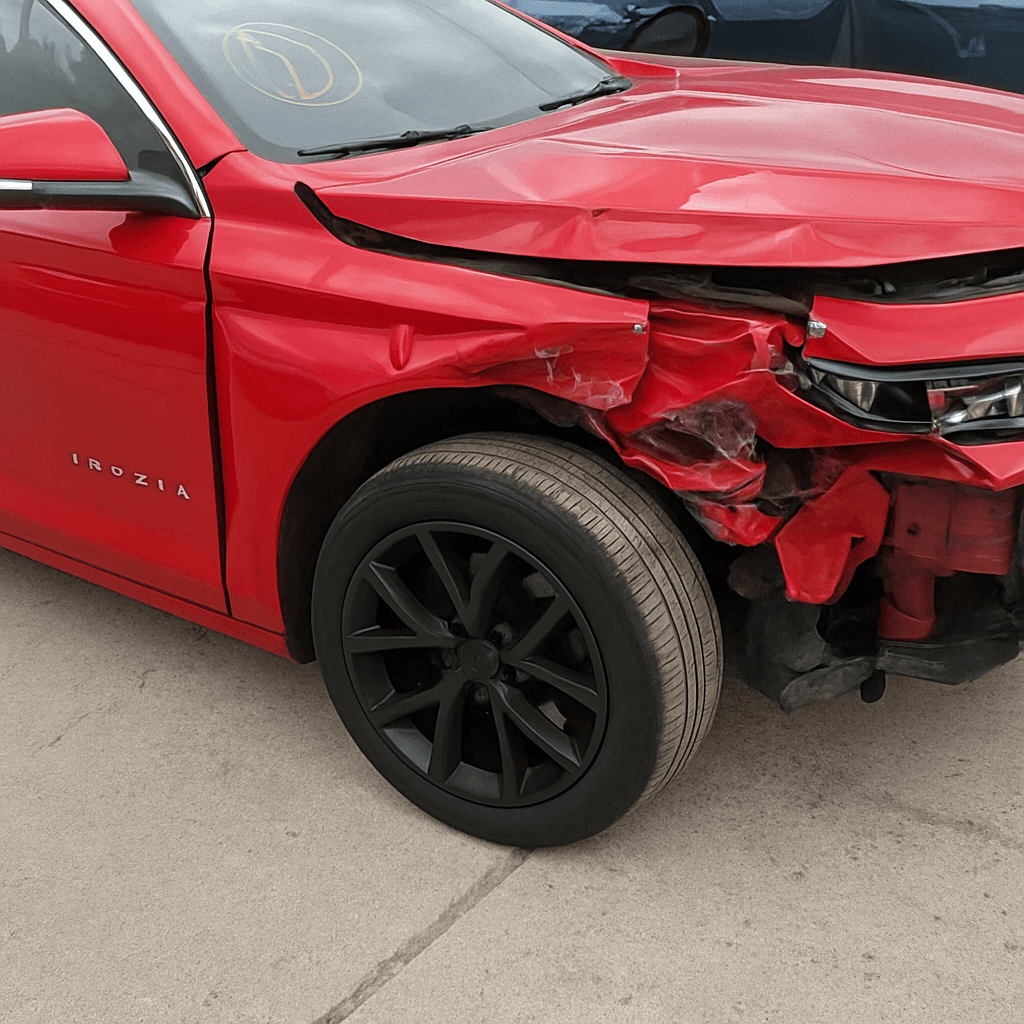
Tennessee doesn't seize your financed vehicle after a DUI conviction, but your lender agreement requires continuous insurance — and most carriers non-renew DUI drivers at policy term, creating a gap that triggers repossession clauses.
Your Lender Agreement Requires Continuous Coverage — Not Tennessee Law
Tennessee law doesn't automatically repossess financed vehicles after a DUI conviction. Your lender can trigger repossession if you fail to maintain continuous full-coverage insurance as required by your finance or lease agreement.
Every auto loan and lease contract includes an insurance clause requiring comprehensive and collision coverage with the lender listed as lienholder. A DUI conviction creates two immediate risks to that requirement: your current carrier will likely non-renew your policy at the end of your term (typically 6 months after conviction), and Tennessee requires SR-22 filing for 3 years from your conviction date to maintain a valid license.
The gap between your current policy ending and securing SR-22 coverage triggers the lender's repossession right. Most finance agreements allow the lender to force-place insurance at 3-5 times normal cost and add it to your loan balance, or repossess the vehicle if you don't cure the lapse within 10-30 days depending on your contract terms.
Tennessee Requires SR-22 Filing for 3 Years After DUI Conviction
Tennessee mandates SR-22 filing for 3 years measured from your DUI conviction date, not your license reinstatement date or first filing date. If you were convicted on June 1, 2024, your filing obligation ends June 1, 2027 regardless of when you actually filed.
The Tennessee Department of Safety requires SR-22 filing to reinstate your license after the court-imposed suspension period (minimum 1 year for first-offense DUI, 2 years for second offense, lifetime revocation for third offense with reinstatement eligibility after 6-10 years). You cannot legally drive during suspension even with SR-22 on file.
Your carrier files SR-22 electronically with the state within 24 hours of policy purchase. If your policy cancels or lapses for any reason during the 3-year period, the carrier notifies the state immediately and your license suspends again. Tennessee does not allow grace periods for SR-22 lapses — one missed payment restarts your suspension and reinstatement process from zero.
Find out exactly how long SR-22 is required in your state
Most Mainstream Carriers Non-Renew DUI Policies at Term
State Farm, Geico, Allstate, and Progressive typically file SR-22 for existing customers after a DUI conviction but non-renew the policy at the end of the current 6-month term. You'll receive a non-renewal notice 30-60 days before your policy expires, creating a narrow window to secure replacement coverage before the lapse triggers both license suspension and lender repossession rights.
Carriers non-renew rather than cancel mid-term because DUI is an underwriting risk, not a policy violation. Non-renewal avoids early termination fees and allows you to maintain continuous coverage through the current term, but it shifts the burden to you to find a carrier willing to write a new policy with SR-22 filing.
The non-standard market handles most post-DUI policies: Bristol West, Dairyland, GAINSCO, The General, Direct Auto, and Acceptance write Tennessee DUI-SR-22 policies regularly. Expect monthly premiums of $180-$320 for liability-only SR-22 coverage and $280-$450 for full coverage meeting lender requirements, compared to $85-$140 pre-conviction.
Full Coverage Cost Increases 80-150% After DUI in Tennessee
Tennessee DUI drivers with financed vehicles face full-coverage premiums 80-150% higher than pre-conviction rates. A driver paying $110/month before conviction typically pays $210-$280/month after, with SR-22 filing adding $15-$25/month and comprehensive/collision coverage for a financed vehicle driving the majority of the increase.
Non-standard carriers price DUI risk higher than mainstream carriers price clean records, and lender-required coverage limits amplify the cost. Most finance agreements require 100/300/100 liability minimums (higher than Tennessee's 25/50/15 state minimums) plus collision and comprehensive with deductibles no higher than $1,000.
Your lender may accept liability-only coverage if your loan balance is below your vehicle's depreciated value, but most agreements require full coverage until the loan is paid. Contact your lender before dropping collision or comprehensive — unauthorized coverage reduction triggers the same repossession clause as a full lapse.
Force-Placed Insurance Costs 3-5 Times Normal Premiums
If your policy lapses and you don't secure replacement coverage within the cure period specified in your loan agreement (typically 10-30 days), your lender will purchase force-placed insurance and add the cost to your loan balance. Force-placed premiums run $400-$800/month for coverage that protects only the lender's interest, not your liability exposure.
Force-placed insurance covers physical damage to the vehicle but provides no liability, medical payments, or uninsured motorist protection. You remain personally liable for injury or property damage you cause in an accident, and you're still required to maintain SR-22 filing separately to keep your license valid.
Lenders deduct force-placed premiums from your monthly payment and apply the remainder to your loan balance, extending your loan term and increasing total interest paid. The only way to remove force-placed insurance is to secure your own policy meeting lender requirements and provide proof of coverage with the lender listed as lienholder.
Hardship License Allows Commute Driving During Suspension
Tennessee issues restricted licenses allowing driving to work, school, court-ordered programs, and medical appointments during your DUI suspension period. You must serve a minimum suspension period first: 45 days for first-offense DUI, 1 year for second offense, 2 years for third offense.
The restricted license requires SR-22 filing and proof of enrollment in a DUI education program. You may only drive during approved hours to approved locations listed on your license order. Violating restricted license terms results in immediate revocation and extension of your full suspension period.
Insurance carriers charge the same rates for SR-22 coverage whether you hold a restricted license or a fully reinstated license — the SR-22 filing itself drives the rate increase, not your driving privileges. If you don't own a vehicle but need a restricted license for work, non-owner SR-22 policies provide liability coverage and satisfy Tennessee's filing requirement for $40-$80/month.
Your Filing Period Starts at Conviction, Not Reinstatement
Tennessee calculates the 3-year SR-22 filing period from your conviction date, not your reinstatement date. If you were convicted on March 1, 2024, served a 1-year suspension, and reinstated your license on March 1, 2025, your SR-22 obligation still ends March 1, 2027 — not March 1, 2028.
This timing difference matters if you delay reinstatement. Drivers who serve their suspension period but wait months to reinstate are still required to file SR-22 for the full 3 years from conviction, meaning the clock runs whether you're driving or not.
Confirm your exact filing end date with the Tennessee Department of Safety before canceling SR-22 coverage. Carriers cannot advise you on this — they only know when they started filing, not when the state's requirement expires. Canceling SR-22 even one day early resets your filing clock to zero and triggers a new suspension.