Nebraska requires SR-22 after DUI, but you're only legally required to carry liability limits. Here's what happens when you drop collision and comp to make your premium affordable.
Nebraska SR-22 Only Requires Liability Coverage, Not Full Coverage
Nebraska requires SR-22 filing for 3 years after a DUI conviction, but the SR-22 itself only certifies you carry the state's minimum liability limits: 25/50/25. That's $25,000 bodily injury per person, $50,000 per accident, and $25,000 property damage. Collision and comprehensive coverage are not part of the SR-22 requirement.
If you own your vehicle outright with no lien or lease, you can legally drop full coverage the day your SR-22 is filed and carry liability-only. Your premium will drop significantly — liability-only SR-22 policies in Nebraska typically run $90–$180/mo for DUI drivers, compared to $220–$400/mo with full coverage, depending on conviction class and county.
The confusion comes from the SR-22 form itself. It reads like a formal compliance certificate, and most DUI drivers assume it mandates full coverage because their carrier recommends it or their court paperwork mentions "proof of insurance." But Nebraska statute 60-4,118 requires only financial responsibility proof at the minimum liability limits. Full coverage is optional unless a lienholder requires it.
When You Can't Drop Full Coverage: Lien and Lease Requirements
If you have an active auto loan or lease, your lender requires comprehensive and collision coverage as a condition of the financing agreement. This requirement exists independently of your SR-22 filing — it's in your loan contract, not state law.
Dropping full coverage while a lien is active breaches your loan agreement. Your lender will force-place coverage at a much higher cost and bill you directly, or they may declare the loan in default. The lender's lien gives them the right to protect the collateral, which means they control your coverage requirements until the loan is paid off.
If your DUI premium with full coverage is unaffordable and you have a lien, your options are: refinance the vehicle loan to lower the monthly payment and free up cash for insurance, sell the vehicle and buy something cheaper outright, or move to a liability-only SR-22 non-owner policy and stop driving the financed vehicle. Most DUI drivers in this position choose option three and let a family member take over the car payment.
Find out exactly how long SR-22 is required in your state
What Happens to Your Premium When You Drop to Liability-Only SR-22
Dropping collision and comprehensive cuts your premium by 40–60% on average for DUI drivers in Nebraska. A 35-year-old male with a first-offense DUI in Omaha pays approximately $320/mo for full coverage SR-22 with 100/300/100 liability limits, $500 collision deductible, and $500 comprehensive deductible through a non-standard carrier like Dairyland or Direct Auto. The same driver with liability-only SR-22 at 25/50/25 pays approximately $125/mo.
The savings are larger in rural counties. A driver in Scotts Bluff County with the same profile pays roughly $280/mo full coverage, $95/mo liability-only. Urban zip codes in Lincoln and Omaha carry higher theft and accident rates, which increases comprehensive and collision premiums but affects liability rates less.
Your liability premium will still reflect the DUI surcharge — that's baked into your rate for the full 3-year SR-22 period regardless of coverage level. The DUI surcharge typically adds 80–120% to your base rate. Dropping physical damage coverage removes the vehicle repair cost from the equation, but it doesn't remove the DUI rating factor.
Timing: When to Drop Full Coverage After Your DUI Conviction
You can drop full coverage the same day your SR-22 is filed, as long as you meet two conditions: you own your vehicle outright, and your new liability-only policy includes the SR-22 certificate filed with the Nebraska DMV. Do not cancel your old policy before the new SR-22 policy is active — even one day without continuous coverage resets your SR-22 filing period to day zero in Nebraska.
Most DUI drivers drop full coverage at their first policy renewal after conviction. If your conviction happened mid-term and your carrier non-renewed you at expiration, your new non-standard policy is the right time to move to liability-only. If your current carrier is keeping you through the term, call them 10–15 days before renewal and request a quote for liability-only SR-22. Compare that quote against non-standard carriers before making the switch.
Do not let your policy lapse while shopping. Nebraska treats any lapse during the SR-22 period as a compliance violation. Your carrier must notify the DMV within 10 days of cancellation, and the DMV suspends your license immediately. Reinstatement after a lapse requires paying a $50 reinstatement fee, refiling SR-22, and restarting the 3-year clock from the reinstatement date.
What You Lose When You Drop Full Coverage: Risk Transfer
Liability-only SR-22 leaves you responsible for all repair and replacement costs if your vehicle is damaged or stolen. Nebraska is an at-fault state, so if another driver causes the accident, you can file a claim against their liability policy. But if you cause the accident, or if the at-fault driver is uninsured, you pay out of pocket.
Nebraska has one of the higher uninsured motorist rates in the region — approximately 13% of drivers carry no insurance. If an uninsured driver totals your car, your liability-only policy pays nothing for your vehicle. Adding uninsured motorist property damage coverage costs an additional $8–$15/mo in most counties and covers your vehicle if the at-fault driver has no insurance, up to your policy limit.
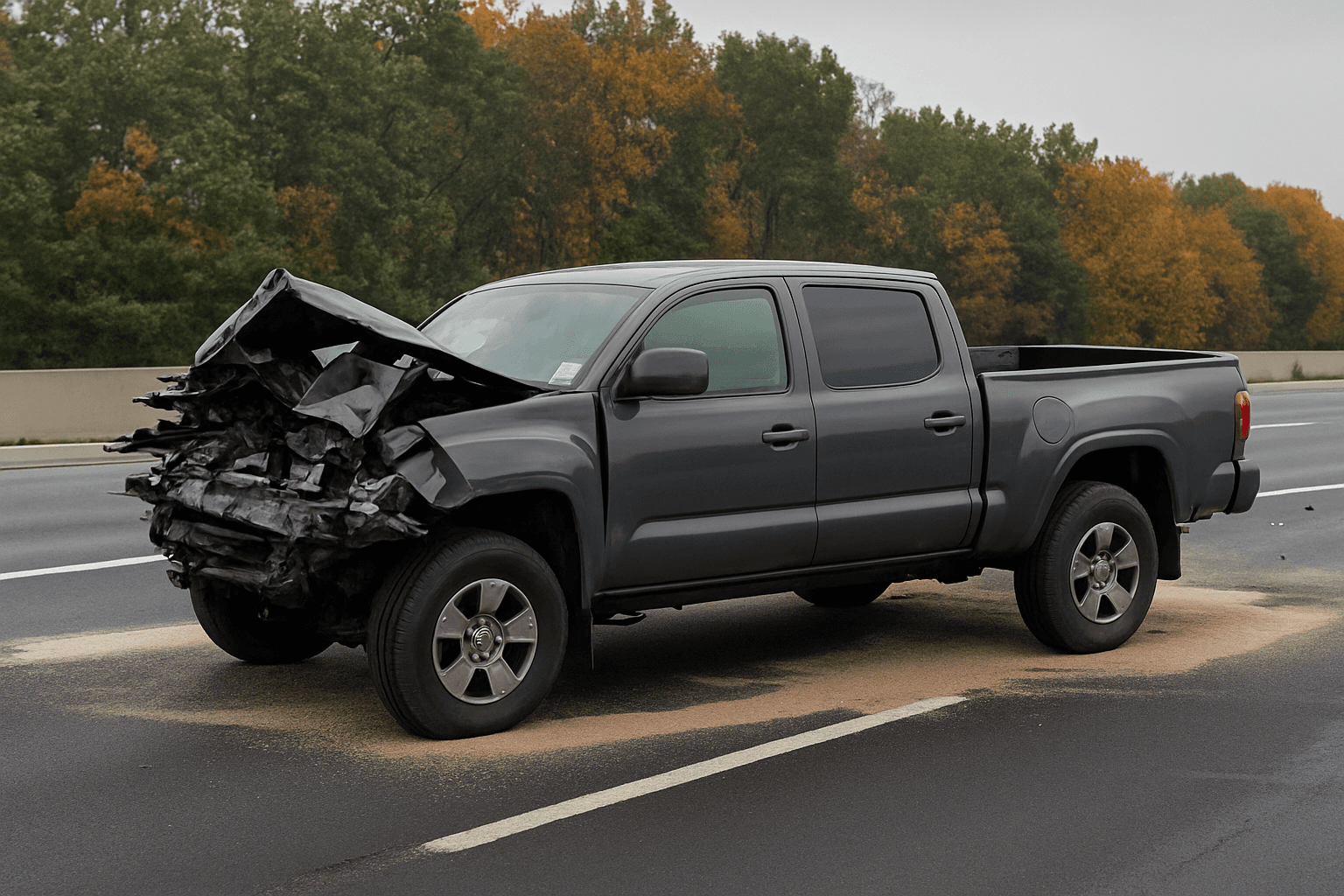
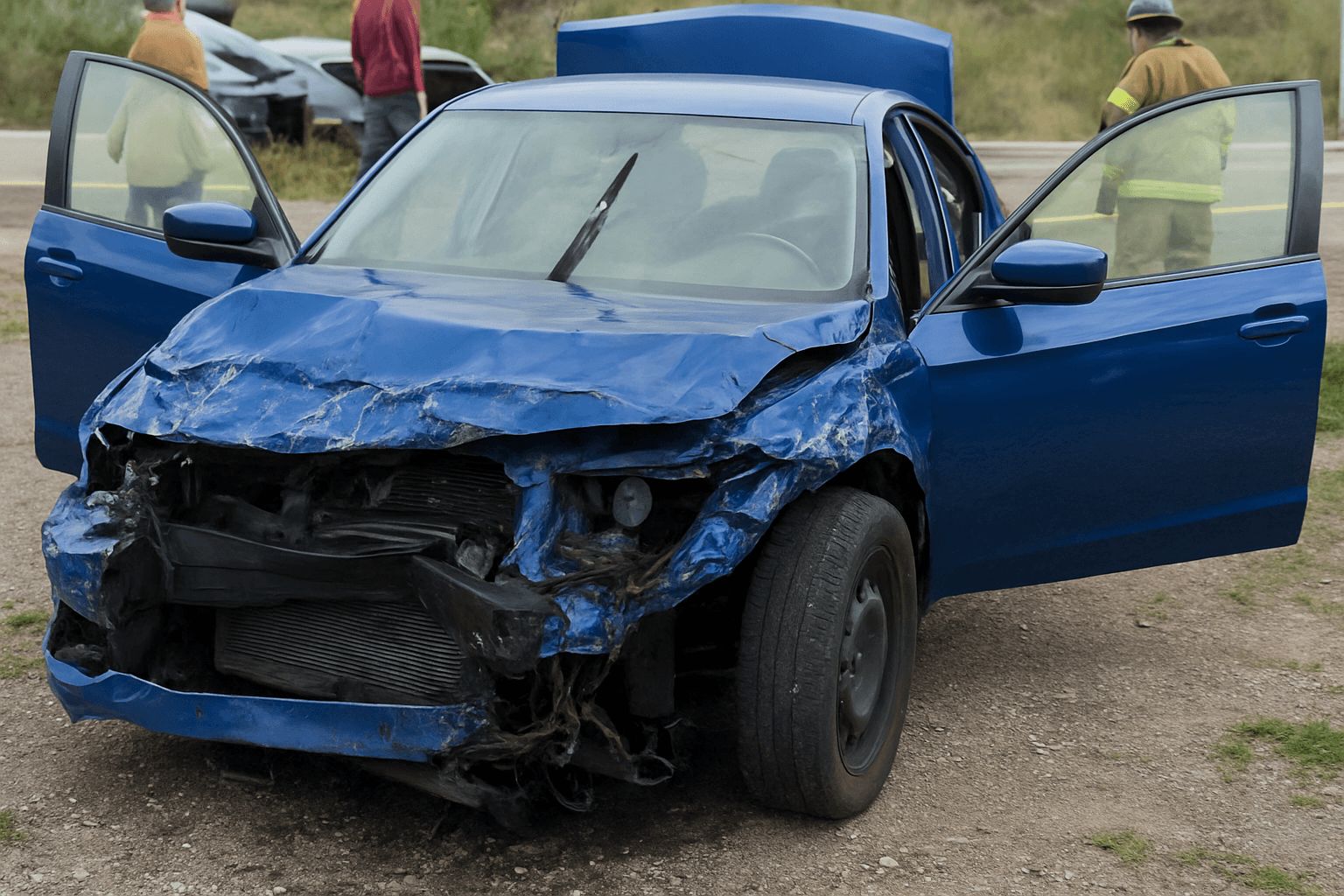
Collision coverage handles single-vehicle accidents — hitting a pole, sliding into a ditch, rolling your car on gravel. If you drive rural roads in winter or commute on I-80 during ice season, collision coverage has measurable value. Comprehensive covers theft, hail, deer strikes, and fire. Omaha and Lincoln have elevated vehicle theft rates compared to the state average, and rural counties see frequent deer claims. Weigh your risk exposure against your monthly budget before dropping coverage.
Non-Standard Carriers That Write Liability-Only SR-22 in Nebraska
Most mainstream carriers non-renew DUI drivers at policy expiration, which means you'll move to the non-standard market for your SR-22 filing. Non-standard carriers that actively write liability-only SR-22 policies in Nebraska include Direct Auto, Dairyland, GAINSCO, The General, Bristol West, and Acceptance Insurance. Availability varies by county — Direct Auto has strong presence in Douglas and Lancaster counties, while Dairyland writes more rural zip codes.
Non-standard carriers price DUI risk differently. Some use a flat DUI surcharge applied to base rate, others tier by conviction class (standard, aggravated, refusal). Request quotes from at least three carriers. Rate variation for the same driver profile can exceed 40% between carriers in the same county.
If you're moving from a mainstream carrier that filed your SR-22 but non-renewed you, confirm your new non-standard policy includes the SR-22 certificate and that the old SR-22 is cancelled only after the new one is active. Your new carrier will file the SR-22 electronically with the Nebraska DMV, typically within 24 hours of policy binding. Do not assume it's automatic — call the carrier two days after binding and confirm the filing was transmitted.
Non-Owner SR-22: The Alternative If You Stop Driving Your Car
If your financed vehicle is unaffordable with SR-22 and you can't drop full coverage because of the lien, a non-owner SR-22 policy satisfies Nebraska's filing requirement without insuring a specific vehicle. Non-owner policies provide liability coverage when you drive a car you don't own — a family member's vehicle, a rental, or a borrowed car.
Non-owner SR-22 premiums in Nebraska run $40–$85/mo for DUI drivers, significantly cheaper than insuring a titled vehicle. You maintain continuous SR-22 compliance, your license stays valid, and you're not paying collision and comprehensive premiums on a car you're not driving. This works if someone else in your household can take over your car payment and title, or if you sell the vehicle and rely on occasional borrowed access.
Non-owner SR-22 does not cover a vehicle you own, even if it's registered to someone else in your household. If you're listed as an owner or co-owner on the title, you need a standard SR-22 policy, not a non-owner policy. Nebraska DMV cross-references SR-22 filings against vehicle registrations, and a non-owner policy on a vehicle you own will trigger a compliance mismatch.