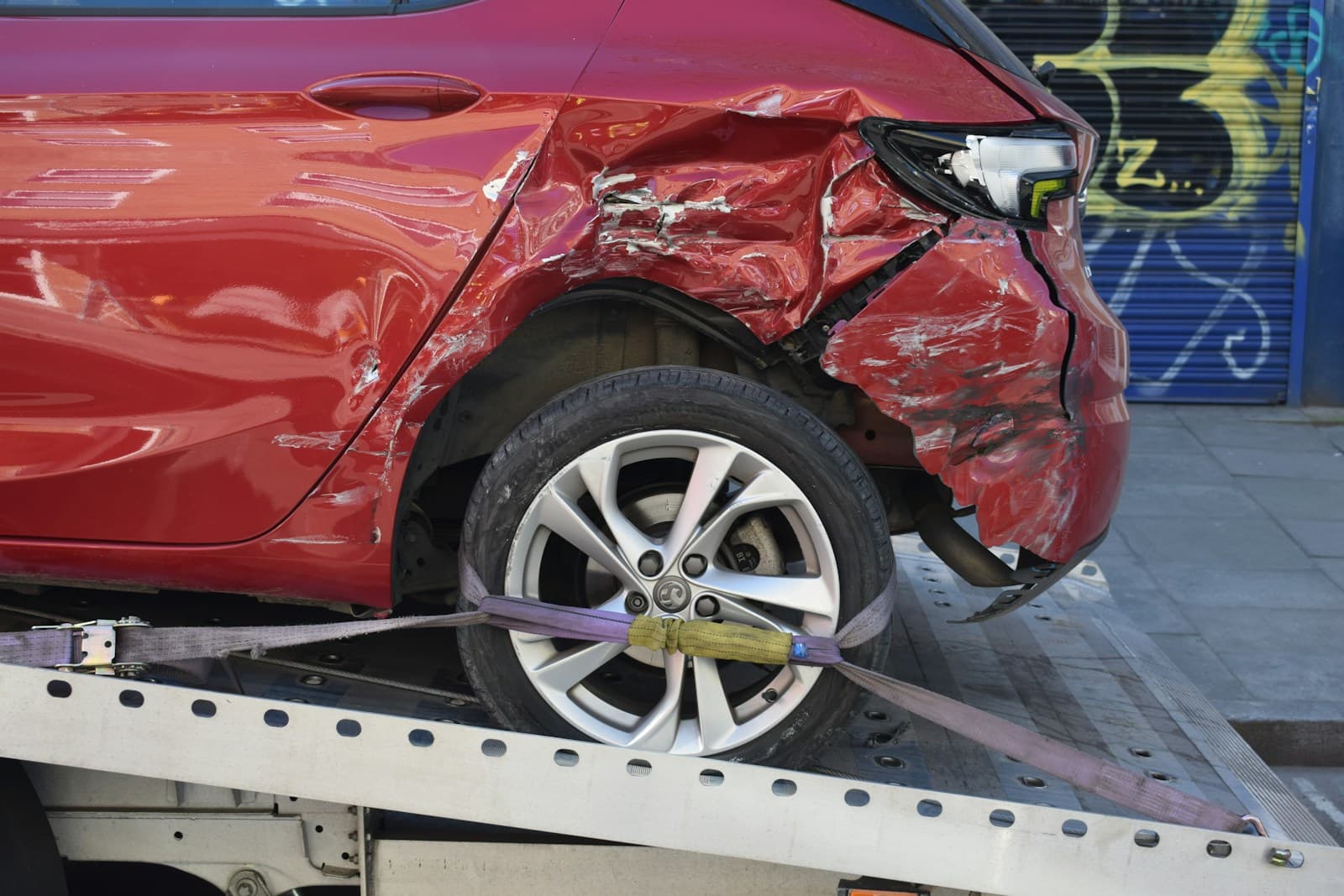
Mississippi law requires SR-22 proof of insurance after a DUI, but not full coverage—dropping collision and comprehensive is legally allowed if you own your vehicle outright and can manage the financial risk of a total loss.
What Mississippi Actually Requires After a DUI: SR-22 Liability, Not Full Coverage
Mississippi law requires you to carry liability insurance with SR-22 filing after a DUI conviction, not full coverage. The state mandates minimum liability limits of 25/50/25: $25,000 bodily injury per person, $50,000 per accident, and $25,000 property damage. Full coverage—collision and comprehensive—is never a state requirement for SR-22 compliance.
You can legally drop full coverage and maintain SR-22 status as long as you meet Mississippi's liability minimums and keep continuous SR-22 filing for the required period, typically 3 years from your license reinstatement date. The DMV receives electronic confirmation from your insurer every time your policy renews or changes, so your carrier will file an SR-22 update whether you're carrying liability-only or full coverage.
The confusion stems from lender requirements, not state law. If you're still paying off your vehicle or leasing, your financing agreement almost certainly requires collision and comprehensive coverage regardless of your SR-22 status. Dropping full coverage when you have a loan or lease triggers force-placed insurance from your lender at rates far higher than voluntary coverage.
When You Can Actually Drop Full Coverage Without Legal or Financial Penalty
You can drop collision and comprehensive coverage without violating Mississippi SR-22 requirements if you own your vehicle outright—no outstanding loan, no lease, no lienholder on the title. Mississippi only monitors your liability coverage and SR-22 filing status through the state's electronic verification system.
The financial decision is separate from the legal one. Dropping full coverage means you assume 100% of the replacement cost if your vehicle is totaled in an at-fault accident, stolen, or damaged by weather, vandalism, or animal strikes. If your vehicle is worth $8,000 and you drop full coverage to save $40 per month, you're betting you won't total the car in the next 200 months to break even.
Post-DUI drivers face higher collision claim frequency during the SR-22 filing period according to actuarial data—the same risk factors that triggered the DUI increase crash probability. Carriers price full coverage accordingly, but dropping it transfers that entire risk to you. If you can't afford to replace your vehicle out of pocket tomorrow, you can't afford to drop full coverage regardless of what Mississippi law allows.
Find out exactly how long SR-22 is required in your state
How Much You'll Actually Save by Dropping to Liability-Only SR-22
Mississippi drivers with a DUI typically pay $95–$175 per month for liability-only SR-22 coverage and $140–$250 per month for full coverage SR-22, depending on age, county, and conviction class. The monthly savings from dropping collision and comprehensive range from $45–$75 in most counties.
The savings are smaller than clean-record drivers experience because the DUI surcharge applies to your entire premium, not just liability. Non-standard carriers like The General, Acceptance, and Direct Auto assess violation surcharges as policy-level multipliers—dropping full coverage reduces your base premium but doesn't remove the DUI loading factor.
Rate examples for a 32-year-old male driver in Jackson, Mississippi with a first-offense DUI and 2019 Honda Civic: liability-only SR-22 averages $128/month, full coverage SR-22 averages $189/month, for a $61 monthly savings. The same driver with a clean record would save roughly $95/month by dropping full coverage, because the base rates are lower and the percentage reduction is larger.
What Happens to Your SR-22 Filing When You Change Coverage Levels
Your SR-22 filing stays active when you drop from full coverage to liability-only as long as you maintain continuous coverage with no lapse. Mississippi carriers file an SR-22 update with the DMV whenever your policy changes—adding or removing coverage, changing vehicles, or adjusting limits all trigger electronic filing updates.
The risk is timing. If you cancel your full coverage policy and start a new liability-only policy with a different carrier, any gap longer than 24 hours between cancellation and new policy effective date counts as a lapse. Mississippi DMV receives an SR-22 cancellation notice from your old carrier and will suspend your license if the new SR-22 filing doesn't arrive before the suspension processes.
The safest sequence: purchase your new liability-only SR-22 policy with an effective date matching your current policy's cancellation date, confirm the new carrier has filed SR-22 with Mississippi DMV, then cancel your full coverage policy. Most non-standard carriers allow same-day SR-22 filing, but processing delays at the DMV can create suspension risk if you don't verify filing receipt.
How Lenders and Lessors Respond When You Drop Full Coverage
If you have an outstanding auto loan or lease and drop collision or comprehensive coverage, your lender will receive notice within 30–45 days through the lienholder notification system. Every carrier reports coverage changes to lienholders electronically, and Mississippi law allows lenders to protect their collateral by force-placing coverage when borrowers drop required insurance.
Force-placed insurance costs 2–4 times more than voluntary full coverage and provides minimal protection—it covers the lender's interest in the vehicle but typically excludes your personal injury, provides no gap coverage, and offers no deductible flexibility. A voluntary full coverage SR-22 policy costing $185/month might be replaced by a force-placed policy costing $350–$450/month, billed directly through your loan payment.
Lenders also report coverage lapses to credit bureaus as loan agreement violations, which damages your credit score and can trigger loan default provisions. If you're considering dropping full coverage to afford SR-22, contact your lender first—some will renegotiate coverage requirements or adjust loan terms rather than force-place expensive insurance.
Carrier Acceptance for Liability-Only SR-22 Policies in Mississippi
Non-standard carriers dominate the Mississippi SR-22 market after a DUI, and most write both liability-only and full coverage policies. Direct Auto, The General, Acceptance Insurance, GAINSCO, and Safe Auto all offer liability-only SR-22 policies statewide. Bristol West and Dairyland write liability SR-22 in most Mississippi counties but restrict coverage in Jackson, Gulfport, and Biloxi for drivers with multiple violations.
Mainstream carriers like State Farm, Allstate, and GEICO typically file SR-22 for existing customers through policy term but non-renew after a DUI conviction. New SR-22 policies after a DUI almost always require the non-standard market, where liability-only pricing is more competitive than full coverage because the carriers specialize in high-risk liability exposure.
Rate variation across non-standard carriers is substantial—liability-only SR-22 quotes for the same driver and coverage limits can range from $95/month to $180/month depending on the carrier's Mississippi risk appetite and county-specific underwriting. Comparing at least three non-standard carriers is standard practice for post-DUI drivers, because the lowest-cost option varies by conviction class, age, and county.
The Real Decision: Coverage Cost vs. Total Loss Financial Risk
Dropping full coverage after a DUI makes financial sense only if you can afford to replace your vehicle with cash immediately after a total loss. The collision deductible you're avoiding by dropping coverage is irrelevant—the question is whether you can absorb a $6,000, $10,000, or $15,000 loss tomorrow without financing a replacement at post-DUI interest rates.
Mississippi drivers with a DUI face subprime auto loan rates averaging 11–18% APR if they need to finance a replacement vehicle, compared to 4–7% for clean-record borrowers. If you drop full coverage, total your current vehicle, and finance a replacement at 14% APR, you're paying $2,500–$4,000 in additional interest over a 5-year loan term compared to keeping full coverage and filing a collision claim.
The liability-only decision also removes comprehensive coverage for non-collision losses: theft, hail, flooding, animal strikes, and vandalism. Mississippi Gulf Coast counties report high wind and flood exposure, and statewide deer collision rates are above the national average. If your vehicle is worth more than 18 months of full coverage premiums, the replacement risk typically outweighs the monthly savings.