Most Mississippi DUI convictions require SR-22 for three years. Your coverage level changes your premium by 40–60%, your collision protection, and what happens if you total your car before your filing period ends.
Mississippi SR-22 Filing Requires Only Liability Coverage
Mississippi DUI convictions trigger a 3-year SR-22 filing requirement measured from your reinstatement date. The state mandates minimum liability limits of 25/50/25—$25,000 per person for injury, $50,000 per accident for injury, and $25,000 for property damage. SR-22 filing confirms you carry at least these minimums. The state does not require collision or comprehensive coverage to satisfy SR-22.
You can legally maintain your SR-22 with liability-only coverage, even if you finance your vehicle or carry a loan. Mississippi's SR-22 filing obligation and your lender's coverage requirements are separate contractual matters. Your bank may require full coverage under your loan agreement, but the SR-22 itself does not.
Most non-standard carriers write both liability-only and full coverage SR-22 policies. Bristol West, Dairyland, and The General all offer liability-only SR-22 options in Mississippi. Your choice affects your premium, your out-of-pocket risk, and what happens if your car is totaled during your filing period.
Premium Difference Between Liability-Only and Full Coverage After DUI
Liability-only SR-22 premiums in Mississippi typically range from $140 to $220 per month after a first-offense DUI. Adding collision and comprehensive raises that to $240 to $380 per month. The difference reflects collision deductible exposure and the carrier's total-loss risk on a vehicle driven by someone with a DUI conviction.
Your vehicle's age and value determine how much collision coverage costs. A 2018 sedan with $12,000 actual cash value might add $90 per month for collision with a $1,000 deductible. A 2012 truck worth $6,000 might add $50 per month. Comprehensive coverage for theft, weather, and vandalism adds another $20 to $40 per month depending on your ZIP code and vehicle.
Non-standard carriers price DUI-SR-22 policies based on conviction class, vehicle value, and coverage elections. A first-offense DUI with no aggravating factors (no injury, no minor passenger, BAC under 0.15) qualifies for standard non-standard pricing. Aggravated DUI, repeat-offense DUI, or refusal conviction pushes you into higher-tier underwriting with collision premiums 15–25% higher than base rates.
Find out exactly how long SR-22 is required in your state
What Happens If You Total Your Car With Liability-Only SR-22
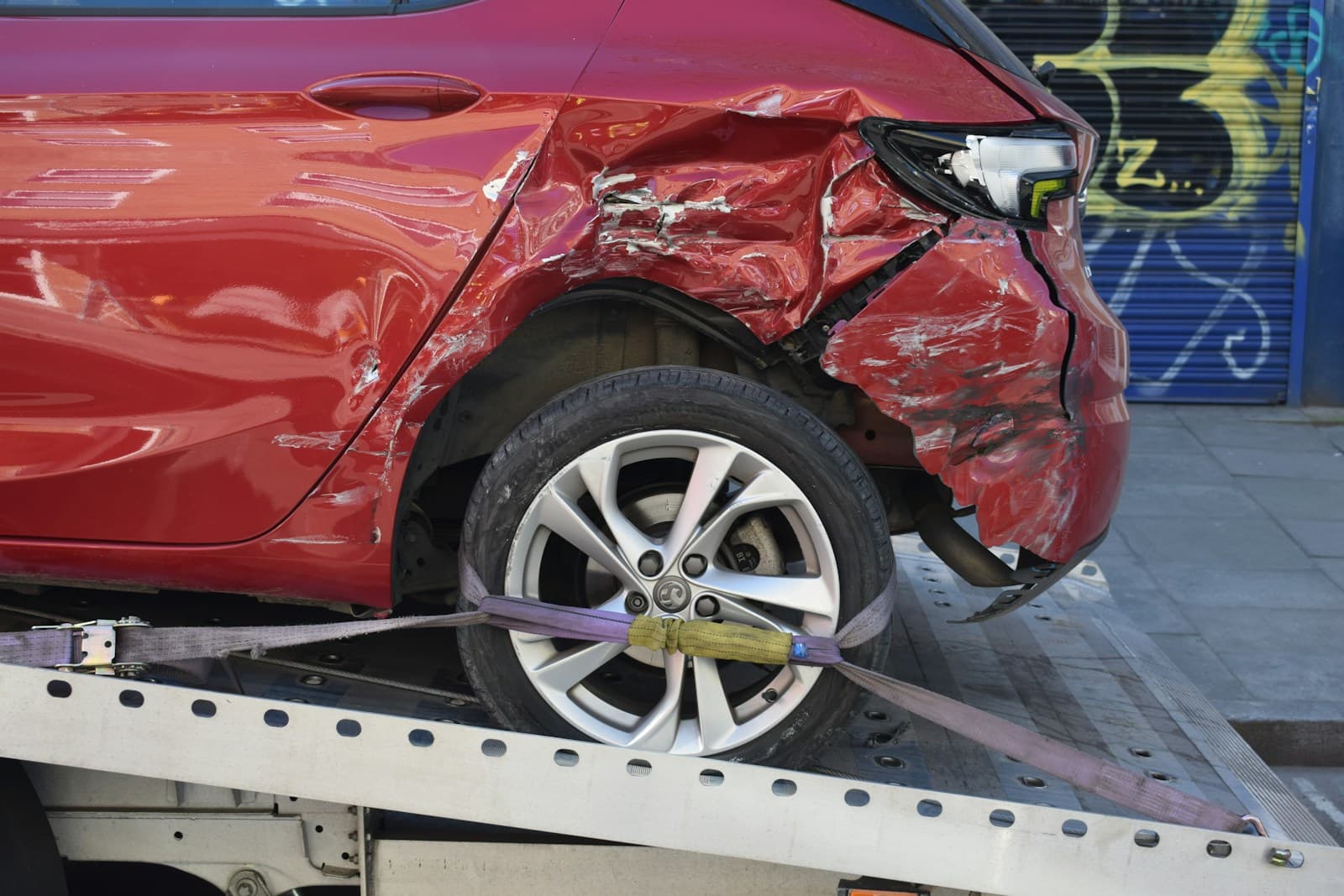
Liability-only coverage pays nothing when you total your own car. You receive no claim payment from your carrier regardless of fault, vehicle value, or how the accident happened. If you owe $8,000 on a vehicle worth $7,500 and total it during your SR-22 period, you still owe the full $8,000 loan balance with no car and no insurance payout.
Your SR-22 filing remains active as long as you replace the totaled vehicle and transfer coverage within 30 days. Mississippi does not cancel your SR-22 for a total loss, but it does cancel if you let coverage lapse. You must buy another vehicle, insure it with SR-22 endorsement, and notify your carrier within 30 days to avoid a filing gap. A single-day lapse resets your 3-year clock to zero.
Most drivers in this situation cannot afford to replace the vehicle and continue SR-22 filing simultaneously. If you total a financed car with liability-only coverage, you face three costs at once: the remaining loan balance, the down payment and fees for a replacement vehicle, and SR-22 insurance on the new car. Gap insurance would cover the loan shortfall, but gap coverage requires full coverage as a prerequisite—you cannot buy gap on a liability-only policy.
When Liability-Only Makes Sense During Your Filing Period
Liability-only works if your vehicle is paid off and worth less than $4,000. A collision claim on a $3,200 vehicle with a $1,000 deductible pays a maximum of $2,200—not enough to justify the added $60 to $90 monthly premium over three years. You would pay $2,160 to $3,240 in collision premiums to protect a $2,200 maximum payout.
Liability-only also works if you can afford to replace your vehicle out of pocket without disrupting your SR-22 compliance. Some drivers buy a second vehicle in cash and register it with non-SR-22 insurance as a backup, then carry liability-only on their daily driver. If the primary vehicle is totaled, they transfer SR-22 to the backup within the 30-day window and avoid a filing lapse.
Drivers who commute fewer than 8,000 miles annually and park in a secure garage reduce collision risk enough that liability-only becomes actuarially reasonable. Mississippi has the fifth-highest uninsured motorist rate in the country at 23.7%, which increases your odds of a hit-and-run or phantom vehicle accident where collision coverage would not apply anyway. Low annual mileage combined with secured parking lowers your total-loss probability below the premium break-even threshold.
When Full Coverage Is Worth the Premium Increase
Full coverage is necessary if you finance your vehicle or owe more than $2,000 on the loan. Lenders require collision and comprehensive as a condition of financing. Dropping collision triggers a lender-placed coverage notice, then forced-place insurance at 2 to 3 times your quoted premium. You cannot satisfy both your loan agreement and your SR-22 requirement on liability-only if you financed the car.
Full coverage protects you if your vehicle is worth more than $6,000 and you cannot replace it without financing another car. Totaling a $9,000 vehicle with collision coverage and a $1,000 deductible pays $8,000 toward replacement. Totaling the same car with liability-only pays nothing and forces you into a higher-interest auto loan with a DUI on your record. The financing terms available after a DUI conviction make collision coverage cheaper than the alternative.
Drivers who commute more than 15,000 miles annually or drive in high-density areas face total-loss probability high enough to justify collision premiums. Mississippi's rural highways and urban corridors in Jackson, Gulfport, and Hattiesburg report DUI-related accident rates 30% higher than the state average. If your daily route includes Interstate 55 through Jackson or Highway 49 near Hattiesburg, collision risk exceeds the premium cost over a 3-year filing period.
How to Switch Coverage During Your SR-22 Filing Period
You can switch from liability-only to full coverage or full coverage to liability-only at any point during your SR-22 period without affecting your filing. Contact your carrier, request the coverage change, and confirm they will re-file your SR-22 with the updated policy. Most non-standard carriers process mid-term endorsements within 48 hours and submit the revised SR-22 to the Mississippi Department of Public Safety electronically.
Switching coverage does not reset your 3-year filing clock. Your SR-22 obligation runs from your reinstatement date regardless of how many times you adjust coverage levels, change carriers, or modify your policy. The filing period clock stops only if you let coverage lapse—switching from full coverage to liability-only on an active policy is not a lapse.
Carriers apply short-rate penalties when you remove collision or comprehensive mid-term. Short-rate cancellation returns less than the pro-rata unused premium—you lose 5% to 10% of the remaining term premium as an administrative fee. If you paid $1,200 for a 6-month full coverage policy and drop to liability-only after 3 months, you receive roughly $540 back instead of the $600 pro-rata credit. The penalty does not affect your SR-22 filing or your driving record.
Non-Owner SR-22 as an Alternative to Liability-Only
Non-owner SR-22 policies cost $30 to $60 per month in Mississippi and satisfy your filing requirement if you do not own a vehicle. Non-owner coverage provides liability protection when you drive a borrowed or rented car, but it includes no collision or comprehensive coverage because you do not own the vehicle being insured.
Non-owner SR-22 works if you sold your car after your DUI conviction, rely on rideshare or public transit, and borrow vehicles occasionally. It maintains your SR-22 compliance for three years at the lowest possible cost. You can switch from a standard SR-22 policy to non-owner SR-22 mid-term without resetting your filing clock, as long as you cancel your vehicle registration within 10 days of dropping the standard policy.
Some Mississippi drivers carry non-owner SR-22 for the full 3-year filing period, then buy a vehicle and switch to a standard policy only after SR-22 ends. This avoids the collision-coverage decision entirely and reduces total insurance cost during the filing period by 60% to 75% compared to full coverage SR-22. Non-owner policies are available from Dairyland, The General, and Bristol West in Mississippi.