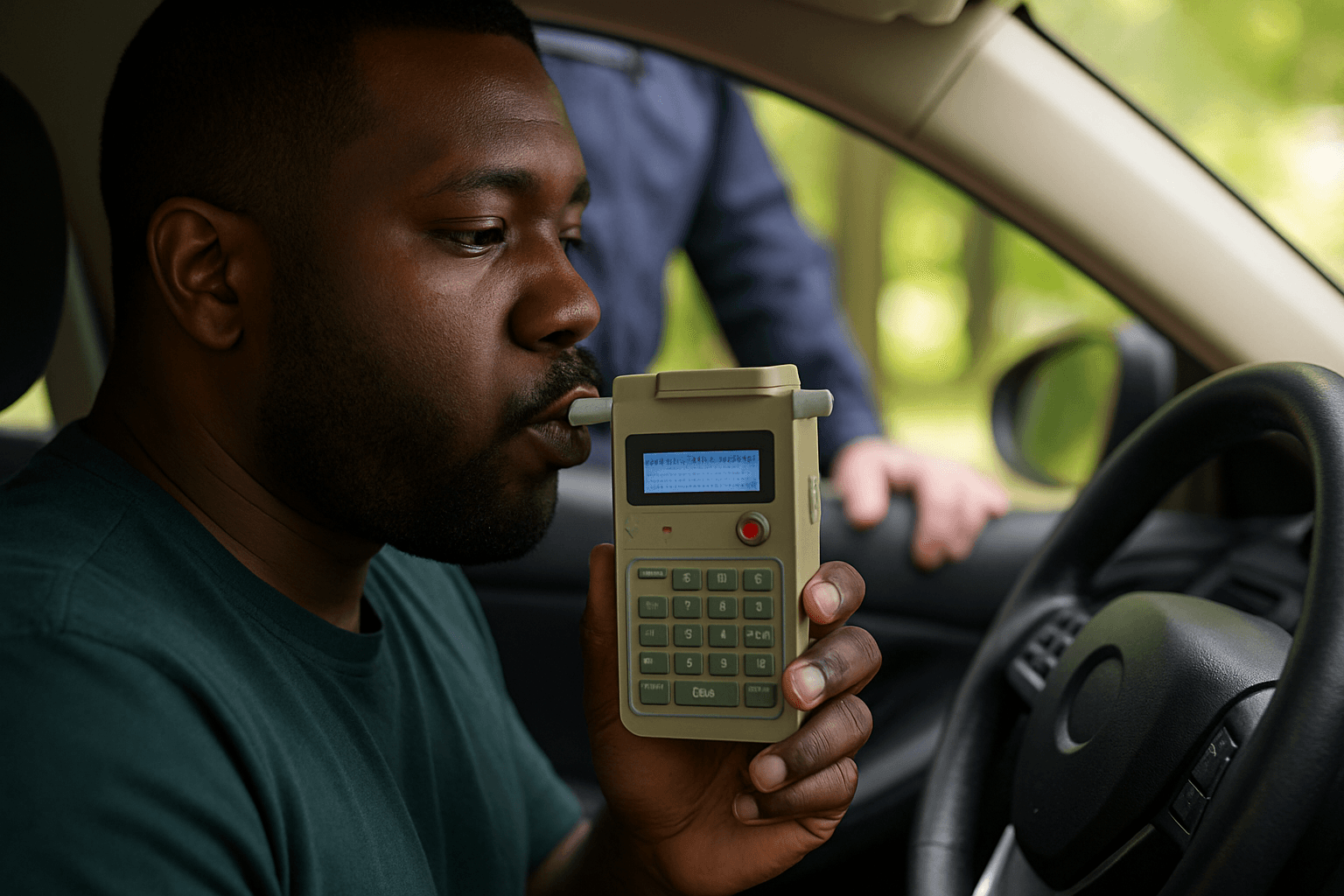
District of Columbia law extends SR-22 filing to 5 years for aggravated DUI convictions with BAC at or above 0.20%, but DMV reinstatement documents often reference only the standard 3-year period, leaving drivers to discover the extension only after coverage lapses.
What Makes a DUI Aggravated in DC and Why It Doubles Your Filing Period
DC law classifies a DUI as aggravated when your BAC reaches 0.20% or higher — 2.5 times the legal limit. That classification triggers a 5-year SR-22 filing requirement instead of the standard 3 years that apply to first-offense DUI convictions with BAC between 0.08% and 0.19%. The extended period starts on your conviction date, not your reinstatement date, which means drivers convicted in January but not reinstated until June are already 5 months into their filing clock without knowing it.
The aggravated designation also appears when a DUI involves a minor under 16 in the vehicle, serious bodily injury, or property damage exceeding $1,000. Each triggers the same 5-year SR-22 obligation. DC Superior Court sentencing documents should specify the filing period, but DMV reinstatement paperwork often lists only the generic SR-22 requirement without the extended duration, creating confusion at renewal time.
Most drivers discover the 5-year requirement only when they attempt to cancel SR-22 after 3 years and DMV rejects the request. That rejection typically arrives 30-45 days after the cancellation attempt, during which time some drivers have already switched to non-SR-22 policies. The resulting lapse resets the entire 5-year clock to day zero.
How DC Calculates Your Filing Start Date and Why It's Not Reinstatement Day
DC starts your SR-22 filing period on the date of conviction, not the date you file SR-22 or reinstate your license. A conviction on March 15 starts your 5-year clock on March 15, even if your license isn't reinstated until July 20. This means drivers who delay reinstatement are shortening their post-reinstatement filing obligation without realizing it — but they're also driving without valid insurance during that gap, which compounds penalties if stopped.
The conviction date is the day the judge enters the guilty finding or the day you plead guilty, not your arrest date. If you were arrested in December but convicted in February, February is your start date. DC DMV uses this date to calculate your mandatory filing end date, which appears on your driving record as "SR-22 Required Until [Date]." That end date is exactly 5 years from conviction for aggravated DUI, exactly 3 years for standard first-offense DUI.
If your license was already suspended at the time of conviction, the SR-22 clock still starts on conviction day. You're required to maintain SR-22 filing continuously from that date forward, even if you're not yet eligible to drive. Failing to file SR-22 during a suspension period extends your suspension indefinitely in DC — reinstatement cannot proceed without proof of continuous SR-22 coverage from the conviction date forward.
Find out exactly how long SR-22 is required in your state
Which Carriers Write Aggravated DUI Policies in DC and What They Charge
DC aggravated DUI convictions push you into the non-standard insurance market. Mainstream carriers — State Farm, Geico, Allstate, Progressive — typically non-renew at policy term after any DUI conviction, and most decline to quote new aggravated DUI applicants outright. The District's non-standard market is served primarily by Bristol West, Dairyland, The General, GAINSCO, and National General, though availability varies by ZIP code and conviction recency.
Monthly premiums for DC aggravated DUI SR-22 policies range from $210 to $380 for state minimum liability coverage, approximately 180-240% higher than clean-record rates in the District. Full coverage policies — collision and comprehensive added — typically run $420 to $650 per month, and many carriers require 6 months of paid premium history before adding physical damage coverage to an aggravated DUI policy. Estimates based on available industry data; individual rates vary by vehicle, age, ZIP code, and time since conviction.
Carriers apply aggravated DUI surcharges for the full 5-year filing period, with gradual rate reductions starting in year 4 if no additional violations occur. A 2-year-old aggravated DUI conviction still carries a 90-110% surcharge in most DC non-standard policies. Drivers who complete DUI education, install an ignition interlock device voluntarily, or maintain 12 consecutive months of claims-free coverage may qualify for modest discounts — typically 5-10% — but the aggravated classification itself remains surcharged until the conviction ages past 5 years.
What Happens If You Let SR-22 Lapse During the 5-Year Period
A single day of SR-22 lapse in DC triggers immediate license suspension and resets your 5-year filing requirement to day zero. Your carrier is legally required to notify DC DMV electronically within 24 hours of policy cancellation, non-renewal, or non-payment lapse. DMV processes that notification within 3-5 business days and mails a suspension notice to your address on record. The suspension is effective immediately upon DMV receipt of the lapse notification, not when you receive the letter.
Reinstating after an SR-22 lapse requires a new $98 reinstatement fee, proof of current SR-22 filing, and in many cases a new compliance review if the lapse exceeded 30 days. The 5-year SR-22 clock restarts from the date you file new SR-22 after the lapse, which means a lapse in year 4 extends your total filing obligation to 9 years from your original conviction. DC does not prorate or credit time already served if a lapse occurs.
Carriers treat SR-22 lapses as high-risk events. A lapse during an aggravated DUI filing period typically triggers a 15-25% additional surcharge on top of your existing DUI surcharge, and some non-standard carriers will non-renew rather than continue coverage after a lapse. Drivers who experience a lapse often face 2-3 carrier rejections before finding a willing writer, and monthly premiums after a lapse typically increase $40 to $90 compared to pre-lapse rates.
How to Confirm Your Exact Filing End Date and Avoid Early Cancellation
Request a certified copy of your DC driving record from DMV, which lists your conviction date and your SR-22 required-until date. The certified record costs $13 and is available in person at the Georgetown DMV Service Center or by mail with notarized request. This is the only document that definitively shows whether you're on a 3-year or 5-year filing schedule. Do not rely on your insurance agent's estimate or your own calculation — DC's system flags aggravated convictions internally, and the required-until date on your official record is the controlling authority.
Your SR-22 filing must remain active through the final day listed on your record. If your required-until date is March 15, 2028, your SR-22 must be active on March 15, 2028. Canceling coverage on March 14, 2028 triggers a lapse. Most drivers wait until the day after their end date to request SR-22 removal, then submit a written request to their carrier to stop filing SR-22 with DMV. The carrier processes that request within 3-5 business days, and DMV updates your record within 10 business days.
If you're approaching year 3 of a 5-year requirement, confirm your status 90 days before the 3-year mark. Many drivers assume they're finished at 3 years, cancel SR-22, and discover the error only after suspension. Correcting that mistake costs another $98 reinstatement fee and resets the 5-year clock. Checking your record once at year 2.5 and again at year 4.5 prevents costly missteps and ensures you complete the full filing period without interruption.