Washington adds extra SR-22 filing time for aggravated DUI with high BAC. Most drivers don't know their filing period starts from conviction date, not reinstatement date—and that resets the clock if you lapse.
What Makes a DUI Aggravated in Washington and How It Extends Your Filing Period
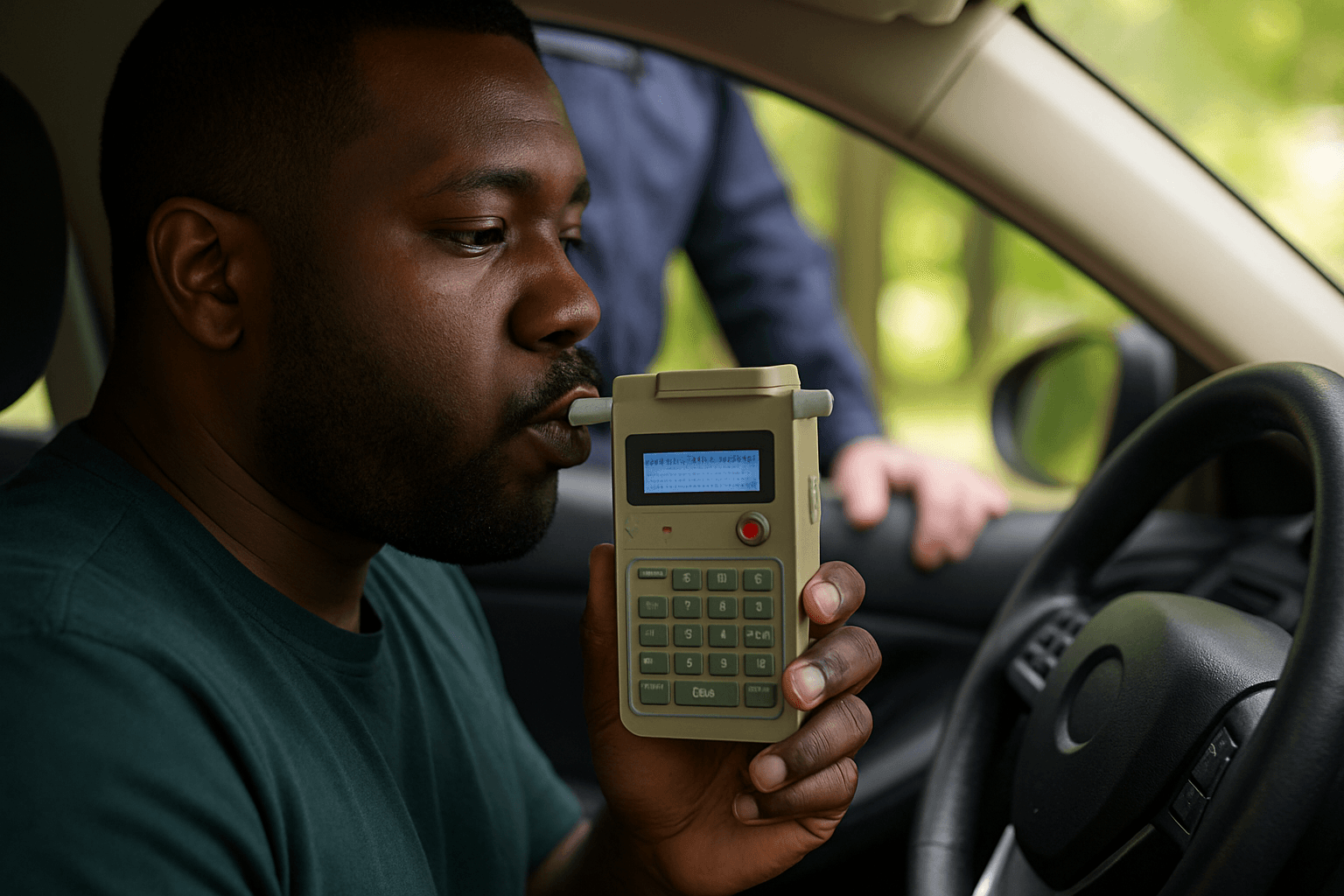
Washington defines aggravated DUI as any conviction with a blood alcohol content of 0.15 or higher, presence of a minor under 16 in the vehicle, or refusal of the breath test. Standard first-offense DUI requires 3 years of SR-22 filing. Aggravated first-offense DUI extends that to 5 years. The filing period runs from your conviction date, not the date you reinstate your license or the date your suspension ends.
Most drivers miscalculate their filing end date by starting the clock from reinstatement. If your conviction date was March 2024 and you didn't reinstate until September 2024, your SR-22 requirement still ends in March 2029 for an aggravated first offense. The six-month delay in getting licensed doesn't shorten the filing obligation.
Washington DOL does not send a reminder when your filing period ends. Your carrier files the SR-22 at policy bind and again at each renewal, but the end date is your responsibility to track. Pull your conviction record from Washington Courts to confirm the exact start date.
How Washington Carriers Price Aggravated DUI Risk Differently Than Standard DUI
Carriers writing SR-22 in Washington price aggravated DUI as a separate risk class from standard DUI. The BAC level, the filing period length, and whether you completed an ignition interlock device requirement all factor into the underwriting tier. Typical monthly premiums for aggravated DUI SR-22 range from $180 to $320 for minimum liability limits, compared to $140 to $240 for standard DUI.
Most national carriers—State Farm, Allstate, Geico—file SR-22 for existing policyholders but non-renew at the first term after conviction. New aggravated DUI policies route to the non-standard market. Dairyland, Bristol West, GAINSCO, and Acceptance write aggravated DUI SR-22 actively in Washington. GAINSCO and Acceptance both offer monthly payment plans with no down payment requirement, which matters when you're managing court fees and reinstatement costs simultaneously.
Washington requires $25,000 bodily injury per person, $50,000 per accident, and $10,000 property damage as state minimums. Carriers writing aggravated DUI SR-22 typically require you to carry those minimums or higher—100/300/50 is common for underwriting approval. The filing itself costs $50 to $75 depending on carrier, paid at bind and again at each renewal.
Find out exactly how long SR-22 is required in your state
When Your Filing Period Starts and What Happens If You Lapse
Washington starts your SR-22 filing period on the date of conviction, which appears on your court sentencing order. If you were convicted March 15, 2024, your 5-year aggravated filing requirement runs through March 15, 2029. License suspension, jail time, and reinstatement delays do not pause or extend that timeline.
If your policy lapses or cancels for any reason during the filing period, your carrier notifies Washington DOL within 10 days. DOL suspends your license immediately. Reinstatement after a lapse requires you to refile SR-22, pay a $75 reissue fee to DOL, and restart the entire filing period from the lapse date. A one-day lapse on year three of a five-year requirement resets you to day one of a new five-year term.
Washington does not offer grace periods or cure windows for SR-22 lapses. The suspension is automatic and the filing-period reset is mandatory. Set up autopay and maintain continuous coverage even if you stop driving—non-owner SR-22 policies cost $40 to $80 per month and keep your filing active without requiring a vehicle.
Comparing Aggravated Filing Requirements Across Conviction Classes
Washington structures filing periods by conviction class and BAC level. Standard first-offense DUI with BAC below 0.15 requires 3 years of SR-22. Aggravated first-offense DUI with BAC 0.15 or higher requires 5 years. Second-offense DUI requires 5 years regardless of BAC. Third or subsequent DUI within 10 years is a felony and requires 10 years of SR-22 filing.
If your aggravated DUI involved refusal of the breath or blood test, Washington imposes the longer filing period even if your BAC was never measured. Refusal is treated as an aggravating factor equivalent to high BAC for purposes of SR-22 duration. The court sentencing order and the DOL suspension notice both specify your exact filing period length—read both documents and keep them accessible.
Ignition interlock device requirements run parallel to SR-22 filing but on a different timeline. Aggravated first-offense DUI requires 1 year of IID, measured from the date you install the device. The IID term does not reduce your SR-22 filing period. Complete the IID requirement, maintain SR-22 filing, and track both end dates separately.
Why Most Drivers Overpay During Years Four and Five of Aggravated Filing
Carriers price SR-22 risk most heavily in the first three years after conviction. By year four, many drivers qualify for standard-market reentry if they've maintained continuous coverage, completed all court requirements, and have no new violations. Most don't shop at year three because they assume they're locked into the non-standard market for the full filing term.
Progressive, Nationwide, and PEMCO all write post-DUI drivers in Washington after three clean years, even if the SR-22 requirement is still active. You can transfer the SR-22 filing to a new carrier without restarting the filing period. The new carrier files an SR-22 at bind, the old carrier files a cancellation notice, and your filing period continues uninterrupted. Rates for year-four aggravated SR-22 in the standard market typically drop to $110 to $180 per month for minimum limits.
Shop your policy at the three-year mark even if your filing obligation runs five years. The filing period is fixed by the court. The carrier pricing your risk is not.
How to Verify Your Filing Period End Date and Avoid Extensions
Request a copy of your conviction record from Washington Courts using their online portal or by visiting the courthouse where you were sentenced. The conviction date is the start date for your SR-22 filing period. Add 5 years for aggravated first-offense DUI, 10 years for felony DUI. That end date is the first day you can cancel SR-22 and reinstate standard insurance.
DOL does not track your filing period for you. They receive SR-22 filings from your carrier and suspension notices when you lapse, but they do not notify you when your requirement ends. Calendar the end date and contact your carrier 30 days before to request cancellation of the SR-22 filing. Your carrier will file an SR-26 form with DOL confirming the filing obligation is satisfied.
If you're unsure whether your filing period was extended due to a prior lapse, request a driver status report from Washington DOL. The report shows your current license status, any active SR-22 requirement, and the filing start date on record. If the start date on file is later than your original conviction date, a lapse reset the clock. Confirm the correct end date before you cancel coverage.