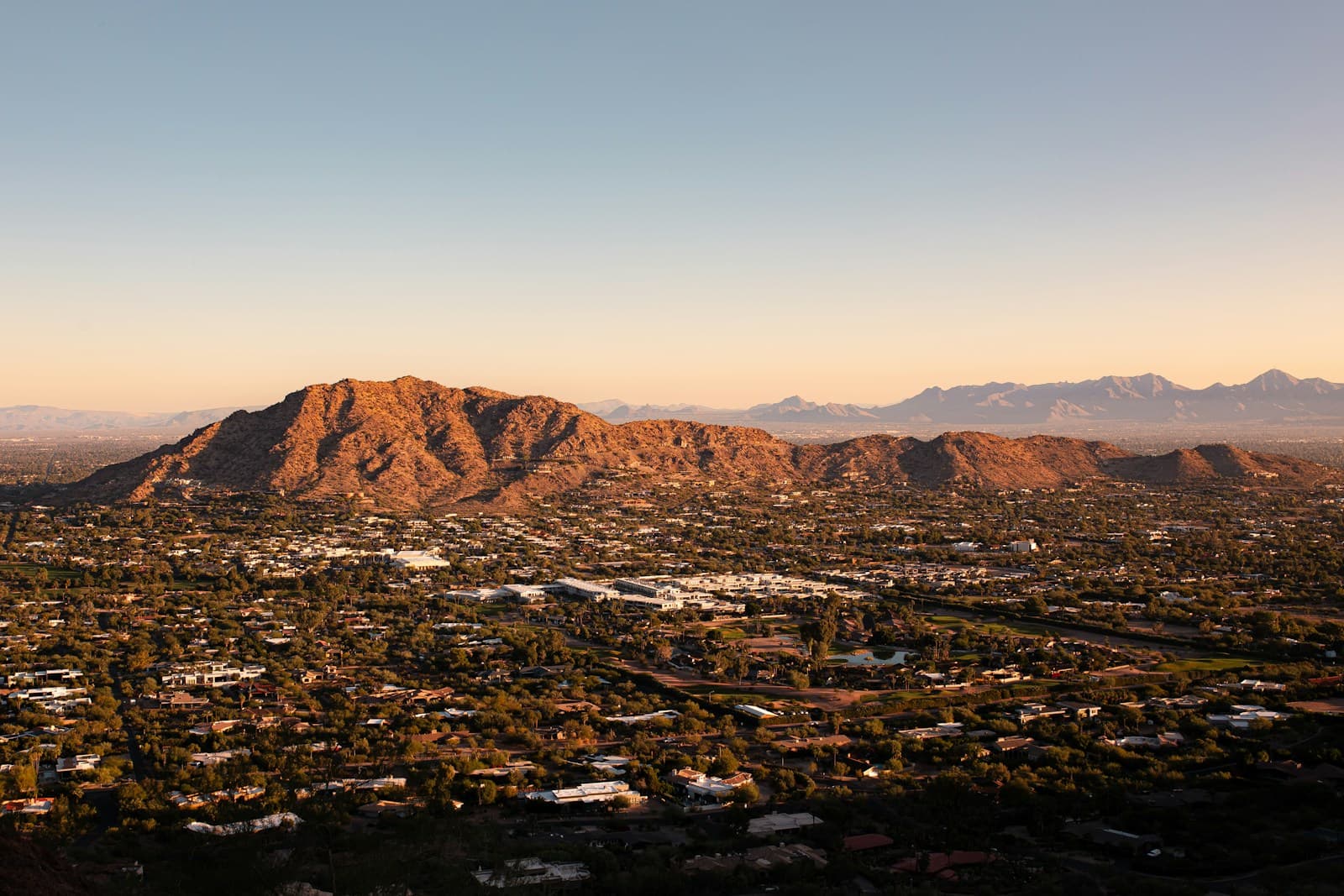
What Affects Rates in Phoenix
- The I-10 Papago Freeway through downtown Phoenix and the I-17 Stack Interchange handle over 200,000 vehicles daily during peak commute hours. Higher collision frequency in these corridors increases liability exposure for SR-22 filers, particularly those navigating restricted work license routes to job sites in Tempe or Scottsdale. Carriers price urban Phoenix zip codes 25–40% higher than outer-ring suburbs due to traffic density alone.
- Phoenix summer temperatures exceed 110°F for weeks at a time, accelerating tire blowouts, battery failures, and cooling system breakdowns on Valley freeways. Comprehensive claims spike June through August when disabled vehicles create secondary collision risk on US-60 and Loop 202. SR-22 policies already carrying DUI surcharges see additional premium load for comprehensive coverage in zip codes 85003–85042.
- Maricopa County maintains one of Arizona's highest uninsured motorist rates, estimated between 12–15% countywide. Phoenix zip codes near South Mountain and West Phoenix show elevated uninsured driver concentration, increasing risk that an SR-22 filer's next accident involves an at-fault uninsured party. Carriers require higher uninsured motorist coverage minimums for non-standard DUI policies as a result.
- Maricopa County recorded 341 thunderstorm wind events and 41 hail events in the last five years, with multiple quarter-sized hail reports in Mesa, Paradise Valley, and Queen Creek. Monsoon microbursts between July and September generate sudden dust storms that close I-10 and SR-51, creating multi-vehicle pileups. Comprehensive coverage becomes essential for SR-22 filers financing vehicles through non-standard lenders who mandate full coverage.
- Phoenix hosts physical branch offices for Bristol West, Direct Auto, GAINSCO, and Acceptance Insurance, all specializing in DUI SR-22 filings. These non-standard carriers dominate the post-conviction market because State Farm, Geico, and Allstate typically non-renew at policy term after a DUI conviction. Walking into a local branch accelerates the filing process, but rates remain 60–90% higher than standard-market premiums until the SR-22 period ends and the conviction ages three years.
Find out exactly how long SR-22 is required in your state
Coverage Recommendations
Cost estimates are based on available industry data and vary by driver profile. These are not insurance quotes.
SR-22 Liability Filing
Phoenix filers navigate ADOT reinstatement timelines while managing court-ordered IID installation and DUI education completion, all with overlapping deadlines.
$180–$295/moEstimated range only. Not a quote.
Non-Owner SR-22
Phoenix public transit coverage via Valley Metro light rail makes non-owner SR-22 viable for central city residents commuting to work without a vehicle.
$40–$75/moEstimated range only. Not a quote.
Uninsured Motorist Coverage
Maricopa County's 12–15% uninsured driver rate makes this coverage critical for Phoenix SR-22 filers navigating high-traffic I-10 and Loop 101 corridors.
+$25–$50/moEstimated range only. Not a quote.
Comprehensive Coverage
Phoenix monsoon season brings sudden microbursts and hail events recorded in Paradise Valley and Mesa, making comprehensive essential for financed vehicles.
+$60–$120/moEstimated range only. Not a quote.