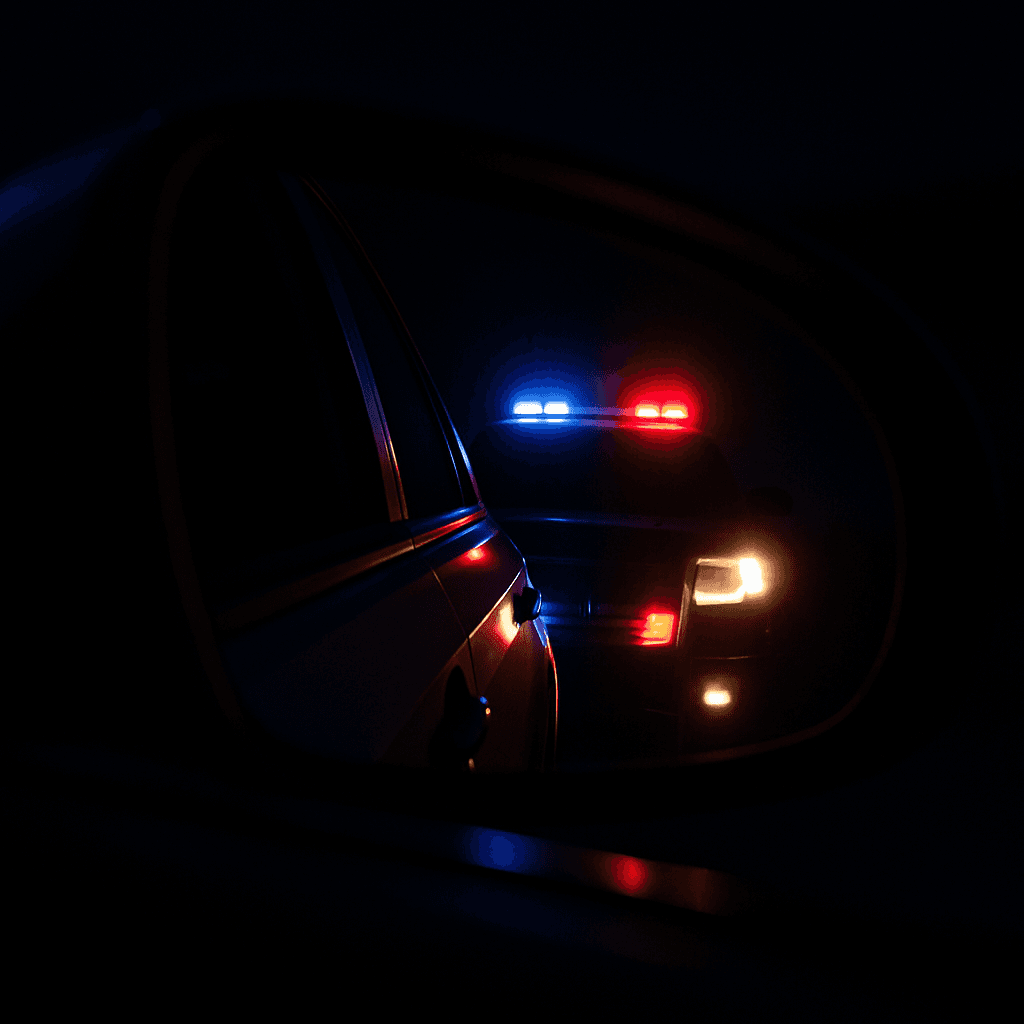
North Carolina's limited driving privilege allows work commutes but not necessarily night driving—here's how shift workers navigate DMV restrictions, SR-22 filing, and carrier acceptance after a DUI.
North Carolina's Limited Driving Privilege Restricts When You Drive, Not Just Where
North Carolina's limited driving privilege (LDP) after DUI restricts your driving to specified purposes—work, school, court-ordered treatment, community service—but most orders also restrict when you can drive, typically daylight hours only or a specific time window tied to your work schedule. Night shift workers face the core problem: your work hours may fall outside the time window your LDP grants, even if your employer is listed on the approved-destination form.
The DMV does not issue blanket "work commute" privileges. Your LDP petition must specify your exact work schedule, employer address, and route. If you work 11 p.m. to 7 a.m., your attorney must request nighttime driving authorization in the LDP petition, supported by employer documentation of your shift. Judges grant nighttime driving less frequently than daytime-only restrictions because North Carolina case law treats nighttime DUI offenses as higher-risk recidivism markers.
If your LDP restricts you to daylight hours and your employer schedules you for night shifts, you cannot legally drive to work under that order. You must petition for a modification through the court that issued your LDP, which typically requires a new hearing, updated employer documentation, and court costs of $100–$200. Most modifications take 2–4 weeks to process, during which your existing LDP remains in effect with its original restrictions.
SR-22 Filing Applies to Your Restricted License the Same Day Your LDP Is Granted
North Carolina requires SR-22 filing for the entire period your license is revoked after DUI, plus three years from your reinstatement date. Your LDP does not pause or reduce this requirement—it layers on top of it. The moment your court grants your LDP, you must have an active SR-22 on file with the DMV or your privilege is void.
Most carriers file SR-22 within 24–48 hours of policy purchase, but the DMV processes the filing 3–7 business days later. If you receive your LDP order on a Friday and buy SR-22 coverage that afternoon, the DMV may not show your SR-22 as active until the following Wednesday. If a trooper pulls you over during that gap, you are driving without valid SR-22 compliance even though you paid for coverage. Print your SR-22 certificate and carrier confirmation email and carry both in your vehicle until the DMV updates your record.
Non-standard carriers that write DUI-SR-22 policies in North Carolina include Dairyland, GAINSCO, Direct Auto, National General, Bristol West, and Acceptance. Monthly premiums for night shift workers with DUI and LDP typically range $180–$310/mo depending on county, vehicle, and conviction class. Carriers treat restricted license status as a rating factor separate from the DUI itself, which adds 10–25% to your base premium.
Find out exactly how long SR-22 is required in your state
How 'Residence' Restrictions Affect Night Shift Errands Before and After Work
North Carolina LDP orders define "residence" as the address on your driver license, not temporary housing, a partner's apartment, or where you sleep during your work week. If you work night shifts in Charlotte but your license lists a Raleigh address where your parents live, your LDP restricts you to Raleigh-area driving unless your petition specifically lists Charlotte as a temporary residence with supporting documentation.
Most LDP orders prohibit stops or detours between approved destinations. If your order permits driving from residence to work and work to residence, stopping at a gas station, pharmacy, or grocery store on your commute violates the privilege. North Carolina Highway Patrol interprets "direct route" strictly: GPS metadata from your phone or vehicle telematics can be subpoenaed to show you deviated from the shortest route. A single proven detour terminates your LDP and resets your revocation period to zero.
To legally run errands, your LDP petition must include specific additional destinations: grocery store, pharmacy, medical provider, DMV office. Each requires an address, and you must use the nearest location to your residence. Judges grant 1–3 additional destinations for first-offense DUI but rarely more. If you work nights and need to shop during the day, you must time those trips within your LDP's approved hours, which often conflict with sleep schedules shift workers depend on.
Ignition Interlock Device Requirements Layer On Top of LDP for Aggravated DUI
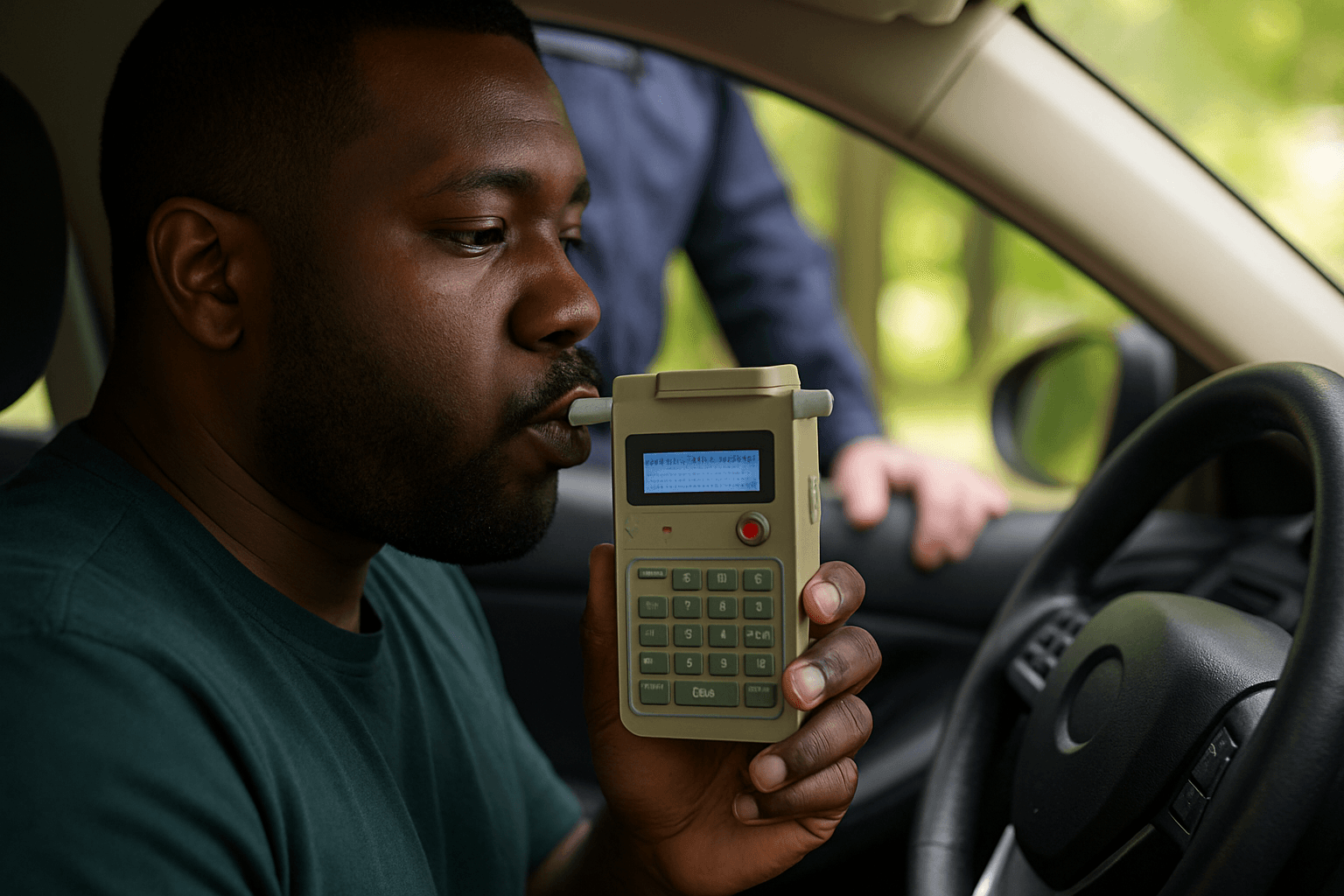
North Carolina mandates ignition interlock devices (IID) for DUI convictions with BAC 0.15% or higher, refusal of breath test, or any second or subsequent offense within seven years. If your conviction triggers IID, your LDP cannot be granted without proof of IID installation, and you must maintain the device for the entire LDP period plus any additional term the court orders.
Night shift workers face two IID complications: rolling retests and startup failure lockouts. North Carolina-approved IID units require rolling retests every 5–15 minutes while the vehicle is running. If you work a 10-hour shift and drive 45 minutes each way, you will face 10–12 retests per commute. A single missed or failed retest triggers a lockout event reported to the DMV within 48 hours, which can result in LDP revocation even if you were sober.
IID units also fail more frequently in extreme cold or heat. If you start your shift at 11 p.m. in January and your vehicle has been parked outside for 8 hours, the IID may fail to calibrate and lock you out. Most IID providers allow one bypass per lockout, but using it generates a violation report. North Carolina courts treat three violation reports in any 12-month period as grounds for immediate LDP termination. Monthly IID costs in North Carolina average $75–$95/mo, and installation fees run $100–$150 depending on provider.
Carrier Underwriting Treats Night Shift Work as Separate Risk from Restricted License
Non-standard carriers that accept DUI-SR-22 drivers apply an occupational rating factor to night shift workers independent of the restricted license surcharge. Underwriting models treat driving between 10 p.m. and 6 a.m. as statistically higher-risk for collision claims, even if your LDP authorizes those hours. Expect an additional 15–30% premium increase compared to day shift workers with identical DUI and SR-22 profiles.
Some carriers will not write DUI-SR-22 policies for drivers whose LDP permits nighttime driving at all. Progressive, Geico, and State Farm almost never renew existing customers after DUI if the LDP includes night driving authorization. National General and GAINSCO write these policies in North Carolina but require dash cam installation or telematics enrollment as a condition of coverage. Dairyland and Direct Auto write night shift LDP drivers without telematics but apply the highest tier rates in their DUI program.
Your employer cannot require you to disclose your restricted license status unless driving is an essential job function, but your carrier can and will verify your work schedule during underwriting. Misrepresenting your shift schedule to avoid the night driving surcharge is material misrepresentation, which voids your SR-22 and your LDP simultaneously. If your carrier cancels for misrepresentation, you will be flagged in the North Carolina Reinsurance Facility database, which limits you to assigned risk pool coverage at rates 40–70% higher than voluntary market non-standard policies.
What Happens If You Violate Your LDP While Driving to or From Work
A single proven LDP violation in North Carolina terminates your privilege immediately and imposes an additional one-year revocation period that begins the day of the violation, not the day of your hearing. If you are pulled over at 3 a.m. driving home from your night shift and your LDP restricts you to daylight hours, you lose your privilege that night, even if you were sober, insured, and driving directly home.
North Carolina does not allow LDP reinstatement after violation. You must serve the new one-year revocation, pay a $130 restoration fee, and file a new LDP petition if you want restricted driving privileges again. The second petition requires a new hearing, new court costs, and judges deny second LDP petitions at rates near 60% statewide for DUI violations involving nighttime driving. Your SR-22 requirement continues through all of this—letting it lapse adds another year to your filing period.
If your violation results in a new charge—driving while license revoked (DWLR) or DWI—you face Class 1 misdemeanor penalties: up to 120 days in jail, $1,000 fine, and mandatory substance abuse assessment. DWLR during an LDP period converts your first-offense DUI revocation into a minimum two-year hard suspension with no privilege eligibility. Carriers treat DWLR as a worse rating event than the original DUI, and most non-standard carriers will not write you after stacked DUI and DWLR convictions.