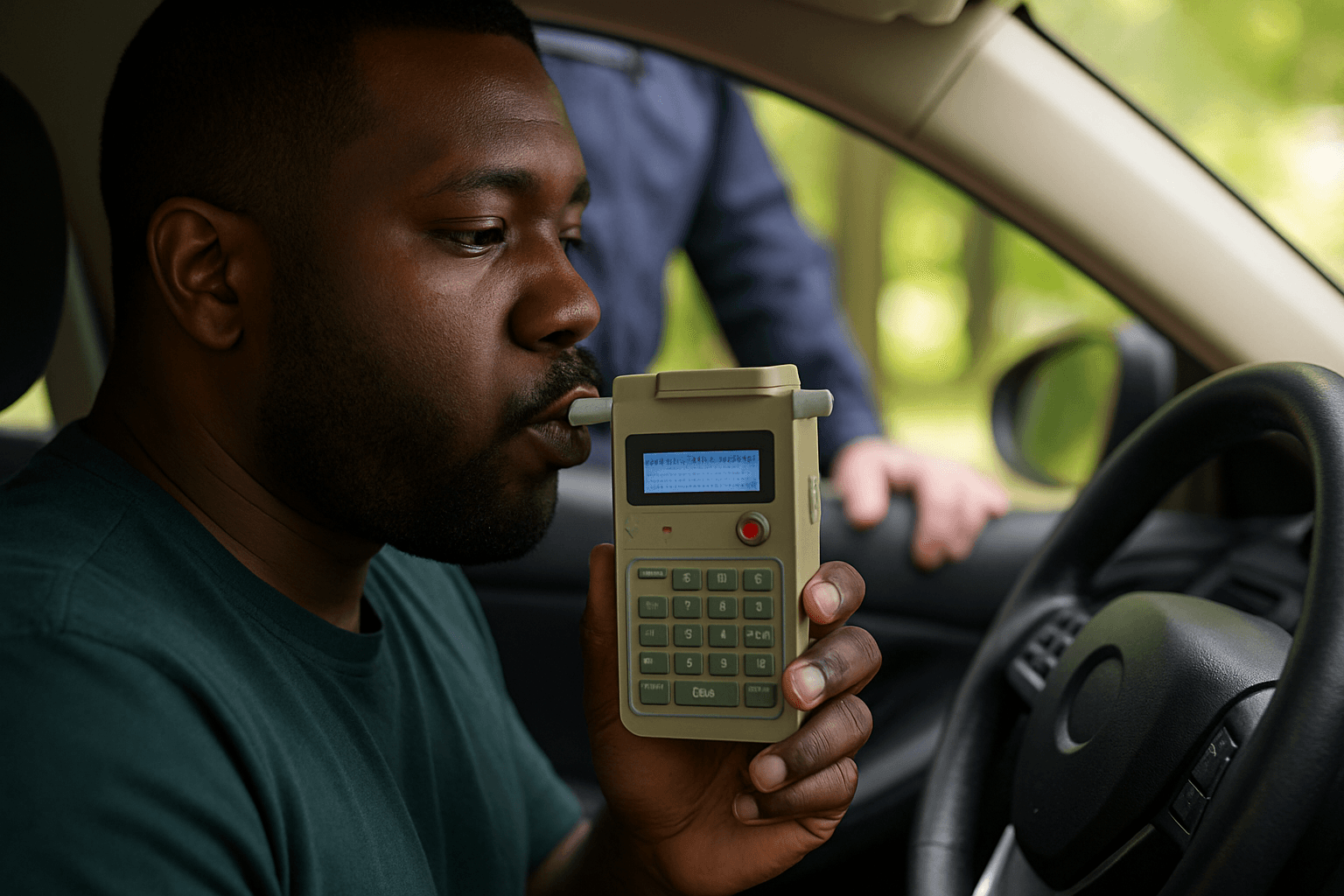
You got a DUI in North Carolina and lost your license. You have kids to get to school, a job that requires driving, and 10 days from your conviction date to request a limited driving privilege hearing — but the DMV won't schedule it until you file SR-22.
What North Carolina's Limited Driving Privilege Actually Covers
North Carolina's limited driving privilege (LDP) allows you to drive for work, school, treatment programs, and court-ordered obligations during your DUI suspension. You cannot use it for errands, dropping kids at daycare outside school hours, or social trips — enforcement is strict and violation revokes the privilege permanently.
The privilege operates on a restricted schedule set by the judge, typically 6 a.m. to 8 p.m. on weekdays. If your job requires night shifts or weekend hours, you must document that in your petition with employer verification. Single parents often request school transportation windows, but North Carolina does not automatically grant them — the judge decides based on your documented need.
You pay a $100 filing fee for the petition and must maintain SR-22 insurance for the entire suspension period, which starts at one year for a first-offense DUI. Most parents underestimate the monthly SR-22 cost: expect $120–$210/mo for a non-standard policy after DUI, significantly higher than your pre-conviction rate.
The 10-Day Window and Why Most Single Parents Miss It
North Carolina gives you 10 calendar days from your DUI conviction date to file a petition for limited driving privilege with the court. If you miss this window, you wait a minimum of 30 days from conviction to apply — longer if your case involved aggravating factors like a child in the vehicle or a BAC above 0.15.
The hidden trap: the DMV will not schedule your LDP hearing until you prove SR-22 filing. Most single parents spend the first week after conviction finding a lawyer, arranging childcare for court dates, and managing immediate fallout. By day eight, they learn they need SR-22 filed before the hearing request is accepted — but securing a non-standard carrier and completing the filing takes three to five business days. The math doesn't work.
File SR-22 immediately after conviction, before you petition for the privilege. North Carolina allows both electronic and paper SR-22 filing, but electronic posts to your DMV record within 24 hours. Paper filings can take up to seven days to process, which pushes you past the 10-day petition deadline.
Find out exactly how long SR-22 is required in your state
How to Get SR-22 Filed When Major Carriers Drop You
State Farm, Geico, Allstate, and Progressive will file SR-22 for current customers after a DUI, but most non-renew your policy at the six-month term. If you were not insured at the time of your arrest — common for single parents managing tight budgets — you start in the non-standard market immediately.
North Carolina non-standard carriers who regularly write post-DUI SR-22 policies: Dairyland, The General, GAINSCO, National General, Bristol West, and Safe Auto. Availability varies by county — urban areas have more options, rural counties often limit you to two or three carriers. Expect a 70–110% rate increase over your pre-DUI premium, with higher increases if your conviction involved property damage or injury.
You need liability coverage at North Carolina's minimum limits to satisfy SR-22: $30,000 bodily injury per person, $60,000 per accident, and $25,000 property damage. Adding collision or comprehensive increases your monthly cost by $40–$80, but it is not required for SR-22 compliance. Most single parents on restricted budgets carry liability-only during the filing period.
What Happens If You Let SR-22 Lapse During Your Suspension
North Carolina treats SR-22 lapse as a new violation. If your carrier cancels your policy or you miss a payment and coverage terminates, the insurer notifies the DMV electronically within 24 hours. The DMV immediately suspends your license again — even if you already had a limited driving privilege in place.
Your LDP is revoked the day the lapse is reported. You cannot reinstate it until you file new SR-22 proof and pay a $50 restoration fee. The lapse also restarts your three-year SR-22 filing requirement from the new lapse date, not your original conviction date. A single missed payment in year two resets your clock to zero.
Set up automatic payments with your non-standard carrier and monitor your policy status monthly. North Carolina does not send a warning before suspension — the DMV acts on the carrier's lapse notification immediately. If you anticipate a coverage gap due to financial hardship, contact your carrier before the cancellation posts. Some will allow a brief grace period if you commit to a payment plan.
Work, School, and Treatment: What You Can Prove to the Judge
When you petition for limited driving privilege, you submit a notarized affidavit documenting your need. For work travel, provide a letter from your employer on company letterhead stating your job location, required hours, and confirmation that public transportation is unavailable or impractical. The judge will deny vague or unverified claims.
Single parents frequently request school transportation privileges for children. North Carolina judges grant these if the school is outside walking distance and no other household member can provide transport. You need school enrollment verification and a statement explaining why alternative arrangements — carpool, school bus, relative — are not feasible. Judges scrutinize daycare drop-offs more closely than K-12 school runs.
Court-ordered DUI treatment programs, substance abuse assessments, and ignition interlock device service appointments qualify as approved travel under the privilege. Attach your treatment schedule and facility address to your petition. If you are required to install an IID, North Carolina mandates it before the LDP is granted — you cannot drive to the installation appointment under the privilege.
How Long You'll Maintain SR-22 and What Reinstatement Costs
North Carolina requires three years of continuous SR-22 filing after a DUI conviction, measured from your conviction date if you maintain coverage without lapse. If you lapse at any point, the three-year period restarts from the date you refile. Most single parents pay SR-22 premiums for 36–42 months when accounting for initial delays in securing coverage.
After your suspension period ends — one year for a first offense, longer for aggravated or repeat convictions — you pay a $130 license restoration fee to the DMV. You must show proof of current SR-22 filing at the time of reinstatement. If your SR-22 lapses the week before reinstatement, you cannot restore your license until you refile and wait for DMV processing.
Your SR-22 requirement officially ends three years after conviction if you maintained continuous coverage. Contact your carrier 30 days before the end date and request SR-22 removal from your policy. North Carolina does not automatically notify you when the requirement expires — you must track the timeline yourself. Removing SR-22 typically reduces your premium by 10–20%, though your DUI surcharge remains for three to five years depending on the carrier.