Connecticut lenders don't just care about your SR-22 filing — they require continuous full coverage at higher liability limits than state minimums, and any gap triggers force-placed insurance that can double your loan cost.
Connecticut Lenders Require Full Coverage Throughout Your SR-22 Filing Period
Your lender's collateral protection clause stays active for the entire 3-year SR-22 filing period Connecticut requires after a DUI conviction. That clause requires you to maintain comprehensive and collision coverage with liability limits at or above 100/300/100 — higher than Connecticut's statutory SR-22 minimums of 25/50/25. The state DMV will accept a policy meeting minimum limits to satisfy your SR-22 filing requirement, but your lender won't.
Most auto loan contracts define "full coverage" as bodily injury liability of at least $100,000 per person and $300,000 per accident, property damage liability of $100,000, plus comprehensive and collision with deductibles no higher than $1,000. Some lenders push this to 250/500/100 for DUI-SR-22 borrowers because you now fall into their high-risk credit tier. Your loan servicer will verify coverage monthly by checking with your insurer directly — they don't rely on you sending proof.
If your policy doesn't meet lender requirements or lapses for any reason, the lender receives automated notice within 10 days and can force-place coverage immediately. Force-placed policies protect only the lender's financial interest in the vehicle, provide zero liability protection for you, and cost 3-5 times what you'd pay in the non-standard market. That premium gets added to your loan balance with interest compounding over the remaining loan term.
What Happens If You File SR-22 With State-Minimum Coverage
Connecticut allows you to satisfy SR-22 filing with 25/50/25 liability limits if you don't have a loan. The DMV will accept the filing, your license gets reinstated, and you're legally compliant. But if you have an active auto loan and your policy shows only state minimums, your lender flags the account within 30 days.
The lender sends a cure notice giving you 10-15 days to upgrade coverage to meet contract requirements. If you don't respond or can't afford the upgrade, they place collateral protection insurance on the vehicle. CPI covers only physical damage to the car — zero liability, zero medical payments, zero uninsured motorist. You're still legally required to carry SR-22 liability to keep your license valid, so now you're paying for two policies: the liability-only SR-22 policy to satisfy the state, and the lender's force-placed physical damage coverage.
The combined cost typically runs $400-$600 per month depending on your vehicle value. CPI premiums are non-negotiable and billed monthly as a loan payment add-on. Most Connecticut DUI-SR-22 drivers can find full-coverage non-standard policies for $180-$280/mo, which satisfies both the lender and the state with a single policy.
Find out exactly how long SR-22 is required in your state
How Connecticut Lenders Monitor Your SR-22 Compliance
Lenders subscribe to continuous insurance verification systems that pull policy status directly from insurers every 30 days. When your insurer files your SR-22 with the Connecticut DMV, that same filing data flows to the lender's tracking system. They see your coverage limits, policy effective dates, premium payment status, and whether the SR-22 endorsement is active.
If you miss a premium payment and your insurer cancels the policy, the SR-22 gets withdrawn and the Connecticut DMV receives notice within 24 hours. The lender receives the same notice. Your license suspension for SR-22 lapse takes effect 30 days after the withdrawal date, but the lender can act immediately — they don't wait for the DMV suspension. Most send a force-placement notice within 10 days of the lapse and bind CPI coverage within 20 days if you don't reinstate.
Some lenders require you to list them as a loss payee on your SR-22 policy declarations page. This gives them direct claim payment rights if the vehicle is totaled or stolen. If your policy doesn't name the lender as loss payee, they may reject the coverage as non-compliant even if limits meet contract requirements. Confirm loss payee endorsement language with your lender before binding the policy.
Why Most Mainstream Carriers Won't Write Full Coverage After a DUI in Connecticut
Connecticut operates as a fault state with mandatory SR-22 filing after DUI, which pushes most drivers into the non-standard insurance market. Mainstream carriers like State Farm, Geico, Allstate, and Progressive will file SR-22 for existing customers already on the policy when the DUI conviction posts, but they typically non-renew at the end of the current policy term — usually within 6-12 months of the conviction.
New applicants with an active SR-22 requirement from a DUI get declined outright by most standard-market carriers. The few that quote full coverage price it at $380-$520/mo for a driver in their 30s with a first-offense DUI and a financed vehicle, which sits 40-60% higher than non-standard market rates. Non-standard carriers like The General, Dairyland, Bristol West, and GAINSCO specialize in DUI-SR-22 policies and offer full coverage with lender-compliant limits for $180-$280/mo depending on vehicle value and your BAC at arrest.
Carrier availability varies across Connecticut. Bristol West and Direct Auto write statewide. The General focuses on Hartford, New Haven, Bridgeport, and Stamford metro areas. Acceptance Insurance operates mainly in Fairfield and New Haven counties. If your lender requires coverage from an A-rated carrier, your options narrow — most non-standard insurers carry B+ or A- ratings from AM Best, which some lenders reject.
How Loan Payoff Timing Affects Your Coverage Decisions
Connecticut's 3-year SR-22 filing period starts on your conviction date, not your reinstatement date or first day of suspension. If you financed your vehicle 18 months before the DUI and have 42 months remaining on a 60-month loan, your SR-22 requirement outlasts your loan by 6 months. Once the loan pays off, lender coverage requirements end immediately — you can drop comprehensive and collision and carry liability-only SR-22 coverage for the remaining filing period.
Liability-only SR-22 policies in Connecticut run $90-$140/mo in the non-standard market, compared to $180-$280/mo for full coverage. Dropping to liability-only saves $1,080-$1,680 over the final 12 months of your filing period if your loan pays off 12 months before your SR-22 ends. You're still required to maintain continuous SR-22 filing — any lapse resets your 3-year clock to zero and triggers a new license suspension.
If your loan balance exceeds the vehicle's current value and you're underwater, some drivers consider voluntary surrender to eliminate lender coverage requirements. This damages your credit severely and leaves you with SR-22 filing obligations but no vehicle. Connecticut allows non-owner SR-22 policies for drivers without a car, but those policies provide no physical damage coverage and won't help if you need to drive a borrowed or rental vehicle regularly.
What Connecticut Lenders Do If You Total the Vehicle During SR-22 Filing
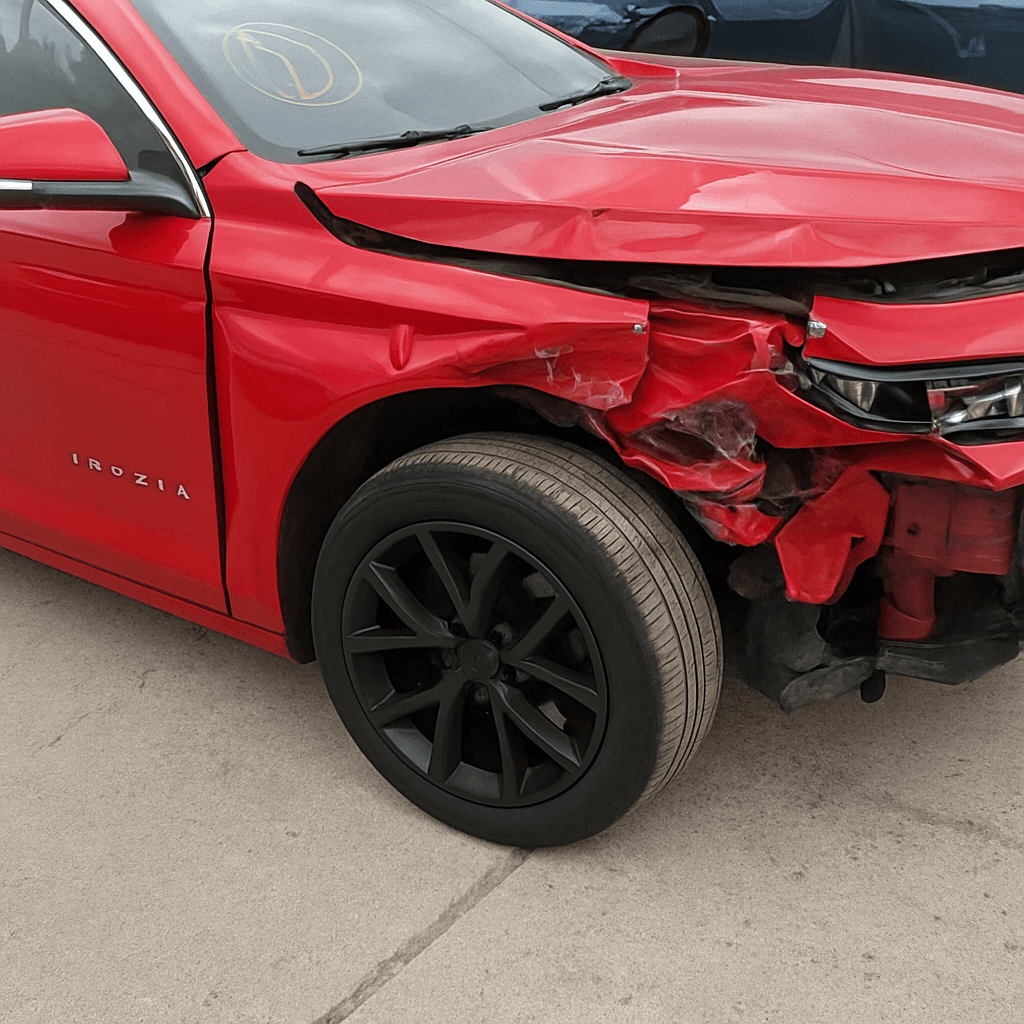
If you total a financed vehicle while carrying lender-compliant full coverage with comprehensive and collision, your insurer pays the actual cash value of the vehicle to the lender first. If ACV exceeds your loan balance, you receive the remainder. If the loan balance exceeds ACV — common for vehicles financed with minimal down payment or high interest rates — you owe the lender the difference unless you carry gap insurance.
Gap coverage pays the difference between ACV and remaining loan balance. Most Connecticut drivers drop gap insurance after 18-24 months into the loan because depreciation slows and principal paydown accelerates, closing the gap. DUI-SR-22 drivers should keep gap coverage active for the full SR-22 filing period — your higher insurance costs and potential for lapse-driven suspensions increase total loss risk compared to clean-record drivers.
Once the vehicle is totaled and the claim settles, your SR-22 filing obligation continues for the remainder of your 3-year period. If you don't purchase another vehicle, you must switch to a non-owner SR-22 policy within 30 days to avoid license suspension. If you finance another vehicle, the new lender will impose the same full-coverage requirements. Total loss doesn't pause or reset your SR-22 clock — the conviction date remains the anchor for your filing period regardless of vehicle changes.