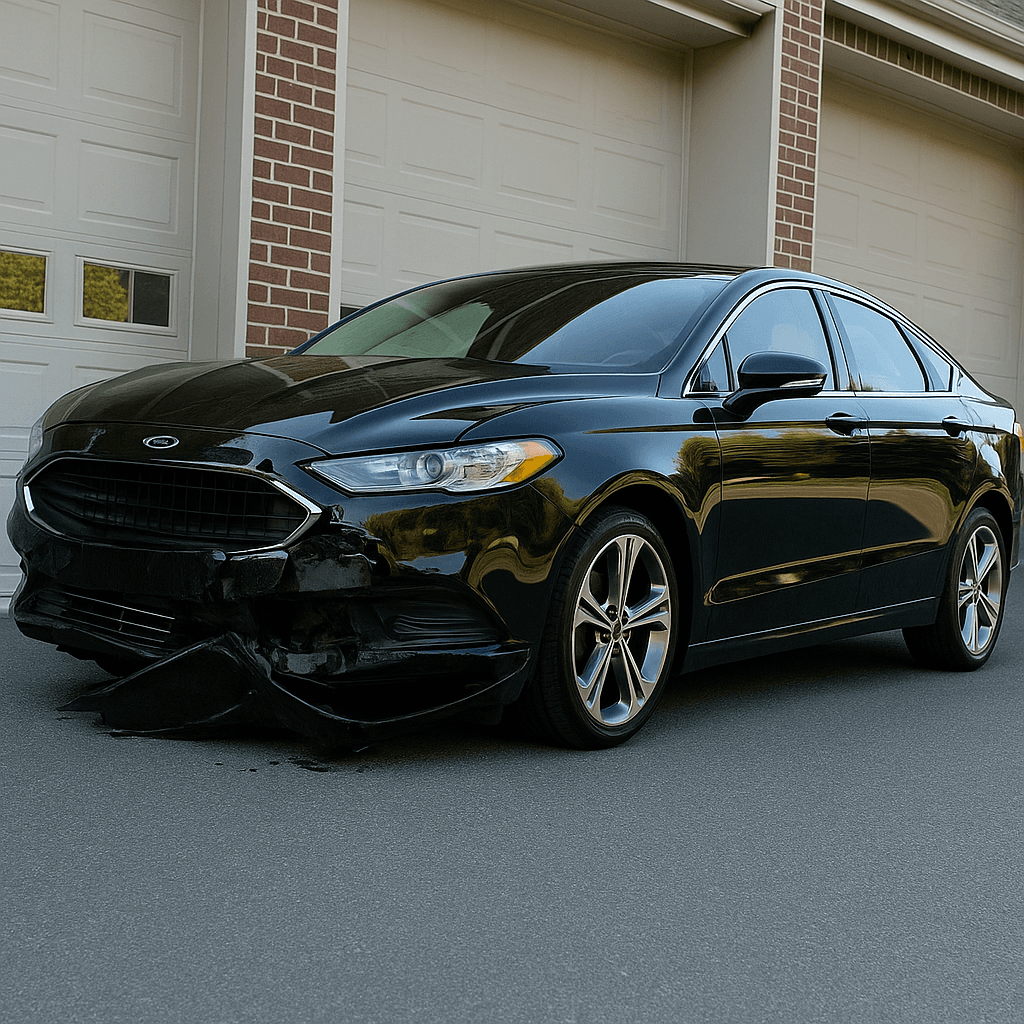
Washington requires only liability during SR-22, but most post-DUI drivers face a coverage decision that affects their rate, their loan, and their reinstatement timeline.
What Washington Actually Requires for SR-22 Filing
Washington requires liability-only coverage to maintain SR-22 compliance: 25/50/10 minimum limits. The state does not mandate collision or comprehensive coverage for SR-22 filing, reinstatement after DUI suspension, or ongoing compliance during your filing period.
Your SR-22 filing obligation lasts 3 years from your reinstatement date in Washington, not your conviction date. The Department of Licensing tracks continuous coverage through your carrier's electronic filing. A single day of lapse triggers a new suspension and restarts your 3-year clock from zero.
Most DUI-SR-22 drivers in Washington carry liability-only policies during reinstatement because it costs 40–60% less than full coverage. Monthly premiums for liability-only SR-22 after DUI typically range from $110–$180/mo with non-standard carriers like Dairyland, Bristol West, or GAINSCO. Full coverage with collision and comprehensive adds $90–$150/mo depending on vehicle value and deductible selection.
When Full Coverage Becomes Mandatory Despite State Law
Lenders and lease companies require full coverage regardless of SR-22 filing status. If you financed or leased your vehicle, your loan contract mandates collision and comprehensive coverage until the loan is paid in full. Dropping to liability-only violates your financing agreement and triggers forced-placed insurance from the lender at 2–3 times your carrier's rate.
Washington reinstatement after DUI suspension requires proof of financial responsibility, which most drivers satisfy through SR-22 filing. But if your DUI involved property damage or injury to another party, the court may impose a higher liability limit requirement as a condition of reinstatement — typically 50/100/25 or 100/300/100. That court-ordered minimum overrides the state's standard 25/50/10 floor.
Carriers in the non-standard market often refuse to write liability-only policies for DUI-SR-22 drivers with vehicles valued above $8,000–$10,000. They view collision coverage as loss mitigation — if you total your car and stop making premium payments, they lose their SR-22 filing revenue. This unwritten underwriting rule forces full coverage on drivers who own newer vehicles outright, even when state law and loan status permit liability-only.
Find out exactly how long SR-22 is required in your state
How Coverage Choice Affects Your Rate and Filing Period
Full coverage after DUI costs more upfront but protects your reinstatement timeline. If you total your vehicle while carrying liability-only, you lose transportation and may struggle to afford a replacement vehicle and the premium for a new policy. A 30-day gap in coverage during your SR-22 period triggers suspension and restarts your 3-year filing clock in Washington.
Liability-only policies allow higher monthly cash flow but eliminate protection for your own vehicle. A DUI-SR-22 driver paying $140/mo for liability-only saves $1,080/year compared to full coverage at $230/mo. That savings disappears if a single at-fault accident or theft totals a vehicle worth $6,000 or more.
Carriers price full coverage based on your vehicle's stated value and your selected deductible. Choosing a $1,000 deductible instead of $500 reduces your collision premium by 15–25%, lowering the gap between liability-only and full coverage to $60–$80/mo. Most non-standard carriers cap stated value at actual cash value or NADA clean retail, whichever is lower, preventing drivers from over-insuring depreciated vehicles.
Which Coverage Level Works for Your DUI-SR-22 Situation
Choose liability-only if you own your vehicle outright, it's worth under $5,000, and you have access to replacement transportation or emergency cash to buy another car if yours is totaled. Liability-only works when losing your vehicle does not threaten your SR-22 compliance timeline or your ability to meet court-ordered work, treatment, or probation obligations.
Choose full coverage if your vehicle is financed, leased, worth over $8,000, or essential to employment or court compliance. Full coverage is required when your lender mandates it, when your carrier refuses to write liability-only for your vehicle class, or when a coverage lapse would cost you your job or violate probation conditions.
Switch from full coverage to liability-only after your loan is paid off, your vehicle depreciates below $5,000, or your SR-22 period ends and you regain access to standard-market carriers. Most drivers drop collision and comprehensive in year 2 or 3 of their filing period when vehicle value falls below the annual cost of full coverage premiums. Confirm your lender released the lienholder requirement before dropping coverage — forced-placed insurance from the lender costs more than any premium you'll save.
How to Quote Both Coverage Levels Before Filing
Request quotes for liability-only at state minimum limits and full coverage with $500 and $1,000 deductibles before you file SR-22. Most non-standard carriers provide both options at quote, and the monthly cost difference determines whether full coverage fits your budget during reinstatement.
Compare the annual premium difference against your vehicle's actual cash value. If full coverage costs $1,200/year more than liability-only and your vehicle is worth $4,000, you're paying 30% of the car's value annually to protect it. That ratio makes liability-only the rational choice unless you lack emergency savings to replace the vehicle.
Ask each carrier whether they'll write liability-only for your vehicle year, make, and model before assuming it's available. Non-standard carriers like The General, Safe Auto, and Acceptance maintain internal vehicle value thresholds that block liability-only policies for newer or higher-value vehicles, even when you own them outright. Discovering that restriction after filing wastes time during your reinstatement window.