Pennsylvania requires 12 months of SR-22 after a DUI. Your choice between liability-only and full coverage depends on your vehicle's value, loan status, and whether you can absorb replacement cost—not just the premium difference.
What Pennsylvania SR-22 Filing Requires After a DUI Conviction
Pennsylvania requires SR-22 filing for 12 months following a DUI conviction, measured from the conviction date, not the reinstatement date. The Department of Transportation mandates continuous coverage with minimum liability limits of 15/30/5 ($15,000 bodily injury per person, $30,000 per accident, $5,000 property damage) throughout the entire filing period. Any lapse—even one day—resets your 12-month clock to zero and triggers an additional license suspension.
SR-22 is a certificate your insurance carrier files with PennDOT proving you carry the state-required minimums. It costs $25–$50 to file initially, plus a $25 fee each year if your filing period extends beyond 12 months due to a lapse. The SR-22 itself is not insurance—it's proof of insurance. Your actual coverage choice (liability-only or full coverage) determines your premium, and that decision shapes your total cost over the filing year.
Most mainstream carriers—State Farm, Geico, Allstate, Progressive—will file SR-22 for existing customers but typically non-renew at the policy term after a DUI. New DUI-SR-22 policies generally require the non-standard market: Bristol West, Dairyland, The General, GAINSCO, Direct Auto. Carrier availability varies by county, and not all non-standard carriers offer full coverage to DUI drivers in Pennsylvania.
How Much Liability-Only SR-22 Costs in Pennsylvania After a DUI
Liability-only SR-22 coverage in Pennsylvania after a DUI typically costs $140–$220/month, depending on your county, age, prior insurance history, and conviction class. First-offense standard DUI convictions (BAC 0.08–0.099 with no aggravating factors) sit at the lower end of that range. Aggravated DUI (high BAC, minor in vehicle, refusal) or repeat-offense convictions push premiums 30–50% higher.
Philadelphia County and Allegheny County drivers see the highest rates—$180–$240/month for liability-only—due to high uninsured motorist rates and dense traffic. Rural counties (Centre, Bradford, Potter) typically run $120–$180/month. Your premium reflects base liability cost plus a DUI surcharge that carriers apply for 3–5 years, even though your SR-22 filing obligation ends after 12 months.
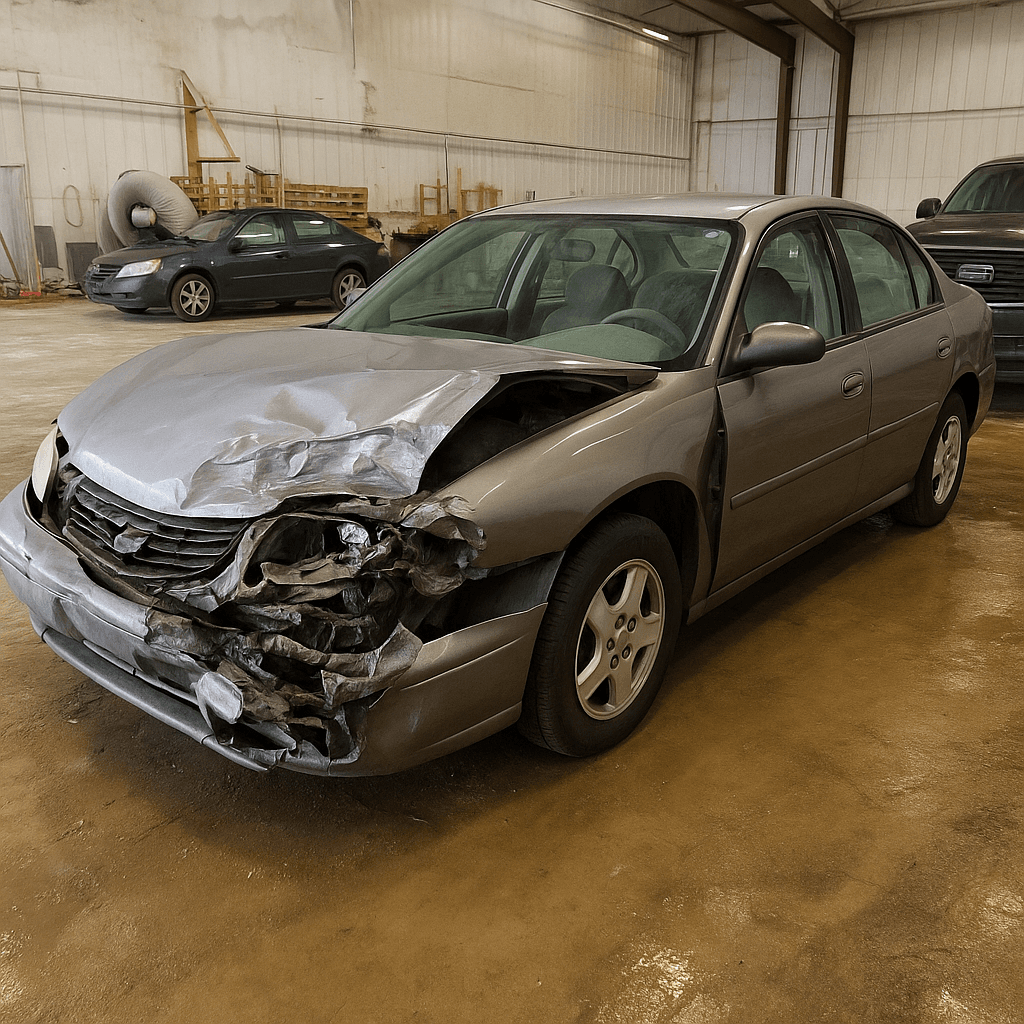
Liability-only covers damage you cause to others—bodily injury and property damage—but pays nothing toward your own vehicle repairs or replacement. If you total your car during the filing period, you absorb the full replacement cost. That risk trade-off is acceptable if your vehicle is worth less than $5,000 or you own it outright and can replace it without financing.
Find out exactly how long SR-22 is required in your state
How Much Full Coverage SR-22 Costs and What It Adds
Full coverage SR-22 in Pennsylvania after a DUI typically costs $260–$400/month, roughly 75–90% more than liability-only. Full coverage adds collision (pays for damage to your vehicle in an at-fault crash) and comprehensive (pays for theft, vandalism, weather damage, hitting a deer). Most carriers require a $500–$1,000 deductible for each coverage, meaning you pay that amount out-of-pocket before insurance covers the rest.
The premium gap narrows if your vehicle is newer or financed. Lenders require collision and comprehensive as a loan condition, so you have no liability-only option until the loan is paid off. If you're financing a $15,000 vehicle and total it six months into your SR-22 period, collision coverage pays the actual cash value (current market value minus depreciation) minus your deductible. Without it, you owe the remaining loan balance on a vehicle you can't drive.
Carriers price collision and comprehensive based on your vehicle's value, but DUI drivers face restricted coverage availability. Some non-standard carriers in Pennsylvania—The General, Safe Auto—offer liability-only only to DUI drivers for the first 12 months post-conviction. Others—Bristol West, Dairyland—offer full coverage but cap vehicle value at $20,000 or require higher deductibles ($1,000 minimum) to offset DUI risk.
When Liability-Only Makes Financial Sense During SR-22 Filing
Liability-only is mathematically cheaper if your vehicle is worth less than $8,000, you own it outright, and you can replace it without financing. The premium savings over 12 months—$1,440–$2,160—exceeds the replacement cost of most vehicles in that value range, especially when you factor in the deductible you'd pay anyway under full coverage.
If you're driving a 2010–2015 sedan worth $4,000–$6,000, paying an extra $120/month for collision coverage means spending $1,440 over the SR-22 year to protect a $5,000 asset, minus a $750 deductible. You'd recover $4,250 maximum if you totaled the car. Most DUI drivers in that scenario self-insure the vehicle and bank the monthly savings.
Liability-only also works if you're driving a vehicle registered in someone else's name—a family member's car, for example—and that owner already carries full coverage on the vehicle. Your SR-22 policy only needs to meet Pennsylvania's liability minimums. You don't need to duplicate collision/comprehensive that's already active on the vehicle under the owner's policy.
When Full Coverage Is Worth the Premium Increase
Full coverage becomes cost-effective if your vehicle is worth more than $8,000, you're financing it, or replacing it would require a new loan. The collision/comprehensive payout after an at-fault crash or theft event covers most of the replacement cost, and the premium increase—though significant—hedges against total financial loss during a year when you're already managing court costs, DUI education fees, and possible ignition interlock expenses.
If you're financing a $12,000 vehicle with $7,000 remaining on the loan and you total it without collision coverage, you owe the lender $7,000 for a car you can't drive, and you need to finance another vehicle to maintain your SR-22 filing. Full coverage caps your out-of-pocket loss at the deductible ($500–$1,000) and pays the actual cash value to the lender, clearing the loan.
Full coverage also makes sense if you rely on your vehicle for work and cannot afford the replacement gap. Pennsylvania does not issue hardship or work licenses during DUI suspension—you must complete the suspension period, pay reinstatement fees, and file SR-22 before driving legally. If you lose your vehicle to theft or crash during the filing period and lack collision/comprehensive, you're without transportation until you can pay cash for a replacement or secure financing as a DUI driver with an active SR-22 requirement.
How Dropping Full Coverage After SR-22 Filing Ends Affects Your Rate
You can drop collision and comprehensive the day your 12-month SR-22 filing period ends, but your DUI surcharge remains on your policy for 3–5 years depending on the carrier. Switching from full coverage to liability-only after the SR-22 requirement lifts saves $120–$180/month immediately, but it does not remove the DUI rating factor that elevates your base premium.
Most carriers apply a DUI surcharge that declines over time: 100% premium increase in year one, 75% in year two, 50% in year three, 25% in year four, then removal after five years. Your SR-22 filing ends after 12 months, but the DUI conviction remains on your insurance record (MVR) for five years in Pennsylvania. Dropping full coverage after the filing period reduces your total premium, but you'll still pay 50–75% more than a driver with a clean record until the five-year mark.
If you drop full coverage and later need to reinstate it—for example, if you finance a new vehicle two years after your DUI—you'll face higher collision/comprehensive premiums than you would have if you'd maintained continuous full coverage. Carriers view coverage gaps as risk signals, and reinstating full coverage as a DUI driver mid-rating period often triggers a re-underwriting review that can increase your premium 10–20% beyond the standard DUI surcharge.
What Happens If You Switch Coverage Types During the SR-22 Period
You can switch from full coverage to liability-only (or vice versa) during your 12-month SR-22 filing period without triggering a lapse, as long as your new policy meets Pennsylvania's minimum liability limits and your carrier files an updated SR-22 with PennDOT. The SR-22 filing remains active as long as continuous coverage is maintained—changing coverage levels is not a lapse.
If you're paying $320/month for full coverage and your vehicle's loan is paid off six months into your SR-22 period, you can switch to liability-only and drop your premium to $160/month for the remaining six months. Your carrier will file an updated SR-22 reflecting the new policy limits. No additional SR-22 filing fee applies unless you switch carriers entirely, in which case the new carrier charges $25–$50 to file.
Switching carriers mid-filing-period is riskier. Your old carrier files an SR-26 (notice of cancellation) with PennDOT the day your policy cancels, and your new carrier must file a new SR-22 the same day to avoid a lapse. If there's any gap—even one business day—PennDOT suspends your license and resets your 12-month SR-22 clock. Most DUI drivers wait until the SR-22 filing period ends before shopping carriers to avoid this coordination risk.