New Jersey requires SR-22 for 3 years after DUI conviction. Choosing liability-only cuts monthly cost by half but leaves you exposed to at-fault accident costs that can break your filing continuity.
Why This Decision Matters During Your New Jersey SR-22 Filing Period
New Jersey law requires continuous SR-22 filing for 3 years after a DUI conviction, measured from your reinstatement date. During this period, any lapse in coverage — even one day — resets your filing clock to zero and triggers immediate license re-suspension. The coverage level you choose directly affects whether a second incident during your filing period terminates your compliance progress or simply becomes a covered claim.
Liability-only SR-22 policies in New Jersey cost $100–$180/mo for DUI filers and satisfy state legal requirements. Full coverage costs $280–$450/mo but includes collision and comprehensive protection that pays for vehicle damage you cause. The practical difference surfaces when you cause an at-fault accident during your SR-22 period: liability-only leaves you responsible for your own vehicle repair or replacement, which most DUI filers cannot afford without dropping coverage and breaking SR-22 continuity.
Carriers writing DUI-SR-22 policies in New Jersey — Bristol West, Dairyland, Direct Auto, GAINSCO, The General — price coverage based on conviction class and filing period remaining. First-offense standard DUI with 36 months remaining pays the lowest tier. Aggravated DUI or repeat-offense conviction with IID requirement pays 30–50% more regardless of coverage level chosen.
What Liability-Only SR-22 Covers and Where It Leaves You Exposed
New Jersey minimum liability requirements are $15,000 bodily injury per person, $30,000 per accident, and $5,000 property damage. Liability-only SR-22 meets this floor and covers damage you cause to other people and their property. It does not cover your own vehicle damage, medical bills from injuries you sustain, or theft of your car.
During your SR-22 period, you cannot afford a coverage gap. If you total your car in an at-fault accident and carry only liability coverage, you face a choice: pay out-of-pocket for replacement transportation or drop your policy because you no longer own a vehicle. Dropping your policy without filing an SR-26 (certificate of surrender) triggers automatic license suspension in New Jersey. Filing an SR-26 pauses your SR-22 clock but does not advance it — you still owe the full 3 years from the date you resume coverage and reinstate again.
The exposure window matters because New Jersey DUI conviction rates show 12–18% of first-offense filers experience a second at-fault incident during their filing period. Liability-only works only if you can self-fund vehicle replacement without breaking SR-22 continuity.
Find out exactly how long SR-22 is required in your state
What Full Coverage SR-22 Costs and What You Gain
Full coverage SR-22 in New Jersey includes liability, collision (pays for vehicle damage you cause in an at-fault crash), and comprehensive (pays for theft, vandalism, weather damage, animal strikes). Monthly cost for DUI filers ranges $280–$450 depending on vehicle value, deductible selected, and conviction class.
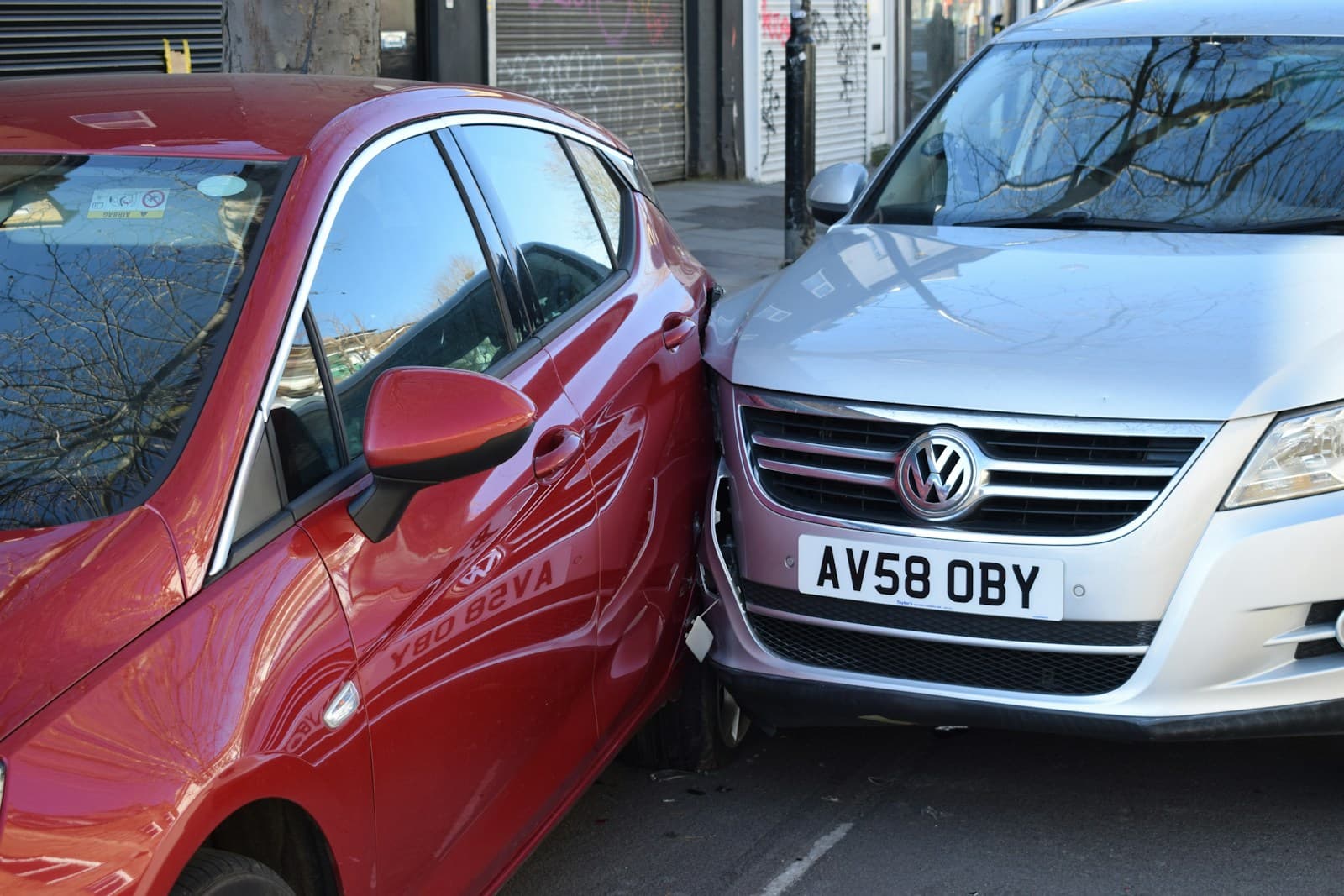
Collision coverage pays the actual cash value of your vehicle minus your deductible when you cause an accident. If you total a $12,000 car with a $1,000 deductible, collision pays $11,000 and you keep driving without a coverage lapse. Your SR-22 filing continues uninterrupted. Your 3-year clock keeps running. The at-fault accident adds a surcharge to your renewal premium, but it does not restart your SR-22 requirement or trigger re-suspension.
Comprehensive coverage costs $30–$60/mo and protects against non-collision loss. New Jersey has moderate vehicle theft rates in urban counties — Essex, Hudson, Camden. If your car is stolen and you carry only liability, you lose transportation and face the same SR-26 dilemma. Comprehensive pays replacement value and keeps your policy active.
How to Calculate Your Real Monthly Cost Difference
Liability-only SR-22 premiums in New Jersey average $100–$180/mo for first-offense DUI. Full coverage averages $280–$450/mo. The monthly difference is $130–$270. Multiply by 36 months and total savings from liability-only is $4,680–$9,720 over your filing period.
That savings assumes zero at-fault accidents and zero vehicle loss during 3 years. One totaled vehicle costing $8,000 to replace out-of-pocket erases the entire savings and breaks SR-22 continuity if you cannot pay immediately. Add the cost of reinstatement fees ($100 restoration fee plus $200 SR-22 re-filing surcharge in New Jersey) and you exceed the cost of carrying full coverage from day one.
Run the calculation using your actual vehicle value and your ability to self-fund replacement. If your car is worth less than $3,000 and you have $3,000 liquid savings dedicated to this risk, liability-only becomes defensible. If your car is worth $8,000 and you have no replacement fund, liability-only is a continuity gamble that restarts your SR-22 clock if you lose.
When Liability-Only Makes Sense for New Jersey DUI-SR-22 Filers
Liability-only works if you own a vehicle worth under $3,000, have cash reserves equal to replacement cost, drive under 5,000 miles per year, and have access to alternative transportation during a loss event. It also works if you are filing SR-22 on a non-owner policy because you do not own a vehicle — non-owner SR-22 is liability-only by definition and costs $40–$80/mo in New Jersey.
Liability-only also works for the final 6–12 months of your SR-22 period if your vehicle has depreciated below $2,500 and you have already completed 24+ months without incident. Switching from full coverage to liability-only during the final year saves $150–$200/mo with reduced continuity risk because your filing end date is visible and your driving record shows compliance stability.
Carriers writing liability-only SR-22 in New Jersey include The General, Direct Auto, and GAINSCO. Coverage is identical to full-coverage policies in every respect except collision and comprehensive. Your SR-22 certificate filed with the NJ MVC is the same form regardless of coverage level selected.
When Full Coverage Is Required or Strongly Recommended
Full coverage is legally required if you finance or lease your vehicle. Lenders mandate collision and comprehensive as loan conditions. If you drop to liability-only while carrying a loan, your lender will force-place coverage at 2–3 times market cost and add it to your loan balance. You cannot legally carry liability-only SR-22 on a financed vehicle in New Jersey.
Full coverage is strongly recommended if your vehicle is worth more than $5,000, you drive more than 10,000 miles per year, you have repeat-offense DUI or aggravated conviction with IID requirement, or you cannot self-fund vehicle replacement without dropping coverage. New Jersey urban commute density and winter weather increase at-fault accident probability — collision coverage converts that risk into a predictable deductible payment instead of a filing-continuity crisis.
Carriers writing full-coverage SR-22 for New Jersey DUI filers include Bristol West, Dairyland, and Progressive (existing customers only — Progressive does not write new DUI business). Expect 6-month policy terms, monthly payment plans with $30–$50 installment fees, and renewal rate increases of 10–20% annually until your SR-22 period ends and conviction surcharges roll off.
How to Switch Coverage Levels During Your SR-22 Period
You can switch from liability-only to full coverage or full coverage to liability-only at any point during your SR-22 period without affecting your filing status. Contact your carrier, request the coverage change, and confirm they will maintain continuous SR-22 filing with the NJ MVC. No new SR-22 certificate is required when changing coverage levels with the same carrier.
If you switch carriers mid-period, your new carrier files a new SR-22 certificate and your old carrier files an SR-26 termination notice. The NJ MVC requires zero-day overlap — your new policy effective date must match or precede your old policy termination date. Any gap triggers automatic suspension. Coordinate effective dates with both carriers before canceling your old policy.
Switching from liability-only to full coverage mid-period makes sense if your vehicle value increases (you buy a newer car), your income improves and you can afford higher premium, or you approach the final 12 months of your filing period and want maximum protection during the finish. Switching from full coverage to liability-only makes sense only if your vehicle depreciates below $2,500 or you transition to a non-owner policy because you no longer own a car.