Delaware non-standard carriers price DUI-SR-22 policies using a violation class multiplier, not your prior premium — which means your rate is built from scratch based on conviction type and filing period length.
Non-Standard Carriers Build Your Rate From Scratch, Not From Your Old Premium
When you call a non-standard carrier for a DUI-SR-22 quote in Delaware, they do not take your previous premium and multiply it by a percentage. They assign you to a risk class built specifically for DUI convictions, then price that class based on your conviction details: standard DUI, aggravated DUI (BAC above .15, minor in vehicle, or property damage), or refusal. Your old rate is irrelevant.
Delaware requires SR-22 filing for 3 years from your reinstatement date after a DUI conviction. Non-standard carriers adjust pricing based on where you are in that 3-year window. Year one after reinstatement typically sees the highest premiums because you are still within the conviction's acute risk period. Year two and three rates drop incrementally if you maintain continuous coverage and avoid new violations.
Most competing insurance content tells you to expect a 70-130% rate increase after a DUI. That figure applies to standard-market carriers renewing existing customers post-conviction. Non-standard carriers operate differently — they start from a base rate for DUI-SR-22 policies, not from your prior clean-record rate. This is why two Delaware drivers with identical prior premiums can receive wildly different non-standard quotes after a DUI.
Delaware DUI Conviction Class Determines Your Base Risk Tier
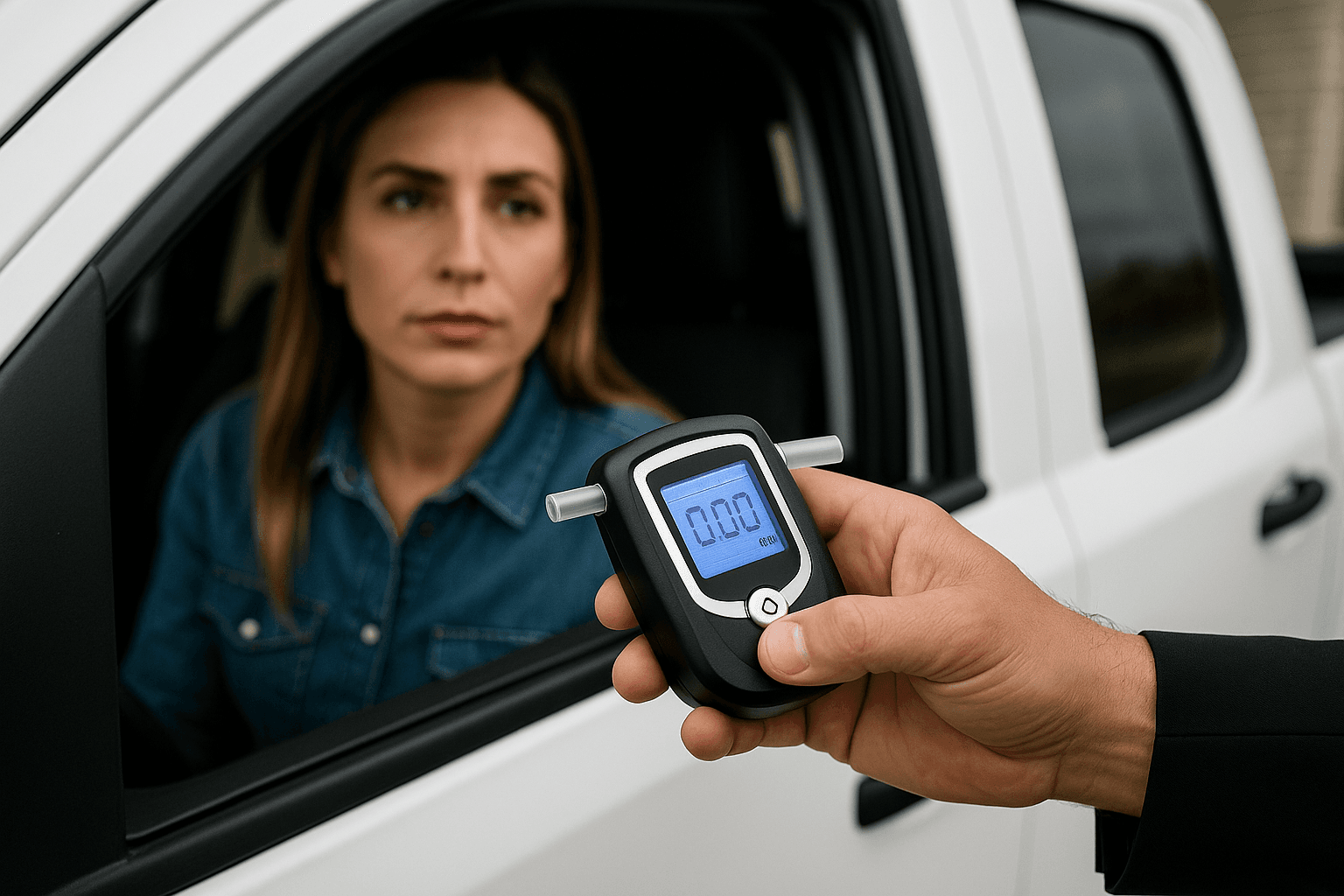
Delaware non-standard carriers segment DUI convictions into pricing tiers. A first-offense standard DUI (BAC .08–.149, no aggravating factors) lands you in the lowest DUI risk tier. An aggravated DUI (BAC .15 or higher, accident with injury, or minor passenger) moves you to a higher tier with steeper base rates. A second DUI within 10 years triggers the highest tier, and some non-standard carriers will not write you at all.
Carriers like Bristol West, Dairyland, GAINSCO, and The General operate in Delaware and accept first-offense DUI-SR-22 applicants. Repeat-offense or felony DUI convictions narrow your options significantly — The General and GAINSCO write more repeat-offense policies than Bristol West or Dairyland. Safe Auto and Direct Auto also write Delaware DUI policies but tier pricing more aggressively for aggravated convictions.
Your BAC level at arrest directly impacts which tier you enter. A .09 BAC standard DUI qualifies for lower-tier pricing at most non-standard carriers. A .18 BAC aggravated DUI does not. The difference between those two tiers can mean $80–$150 more per month for the same liability limits and SR-22 filing.
Find out exactly how long SR-22 is required in your state
SR-22 Filing Period Length Affects Multi-Year Policy Pricing
Delaware's 3-year SR-22 filing requirement starts the day your license is reinstated, not the day you are convicted or the day you purchase insurance. Non-standard carriers price policies knowing you must maintain SR-22 for the full 36 months. If you are quoting insurance 6 months after reinstatement, you have 30 months of required filing remaining — carriers factor that duration into pricing.
Some non-standard carriers offer slight rate reductions at the 12-month and 24-month marks if you have maintained continuous coverage without lapses or new violations. This is not automatic. You must ask for re-rating or shop your policy at renewal. Carriers do not proactively lower your rate just because time has passed.
If your SR-22 filing lapses for any reason — missed payment, cancelled policy, failure to renew — Delaware DMV suspends your license immediately and restarts your 3-year filing clock from zero. Non-standard carriers treat a lapse as a new violation when re-pricing your policy. Your rate after a lapse will be higher than your rate before the lapse, even if no new DUI occurred.
Delaware Liability Minimums and How Non-Standard Carriers Price Them
Delaware requires 25/50/10 liability coverage: $25,000 per person for bodily injury, $50,000 per accident for bodily injury, and $10,000 for property damage. Non-standard carriers will quote you these minimum limits, but many tier their DUI-SR-22 pricing to encourage higher limits. A 50/100/25 policy at a non-standard carrier may cost only $15–$30 more per month than minimum limits, and some underwriters view higher-limit selection as a risk-mitigating behavior.
Most Delaware DUI-SR-22 drivers choose minimum limits to reduce monthly cost. That decision makes sense if you are managing court fees, IID lease payments, and DUI education costs simultaneously. Just understand that minimum limits leave you personally liable for damages exceeding those caps. A single at-fault accident with $40,000 in medical bills means you owe $15,000 out of pocket after your policy pays its $25,000 limit.
Uninsured motorist coverage is not required in Delaware, but non-standard carriers offer it as an add-on. For DUI-SR-22 drivers, UM coverage costs $8–$18/mo and protects you if you are hit by an uninsured driver. Delaware has an estimated 8-10% uninsured driver rate. If another driver causes an accident and has no insurance, your UM coverage pays your medical bills and lost wages up to your selected limits.
How to Compare Non-Standard Carrier Quotes After a Delaware DUI
Request quotes from at least three non-standard carriers that write Delaware DUI-SR-22 policies. Do not assume the carrier that gave you the best rate before your DUI will remain cheapest afterward — standard-market carriers either non-renew you or move you into assigned-risk pools with significantly higher pricing. Non-standard carriers compete specifically for DUI business and often deliver lower rates than assigned-risk.
When comparing quotes, confirm each carrier has filed your SR-22 with Delaware DMV directly. Some carriers quote you a policy price but charge a separate $25–$50 SR-22 filing fee. That fee is one-time, not monthly, but it affects your first payment. Ask every carrier whether SR-22 filing is included in the quoted premium or billed separately.
Payment plan structure varies widely among non-standard carriers. Some require 20-25% down and spread the remaining balance over 5-6 months. Others allow monthly payments with as little as one month down. The lowest-premium carrier may not offer the most flexible payment terms. If you are managing multiple DUI-related expenses, payment flexibility may matter more than a $15/mo rate difference.
Typical Monthly Premium Ranges for Delaware DUI-SR-22 Policies
First-offense standard DUI drivers in Delaware typically pay $180–$280/mo for minimum liability coverage with SR-22 filing at non-standard carriers. That range reflects variation by age, county, vehicle type, and how far past reinstatement you are. Drivers under 25 or over 65 trend toward the higher end. Drivers in New Castle County near Wilmington pay more than drivers in Sussex County due to accident frequency and theft rates.
Aggravated DUI or second-offense DUI premiums run $280–$450/mo for the same minimum liability limits. Some non-standard carriers will not write second-offense policies in Delaware at all, which narrows your options and reduces competitive pricing pressure. If only two carriers will quote you, expect less rate variation between them.
Estimates based on available industry data; individual rates vary by driving history, vehicle, coverage selections, and location. Your actual premium depends on conviction class, time since reinstatement, filing period remaining, and carrier-specific underwriting rules as of current Delaware DMV and insurance regulations.