Vermont requires SR-22 filing but not full coverage — you can legally drop collision and comprehensive to lower your premium, but only if you own your vehicle outright and understand the risk you're taking on.
Vermont SR-22 Requires Only Liability Coverage — Full Coverage Is Optional
Vermont's SR-22 requirement mandates proof of liability insurance only: 25/50/10 minimum limits. The state does not require collision or comprehensive coverage to satisfy SR-22 filing after a DUI. If you own your vehicle outright with no lien or loan, you can legally drop full coverage and maintain only liability plus SR-22.
The confusion comes from carrier and lender requirements, not state law. If you financed your car, your lender requires full coverage as a loan condition — that's a contract obligation, not a Vermont DMV rule. If you lease, full coverage is non-negotiable. But if the title is in your name alone with no lienholder, Vermont gives you the choice.
Dropping to liability-only after a DUI typically cuts your premium by 40–60%, depending on your vehicle's value and your age. A 32-year-old in Burlington paying $280/month for full coverage post-DUI might drop to $110/month with liability-only SR-22. That's real breathing room when you're managing court costs, reinstatement fees, and a three-year filing period.
What You Lose When You Drop Full Coverage
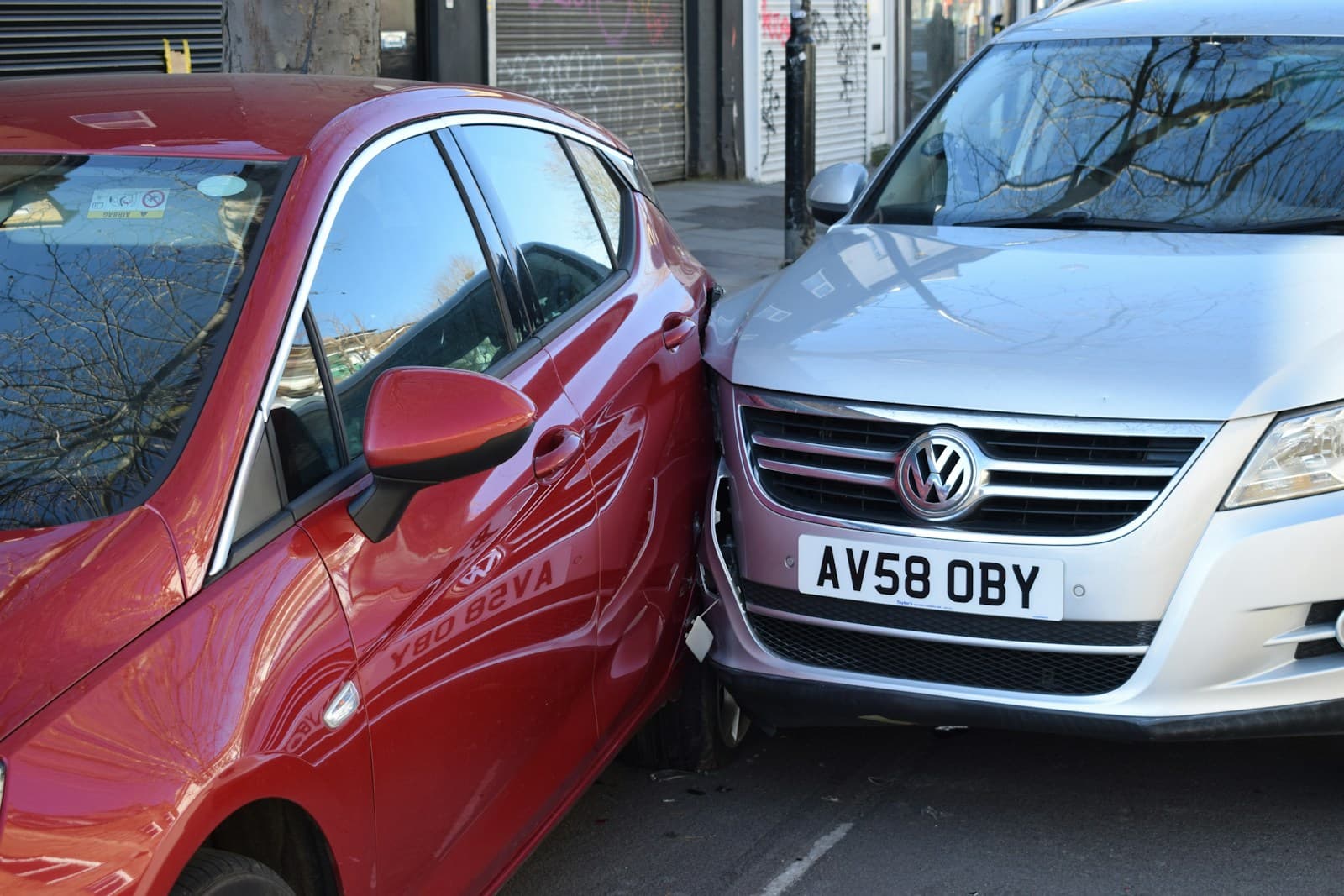
Collision coverage pays to repair your car after an at-fault accident. Comprehensive pays for theft, vandalism, weather damage, and animal strikes. Drop both, and you're self-insuring those risks. If you total your car in a single-vehicle crash or someone steals it, you receive nothing from your insurer.
Vermont is a fault state, so if another driver causes a crash, their liability coverage should pay for your vehicle damage. But if they're uninsured or underinsured — and Vermont's uninsured motorist rate sits near 9% — you'll file a claim under your own uninsured motorist property damage coverage, assuming you kept it. If you dropped that too, you're out of pocket.
The math changes based on vehicle value. If your car is worth $3,500 and full coverage costs an extra $1,800/year, you're paying more than half the car's value annually to insure it. If it's worth $18,000 and you drive I-89 in winter conditions daily, dropping collision is a bigger gamble.
Find out exactly how long SR-22 is required in your state
How Carriers Respond to Liability-Only Requests After a DUI
Most non-standard carriers will write liability-only SR-22 policies for DUI drivers in Vermont — Direct Auto, Dairyland, The General, and GAINSCO all offer it. You'll pay higher liability premiums than a clean-record driver, but nowhere near full-coverage rates. Expect liability-only premiums between $95–$160/month depending on your age, county, and whether this is your first or repeat DUI.
Some carriers push back by requiring higher liability limits if you drop physical damage coverage. They'll ask for 50/100/25 instead of state minimums to reduce their own exposure on a DUI-risk driver. That raises your premium slightly but still costs far less than keeping collision and comprehensive.
If your current carrier filed your SR-22 and you've been with them since before the DUI, call before you drop coverage. Some will allow a mid-term reduction to liability-only. Others consider it a policy change that triggers re-underwriting, and they may non-renew you at that point rather than continue covering a higher-risk driver on minimal coverage.
Lienholders Will Force-Place Coverage If You Drop Without Permission
If you financed or leased your vehicle, your contract requires continuous full coverage. Drop it without paying off the loan, and your lender receives a lapse notice within 10–15 days. They will force-place collateral protection insurance on your vehicle and bill you for it — typically at 2–3 times the cost of a standard policy, with coverage that protects the lender's interest only, not yours.
Force-placed insurance does not satisfy your SR-22 requirement because it's not a policy in your name with liability coverage. Vermont DMV will show your SR-22 as lapsed, which suspends your license again and resets your three-year SR-22 clock to zero from the new reinstatement date.
If you want to drop full coverage on a financed car, pay off the loan first or refinance the remaining balance as an unsecured personal loan. Only then does the title transfer fully to your name, releasing you from the lender's coverage requirements. That path makes sense if your loan balance is low and your full-coverage premium is crushing your budget.
Vermont's Three-Year SR-22 Period Runs From Your Reinstatement Date
Vermont requires SR-22 filing for three years after a DUI conviction, measured from your license reinstatement date — not your conviction date or suspension start date. If your license was suspended for 90 days and you reinstated on March 1, 2025, your SR-22 obligation ends March 1, 2028, assuming no lapses.
Any lapse in SR-22 coverage during that period — even one day — resets the clock. If you drop full coverage, let your liability policy lapse by missing a payment, or your carrier cancels you for non-payment, Vermont DMV receives a cancellation notice and suspends your license immediately. Your new three-year SR-22 period starts from the date you reinstate again, and you'll pay a second reinstatement fee of $295.
Most DUI drivers in Vermont maintain SR-22 coverage for the full three years without incident if they set up automatic payments and avoid switching carriers unnecessarily. Dropping to liability-only does not increase your lapse risk if you keep paying your premium on time — the SR-22 filing itself remains active as long as any qualifying policy stays in force.
Compare Liability-Only Quotes From Multiple Non-Standard Carriers
Non-standard carrier pricing varies widely for DUI SR-22 policies in Vermont. Direct Auto may quote you $105/month for liability-only SR-22 while The General quotes $155 for identical coverage. Both file SR-22 electronically to Vermont DMV within 24 hours, both meet state requirements, but the premium difference over three years is $1,800.
Request quotes with Vermont's minimum liability limits (25/50/10) and again with 50/100/25 or 100/300/50 if you own assets worth protecting. Higher limits cost more but matter if you cause a serious injury crash — Vermont allows injured parties to sue you personally for damages exceeding your liability coverage, and a DUI on your record makes you a more attractive lawsuit target.
Some drivers split the difference: drop collision but keep comprehensive. Comprehensive-only coverage in Vermont costs $20–$45/month depending on your vehicle and deductible. It won't pay for at-fault crash damage, but it covers theft, broken windshields from winter road debris, and deer strikes — all common in Vermont. That middle option cuts your premium significantly while maintaining some physical damage protection.
When Keeping Full Coverage Makes More Sense
If your vehicle is worth more than $12,000, you drive year-round in winter conditions, or you cannot afford to replace it out of pocket, keeping full coverage is the safer financial choice. Saving $1,400/year on premiums doesn't help if a black-ice crash on Route 7 totals your $16,000 car and leaves you with no transportation and no claim payout.
Drivers with repeat DUI convictions face longer SR-22 periods and higher baseline risk. If this is your second DUI in Vermont, your SR-22 requirement may extend beyond three years depending on your sentencing terms, and your carrier options narrow significantly. Keeping full coverage can make you more attractive to underwriters willing to write repeat-offense DUI policies, even if it costs more monthly.
If you're on a payment plan for court fines, IID installation costs, or DUI education programs, adding a totaled vehicle and no insurance payout to that financial load can spiral quickly. Run the math for your specific situation: monthly premium savings versus vehicle replacement cost and your actual ability to absorb a total loss. The answer isn't the same for every DUI driver in Vermont.