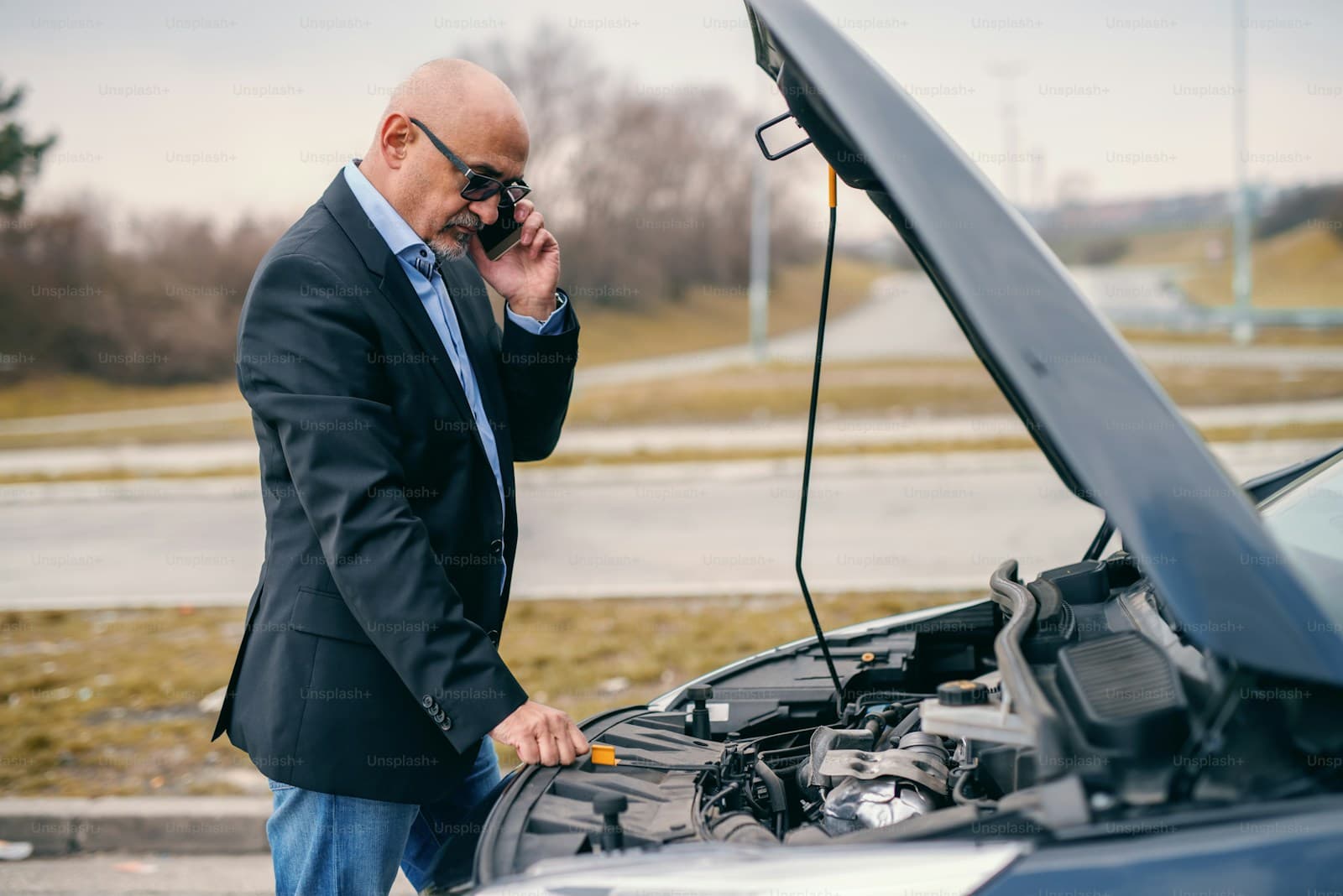
State Farm, Geico, and Allstate routinely non-renew South Carolina DUI policies at term—even when you've filed SR-22 and paid every premium. Here's why it happens and which carriers actually write post-DUI coverage.
South Carolina Carriers Can Write DUI Policies—They Choose Not To
South Carolina law does not prohibit State Farm, Geico, Allstate, or Progressive from insuring drivers with DUI convictions. The state requires SR-22 filing for three years after a DUI, but carriers decide independently whether to accept that risk. Nearly every major carrier operating in South Carolina maintains internal underwriting guidelines that classify DUI convictions as unacceptable risk, triggering automatic non-renewal at your next policy term—typically six or twelve months after your conviction.
You'll receive a non-renewal notice 30 to 60 days before your term ends, citing "underwriting guidelines" or "risk classification." The carrier fulfilled its SR-22 filing obligation and collected premiums through your term. After that, state law allows them to non-renew for any reason not explicitly prohibited by South Carolina insurance code. DUI is not a protected class.
This creates a gap most drivers don't anticipate: you secured SR-22 filing immediately after your conviction, maintained continuous coverage, paid higher premiums, and assumed you'd stay with your carrier for the full three-year filing period. The non-renewal notice arrives eight months later, and you're shopping the non-standard market with two months to find new coverage before your policy expires and your SR-22 lapses.
Why Mainstream Carriers Non-Renew After Filing Your SR-22
State Farm, Geico, Allstate, and Progressive will file SR-22 for existing customers who receive a DUI conviction. They submit the certificate to the South Carolina DMV, fulfill their legal obligation, and continue your policy through the current term. This is not the same as agreeing to insure you long-term.
Major carriers operate tiered risk pools. Standard and preferred tiers generate profitable loss ratios—claims paid out remain predictably lower than premiums collected. DUI convictions statistically increase claim frequency and severity. A first-offense DUI in South Carolina typically triggers a 70% to 110% rate increase, but even at that higher premium, actuarial models show DUI drivers still produce loss ratios outside the carrier's acceptable range for standard-tier policies.
Carriers face a choice: move you to a high-risk tier with higher premiums, or exit the relationship entirely. Most choose non-renewal because managing a high-risk tier requires specialized claims handling, different reinsurance arrangements, and regulatory filings in each state. Non-standard carriers like The General, Dairyland, and Bristol West build their entire business model around this risk profile. State Farm does not.
South Carolina does not require carriers to offer renewal to DUI drivers. The South Carolina Department of Insurance allows non-renewal for "material change in risk," and a DUI conviction qualifies. Your carrier files your SR-22, collects premiums through your term, and issues a non-renewal notice citing underwriting guidelines. You're legally compliant until that notice converts to a lapsed SR-22 because you didn't secure replacement coverage in time.
Find out exactly how long SR-22 is required in your state
Non-Renewal Timing and the SR-22 Lapse Risk
South Carolina measures your three-year SR-22 filing period from your conviction date, not your reinstatement date or the date your carrier filed the certificate. If you were convicted on June 1, 2024, your SR-22 requirement ends June 1, 2027—even if your license wasn't reinstated until August 2024.
Most drivers receive their DUI conviction, pay reinstatement fees, contact their current carrier, and secure SR-22 filing within 30 to 60 days. Your carrier issues a policy term—six months or twelve months depending on your state and policy structure—and files the SR-22 with the DMV. You're compliant. Your carrier then reviews your policy at renewal and applies internal underwriting rules. For DUI convictions, that review typically results in a non-renewal notice mailed 30 to 60 days before your term ends.
If your conviction occurred in June and your policy term ends in April of the following year, you'll receive your non-renewal notice in February or March—eight to ten months into your three-year SR-22 requirement. You now have 30 to 60 days to secure replacement coverage, and that replacement policy must include SR-22 filing. If your current policy expires and you haven't secured a new SR-22 policy, the South Carolina DMV receives a lapse notice from your previous carrier. Your three-year clock resets to zero, and your license is suspended again.
Which Carriers Actually Write New DUI Policies in South Carolina
Non-standard carriers operating in South Carolina specialize in post-DUI coverage and will write new policies with SR-22 filing after a conviction. The General, Dairyland, Bristol West, GAINSCO, Direct Auto, and Safe Auto all operate in South Carolina and accept DUI drivers as new customers. Acceptance Insurance and Kemper also write high-risk policies depending on conviction class and driving history.
Rates vary significantly by carrier and conviction details. A first-offense DUI with no aggravating factors—BAC under 0.15%, no minor in the vehicle, no accident—typically produces monthly premiums between $180 and $280 for minimum liability coverage with SR-22 filing. Aggravated DUI (BAC over 0.15%, minor in vehicle, injury, or property damage) or repeat-offense DUI pushes monthly premiums to $250 to $400 or higher. Estimates based on available industry data; individual rates vary by driving history, vehicle, coverage selections, and location.
Availability differs by county. The General and Dairyland operate statewide. Bristol West and GAINSCO have stronger presence in urban counties—Greenville, Richland, Charleston, Spartanburg. Direct Auto operates storefronts in Columbia, Charleston, and Greenville but writes policies statewide. Safe Auto and Acceptance write selectively and may decline coverage for repeat-offense DUI or stacked violations.
You'll need to shop multiple carriers. A non-standard carrier that quotes $320/month for one driver may quote $210/month for another with identical conviction class but different vehicle, ZIP code, or credit profile. South Carolina allows credit-based insurance scoring, and non-standard carriers weigh that factor heavily.
What Happens If You Don't Secure Replacement Coverage in Time
South Carolina law requires continuous SR-22 filing for three years. If your current carrier non-renews your policy and you don't secure a replacement policy with SR-22 filing before your term ends, your SR-22 lapses. The outgoing carrier files an SR-26 form with the South Carolina DMV notifying them that SR-22 coverage has ended. The DMV suspends your license immediately.
Reinstating after an SR-22 lapse requires paying a $100 reinstatement fee, securing a new SR-22 policy, and filing proof of insurance with the DMV. Your three-year SR-22 requirement resets to zero from the new reinstatement date—even if you were 18 months into your original three-year period. A one-day lapse produces the same penalty as a 90-day lapse.
Carriers treat SR-22 lapses as a separate underwriting factor. If you're shopping for coverage after a lapse, non-standard carriers will still write you, but expect higher premiums. A lapse signals compliance risk, and carriers price that into the quote. The same driver who would have paid $210/month without a lapse may now pay $270/month with one.
South Carolina does not offer a grace period for SR-22 lapses caused by non-renewal. The statute treats lapse as lapse regardless of cause. Start shopping for replacement coverage the day you receive a non-renewal notice—not two weeks before your policy expires.
How to Avoid Non-Renewal Gaps After a DUI Conviction
Request your current carrier's DUI policy in writing within 30 days of your conviction. Most carriers send policy renewal terms by mail 45 to 60 days before each term ends, but DUI triggers immediate underwriting review at some carriers. Call your agent or the carrier's underwriting department and ask directly: "Will you renew my policy after this conviction, and for how many terms?" Document the answer.
If your carrier confirms non-renewal or declines to commit to renewal, begin shopping non-standard carriers immediately. You don't need to wait for the non-renewal notice to arrive. Secure quotes from The General, Dairyland, Bristol West, and GAINSCO while your current policy is still active. Compare monthly premiums, coverage limits, and payment plan terms. Non-standard carriers often require down payments between 20% and 35% of the six-month premium, and some charge installment fees for monthly payment plans.
Bind your replacement policy to start the day after your current policy expires—not the same day, and not a week later. Your new carrier will file the SR-22 with the South Carolina DMV when the policy becomes active. Your old carrier will file the SR-26 cancellation form when their policy ends. If those two filings happen on consecutive days with no gap, your SR-22 remains continuous and your license remains valid.
Set a calendar reminder for 90 days before each policy renewal for the next three years. Even if your non-standard carrier renews your policy, review your rate annually. Non-standard carriers often reduce premiums after 12 or 24 months of claims-free driving, but they rarely apply that reduction automatically—you have to request a re-quote.