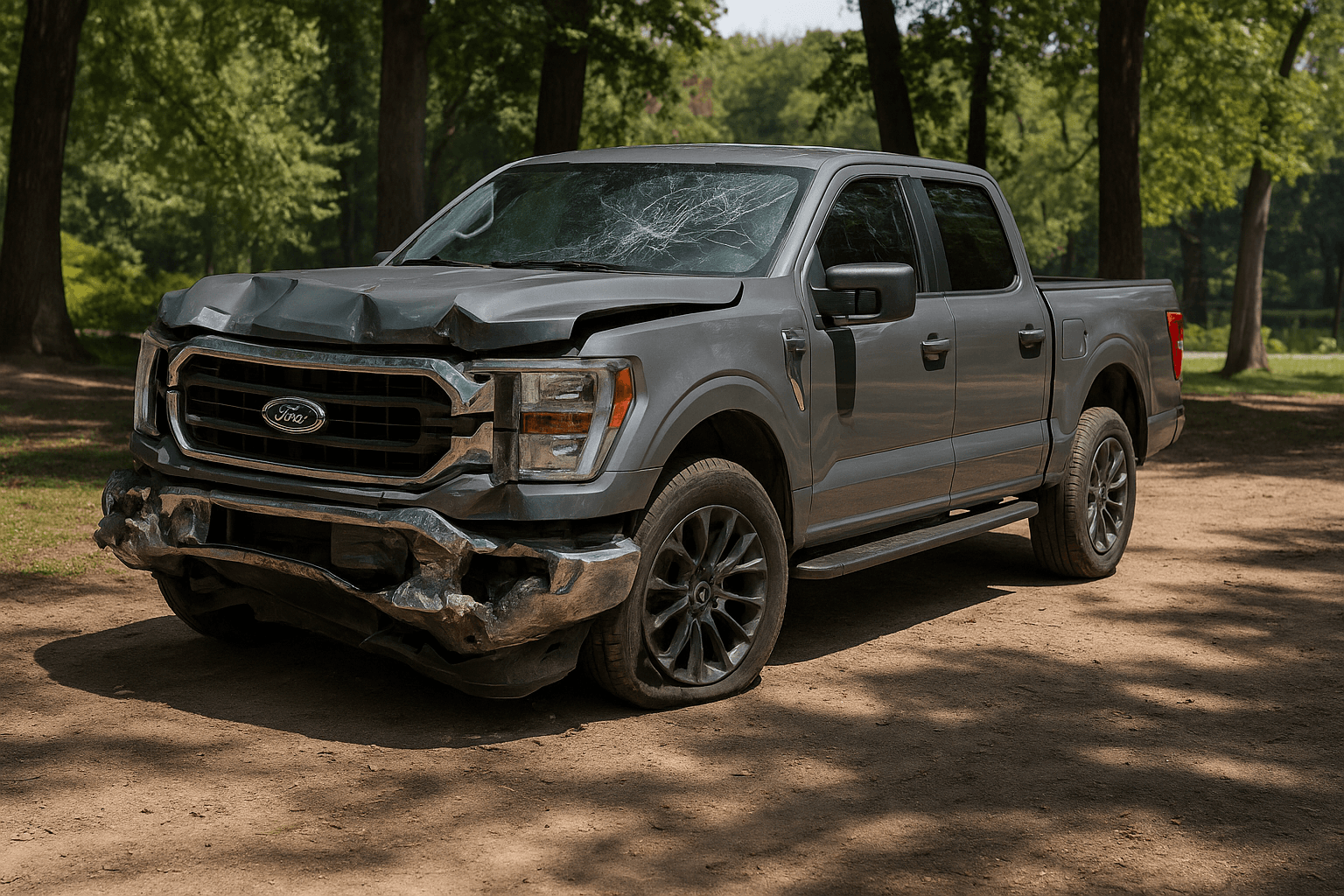
Oregon lenders require you to carry full coverage with SR-22 filing as long as you have a loan. Missing either triggers default and repossession.
Your Lender Receives Automatic Notice When SR-22 Lapses
Oregon's DMV electronically notifies your lienholder within 24-48 hours of any SR-22 cancellation or coverage lapse. This system runs independently of your insurance company — the state itself confirms your continuous compliance to the lender listed on your vehicle registration.
Most auto lenders require uninterrupted SR-22 filing and full coverage (comprehensive plus collision) for the entire loan term after a DUI. The loan agreement gives them this right through the collateral protection clause. If the DMV reports a lapse, your lender typically sends a 10-day notice before purchasing force-placed insurance on your behalf.
Force-placed policies cost $150-$300 per month and provide only the minimum protection the lender needs — not liability coverage for you. The lender adds this cost to your loan balance. For a driver already paying $180-$250/month for DUI-SR-22 coverage, an additional force-placed premium creates an impossible payment stack that ends in repossession.
Full Coverage Means Comprehensive and Collision, Not Just Higher Liability Limits
Oregon lenders define full coverage as liability at state minimums or higher, plus comprehensive and collision with a deductible typically capped at $1,000. Liability-only SR-22 policies satisfy the DMV but violate your loan agreement.
After a DUI, comprehensive and collision premiums increase 40-80% beyond the base rate hike. A $140/month liability-only SR-22 policy becomes $220-$280/month with full coverage added. Most non-standard carriers writing DUI-SR-22 business in Oregon — Bristol West, Dairyland, The General, GAINSCO — offer both options, but only full coverage satisfies your lender.
Some drivers attempt to carry liability-only to reduce costs, assuming the lender won't notice until renewal. Oregon's electronic verification system reports your exact coverage types to the lienholder monthly. The lapse notice arrives within 30 days, not at your next renewal.
Find out exactly how long SR-22 is required in your state
Oregon Requires SR-22 Filing for One Year After License Reinstatement
Oregon mandates SR-22 filing for one year following a first-offense DUI conviction, measured from your license reinstatement date — not your conviction date or suspension start date. Your lender, however, requires full coverage for the entire loan term regardless of when your SR-22 obligation ends.
This creates a coverage gap most drivers miss: your SR-22 requirement may end 12-18 months after conviction, but your loan agreement keeps the full coverage mandate in place for another 2-5 years depending on loan length. Once SR-22 filing ends, you can drop to liability-only for state compliance, but your lender still prohibits it.
If you drop to liability-only after your SR-22 period ends without refinancing or paying off the loan, the lender invokes the same force-placed insurance process. The only way to eliminate the full coverage requirement is to satisfy the loan completely or refinance with a lender that accepts liability-only coverage — difficult to find with a recent DUI on record.
Refinancing After DUI Rarely Improves Your Coverage Requirements
Most Oregon lenders tighten loan terms for borrowers with DUI convictions rather than relax coverage mandates. Refinancing during your SR-22 filing period typically requires full coverage, SR-22 filing proof, and a higher interest rate — 6-11% APR compared to 4-7% for clean-record borrowers.
Credit unions in Oregon occasionally offer post-DUI refinancing with reduced coverage requirements after 12-18 months of clean driving and on-time payments. These arrangements still require continuous liability coverage and SR-22 compliance during the state-mandated period, but may allow you to drop comprehensive and collision once SR-22 filing ends and the loan balance drops below 80% of vehicle value.
The cost-benefit calculation rarely justifies refinancing solely to drop full coverage. Refinancing fees range from $300-$800, and the interest rate increase over a 48-month term typically costs more than maintaining collision and comprehensive through your original loan.
Selling or Trading the Vehicle Requires Loan Payoff or Lender Approval
Oregon lienholders hold the vehicle title until you satisfy the loan completely. Selling or trading a financed vehicle with an active DUI-SR-22 requirement means the sale proceeds must cover your remaining loan balance, or you must bring cash to close the gap.
If your vehicle value dropped below your loan balance — common with high-interest DUI-era financing — you cannot trade or sell without lender permission to carry the deficiency into a new loan. Most dealers and lenders refuse this arrangement for DUI borrowers, leaving you locked into the original loan and full coverage mandate.
Some drivers consider voluntary surrender to escape the insurance cost burden. Voluntary surrender in Oregon still counts as repossession, damages your credit identically, and leaves you liable for the deficiency balance after the lender auctions the vehicle. The lender will sue for the difference, and you still need SR-22 filing on a new policy — now without a vehicle.
Non-Standard Carriers Writing Full Coverage SR-22 in Oregon
Most mainstream carriers — State Farm, Geico, Allstate, Progressive — will file SR-22 for existing Oregon customers after a DUI but non-renew the policy at term. New DUI-SR-22 policies with full coverage typically require the non-standard market.
Bristol West, Dairyland, and GAINSCO write the majority of Oregon DUI-SR-22 full coverage policies. Monthly premiums range from $210-$340 depending on vehicle value, deductible selection, conviction class (standard DUI versus aggravated DUI with BAC above 0.15%), and county. Portland-area drivers pay 15-25% more than rural Oregon counties due to theft rates and collision frequency.
The General and Direct Auto also write Oregon DUI-SR-22 business but often require higher deductibles — $1,500-$2,500 — making them cost-competitive only for older vehicles where collision coverage provides minimal value. Compare actual full coverage quotes across at least three non-standard carriers before committing.