Your lender doesn't care about your SR-22 filing — they care about protecting their collateral. If your carrier cancels after a DUI, you have 30 days to replace comprehensive and collision coverage before the lender force-places insurance at 3-5x your quoted rate.
Your lender's coverage requirements don't change after a DUI — but your ability to meet them does
Michigan lenders require continuous comprehensive and collision coverage on financed vehicles, with the lender listed as loss payee on the declarations page. That requirement stays identical whether you have a clean record or a DUI conviction. What changes is carrier willingness to write you that coverage.
Most mainstream carriers — State Farm, Geico, Allstate, Progressive — will file SR-22 for existing customers after a DUI but non-renew the policy at the end of the current term. That gives you 30 to 180 days depending on where you are in your policy cycle. If you're financing a vehicle, you cannot drop to liability-only during that window. Your loan contract requires full coverage until the vehicle is paid off.
The collision point happens when your current carrier sends the non-renewal notice. You must secure replacement coverage from a non-standard carrier that will both file your Michigan SR-22 AND provide the comprehensive and collision coverage your lender requires. Miss that transition by even one day and your lender will force-place insurance at $200-$400 per month, billed directly to your loan balance.
What comprehensive and collision coverage actually protects
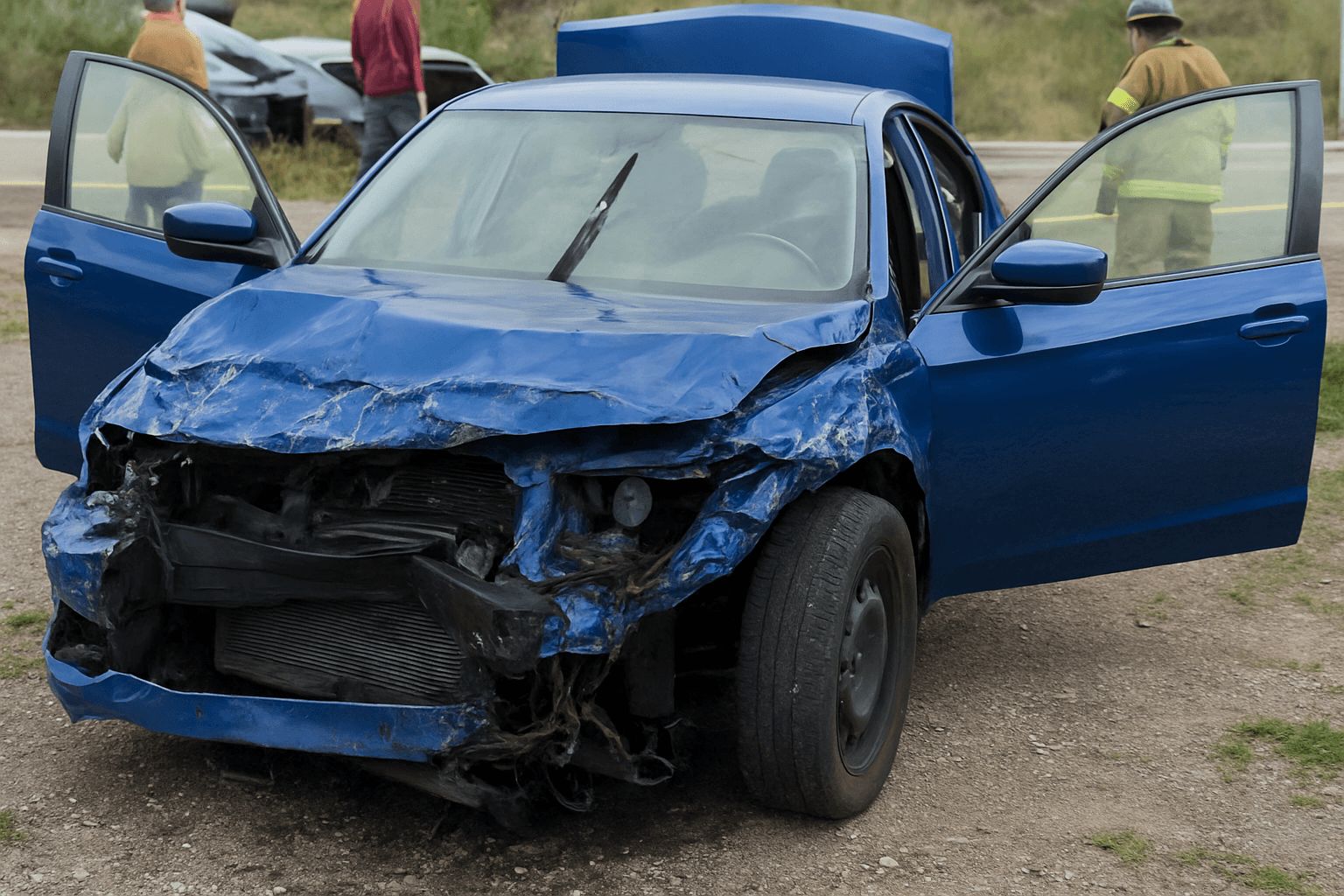
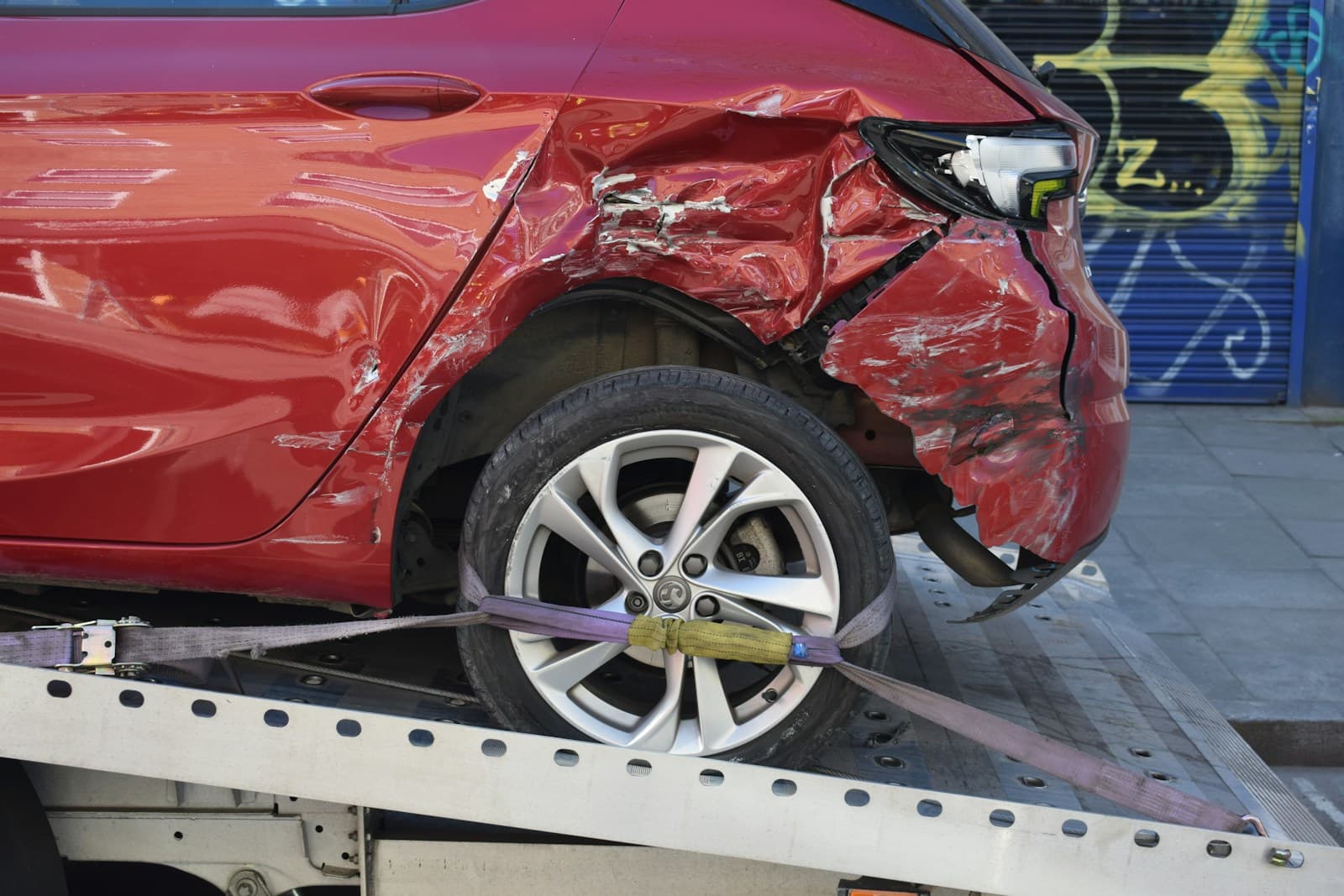
Comprehensive coverage pays for damage to your vehicle from non-collision events: theft, vandalism, fire, hail, hitting a deer, broken glass. Collision coverage pays for damage when your vehicle hits another vehicle or object, or rolls over — regardless of fault. Michigan lenders require both because they hold the title until you pay off the loan. If the vehicle is totaled and you only carry liability, the lender loses their collateral.
Your SR-22 filing proves you carry Michigan's minimum liability coverage — $50,000 bodily injury per person, $100,000 per accident, $10,000 property damage. SR-22 does not prove you carry comprehensive or collision. That's why lenders require separate proof: they want to see a declarations page listing them as loss payee under both coverages.
Non-standard carriers writing DUI drivers in Michigan — Bristol West, Dairyland, Direct Auto, GAINSCO, The General — all offer comprehensive and collision coverage. Rates run 40-80% higher than standard-market equivalents, but they will add your lender as loss payee and satisfy the loan contract.
Find out exactly how long SR-22 is required in your state
How lender notification works when you switch carriers after a DUI
When you bind a new policy with a non-standard carrier, you provide your lender's name and loan account number during the quoting process. The carrier adds the lender as loss payee and sends a declarations page directly to the lender's insurance tracking department within 3-5 business days. Most lenders require this notice within 30 days of your prior policy's cancellation or non-renewal date.
If the lender does not receive proof of replacement coverage within that 30-day window, they will force-place collateral protection insurance. This coverage protects only the lender's interest — not your liability, not your medical expenses, not your personal property. It costs $150-$400 per month and is billed to your loan principal, increasing your monthly payment and extending your loan term.
You can avoid force-placement by binding your non-standard policy at least 10 days before your current policy expires. Request a declarations page showing your lender as loss payee and email it directly to the lender's insurance department. Most lenders provide a dedicated email address or fax number on your monthly loan statement.
Why non-standard carriers charge more for comprehensive and collision after a DUI
A DUI conviction increases your crash risk by 70-130% in actuarial models, which drives up the cost of collision coverage. Comprehensive coverage also rises because DUI drivers statistically show higher claim frequency across all coverage types, not just collision. Non-standard carriers price both coverages to reflect that elevated risk.
Michigan's no-fault personal injury protection system does not apply to comprehensive or collision coverage. Those are optional coverages priced independently. Expect to pay $180-$320 per month for full coverage on a financed sedan with a first-offense DUI in Michigan, depending on vehicle value, deductible selection, and county. Repeat-offense or aggravated DUI convictions push that range to $250-$450 per month.
You can lower your comprehensive and collision premiums by selecting higher deductibles — $1,000 instead of $500 — but your lender may restrict deductible amounts in your loan contract. Most lenders cap deductibles at $1,000 for comprehensive and collision. Check your loan paperwork before binding a policy with a $2,500 deductible to save money. If the lender rejects it, you'll need to re-quote.
What happens if you total a financed vehicle while carrying SR-22
If you total your financed vehicle, your collision or comprehensive coverage pays the actual cash value of the vehicle to your lender first, up to the remaining loan balance. If the payout exceeds the loan balance, you receive the difference. If the loan balance exceeds the payout — common in the first 2-3 years of a loan — you owe the lender the gap amount unless you carry gap insurance.
Your SR-22 filing requirement does not disappear when the vehicle is totaled. Michigan requires SR-22 for 3 years from your conviction date for a first-offense DUI, 5 years for a second offense within 7 years. If you no longer own a vehicle after the total loss, you must maintain a non-owner SR-22 policy to keep your license valid and satisfy your filing requirement.
Non-owner SR-22 policies cost $25-$50 per month and provide liability coverage when you drive a vehicle you do not own. They do not provide comprehensive or collision coverage because there is no owned vehicle to insure. If you finance a replacement vehicle later during your SR-22 filing period, you'll switch back to an owner policy with full coverage and update your lender information.
When you can drop comprehensive and collision coverage in Michigan
You can drop comprehensive and collision coverage the day your loan is paid off. At that point you own the vehicle outright and the lender no longer holds a loss-payee interest. You still must maintain your SR-22 liability filing for the full court-ordered period — 3 years for first-offense DUI, 5 years for second offense — but you are no longer contractually required to carry full coverage.
Dropping to liability-only after paying off your loan reduces your premium by 50-70% in most cases. A liability-only SR-22 policy in Michigan typically costs $90-$180 per month for a first-offense DUI driver, compared to $180-$320 for full coverage. The SR-22 filing fee — $25-$50 depending on carrier — remains the same regardless of coverage level.
If you still owe money on the vehicle, you cannot drop comprehensive and collision without triggering force-placement. Even if your SR-22 filing period ends before your loan term, the lender's coverage requirement remains in effect until the final payment clears. Check your loan payoff date before calling your carrier to reduce coverage.