Your Louisiana DUI triggered an SR-22 requirement, but your auto lender doesn't care about state minimums. If you're financing or leasing, your lender contract requires full coverage with higher liability limits, comprehensive, and collision — and they'll force-place insurance at 3-5x your cost if you drop it.
Your Lender Gets Notified the Moment Your SR-22 Is Filed
Louisiana requires SR-22 filing after a DUI, and your insurance carrier reports that filing directly to the DMV. What most drivers don't expect: your auto lender receives notification too, either from the DMV or from your carrier when your policy changes. The lender knows you have a DUI before you tell them.
Your loan or lease contract includes a clause requiring you to maintain continuous insurance that meets the lender's standards, not just Louisiana's minimums. The SR-22 filing signals a violation, which triggers a lender review of your current coverage. If your policy doesn't meet their requirements or if you let it lapse, the lender can force-place coverage and bill you.
Most mainstream carriers non-renew at policy term after a DUI. When you switch to a non-standard carrier for SR-22, the lender receives notice of the new policy. They'll verify it meets their contract terms — and if it doesn't, you'll get a lender notice within 30 days demanding proof of compliant coverage.
Louisiana Requires 15/30/25 Liability, But Your Lender Requires 100/300/100 Minimum
Louisiana's SR-22 filing satisfies state minimum liability: $15,000 bodily injury per person, $30,000 per accident, $25,000 property damage. That's what the DMV requires to reinstate your license after a DUI. Your auto lender doesn't care about state minimums.
Every auto loan and lease contract requires liability limits of at least 100/300/100 — $100,000 bodily injury per person, $300,000 per accident, $100,000 property damage. Some lenders require 250/500/100. This is written into the financing agreement you signed when you bought the vehicle, and it applies throughout the loan term regardless of your driving record.
If you file SR-22 with Louisiana's minimum 15/30/25 liability to save money, your lender will send a notice of insufficient coverage. You have 10-30 days to upgrade your policy to meet lender requirements or they'll force-place a policy and add the premium to your loan balance. Force-placed premiums run 3-5 times higher than voluntary coverage.
Find out exactly how long SR-22 is required in your state
Comprehensive and Collision Coverage Are Required Until the Loan Is Paid Off
Louisiana does not require comprehensive or collision coverage. The DMV will accept an SR-22 filed on a liability-only policy. Your lender will not.
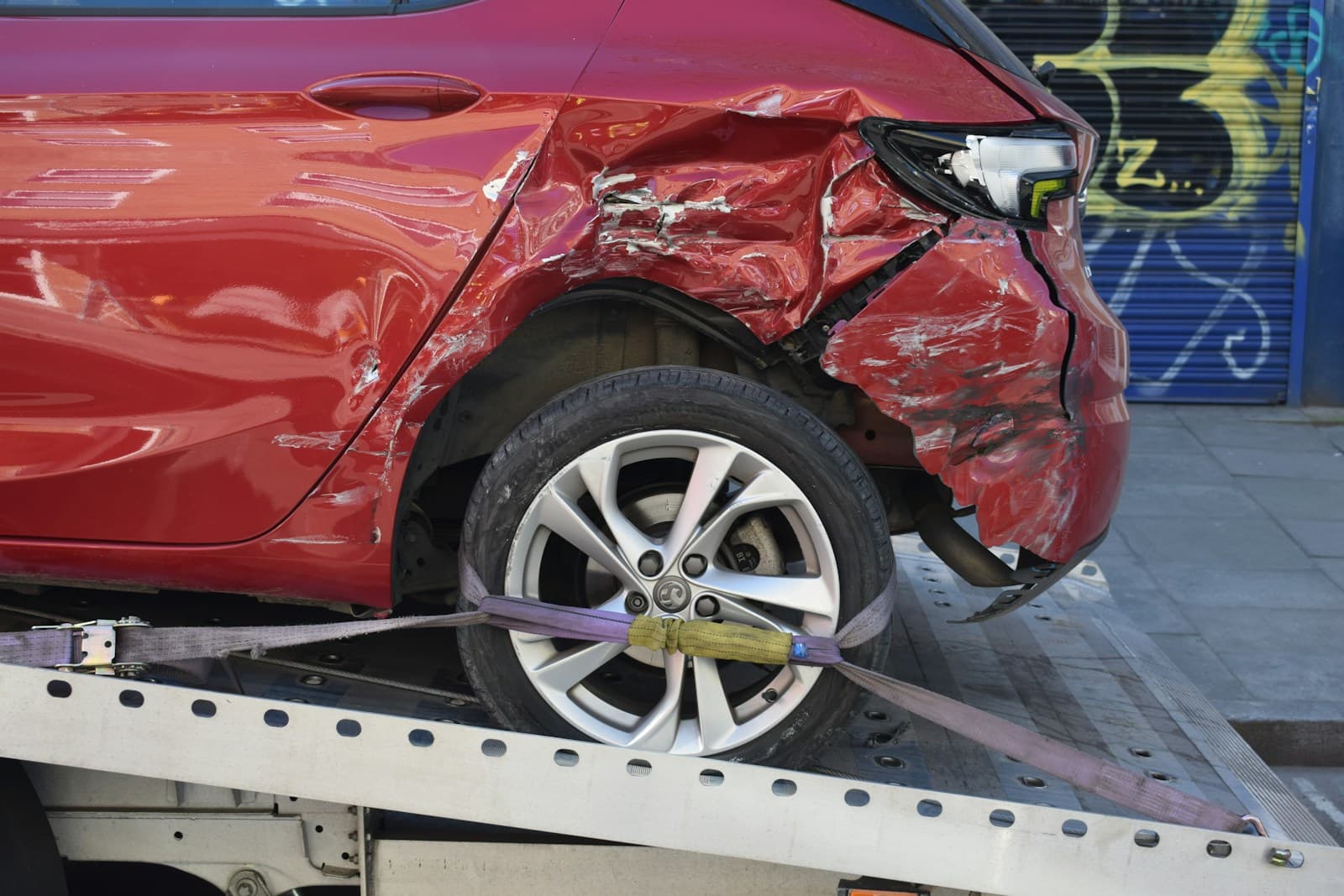
Auto loan and lease contracts require full coverage — liability plus comprehensive and collision — until the loan is satisfied or the lease ends. This protects the lender's collateral. If the vehicle is totaled or stolen, the lender gets paid from the comp/collision claim. Without it, you still owe the loan balance on a vehicle you can't drive.
After a DUI, many drivers try to reduce their premium by dropping comp and collision and filing SR-22 on liability-only coverage. The lender receives notice of the policy change within 30 days and will force-place comprehensive and collision at their own rates, which are non-negotiable and significantly higher than voluntary market rates. The force-placed premium is added to your monthly loan payment, and you cannot remove it until you provide proof of lender-compliant voluntary coverage.
What Happens If You Let SR-22 Coverage Lapse While Financing
Louisiana requires continuous SR-22 filing for three years after a DUI, measured from your license reinstatement date. If your SR-22 policy lapses for any reason — non-payment, cancellation, switching carriers without overlap — your insurer notifies the DMV within 24 hours and the DMV suspends your license immediately.
Your lender also receives notice of the lapse. The financing contract defines a lapse in required insurance as an event of default. The lender will force-place a collateral protection policy, which covers only the lender's interest in the vehicle, not your liability or your legal SR-22 requirement. You're now driving on a suspended license with no liability coverage and paying for insurance that doesn't cover you.
To fix it: You must purchase a new SR-22 policy that meets both Louisiana DMV requirements and lender contract terms, then request the carrier file a new SR-22 with the DMV. Louisiana restarts your three-year filing period from the date you reinstate after the lapse, not from the original conviction. A single-day lapse can add months or years to your total SR-22 obligation and reset your license suspension.
How Non-Standard Carriers Price SR-22 + Full Coverage for Financed Vehicles
Most mainstream carriers — State Farm, Geico, Allstate, Progressive — will file SR-22 for existing customers after a Louisiana DUI but typically non-renew the policy at the end of the current term. New SR-22 policies after a DUI generally require the non-standard market: Bristol West, Direct Auto, Dairyland, GAINSCO, The General, Acceptance.
Non-standard carriers price SR-22 policies higher than standard market, but the real cost driver is the combination of SR-22 filing plus the lender-required 100/300/100 liability limits and full coverage. A liability-only SR-22 policy at Louisiana minimums might cost $120-$180/month in the non-standard market. The same policy with 100/300/100 liability, $500 deductible comprehensive, and $1,000 deductible collision runs $220-$350/month for a first-offense DUI, depending on age, vehicle value, and parish.
Some non-standard carriers will not write comprehensive and collision coverage on older vehicles or on drivers with multiple violations. If your vehicle is financed and the carrier won't write full coverage, you cannot satisfy both the lender requirement and the SR-22 requirement with that carrier. You'll need to shop multiple non-standard carriers or consider paying off the loan to drop the lender's coverage requirements.
Can You Refinance or Trade the Vehicle to Drop Full Coverage Requirements?
Refinancing your auto loan to a new lender does not change the insurance requirements. Every auto lender in Louisiana requires full coverage on financed vehicles regardless of your driving record. Refinancing resets the loan term and extends the period you're required to carry comprehensive and collision.
Trading the financed vehicle for a cheaper vehicle you can buy outright eliminates the lender's insurance requirements. You can then file SR-22 on a liability-only policy at Louisiana minimums (15/30/25) or purchase a non-owner SR-22 policy if you're not driving regularly. Non-owner SR-22 policies cost $25-$50/month and satisfy Louisiana's three-year filing requirement without covering a specific vehicle.
Paying off the loan entirely removes the lender's coverage requirements immediately. Once the lien is released, you can reduce your policy to liability-only SR-22 coverage and cut your premium by 40-60%. The SR-22 filing obligation continues for the full three-year period regardless of what coverage you carry, as long as the policy meets Louisiana's minimum liability limits.
What to Do If Your Lender Sends a Force-Placed Insurance Notice
Lender notices typically give you 10-30 days to provide proof of insurance that meets contract requirements before they force-place coverage. The notice will specify the required liability limits, comprehensive and collision requirements, and the deadline to comply.
Contact a non-standard carrier or independent agent who writes SR-22 policies in Louisiana immediately. Provide the lender's required coverage limits and your vehicle information. Request the carrier file your SR-22 with the Louisiana DMV and send proof of coverage directly to your lender. Most carriers can complete this within 1-3 business days if you pay the first month's premium upfront.
If the lender has already force-placed coverage, you can still remove it by providing proof of voluntary coverage that meets their requirements. The lender will cancel the force-placed policy and remove the charge from your loan balance, but they will not refund premiums already billed. The faster you secure voluntary SR-22 coverage, the less you'll pay in force-placed premiums.